


 (2).gif)
News:
Spotlight Content
Posted: February 27, 2013
Fischer Real Estate sells 398,107 s/f Farrel Corporation complex
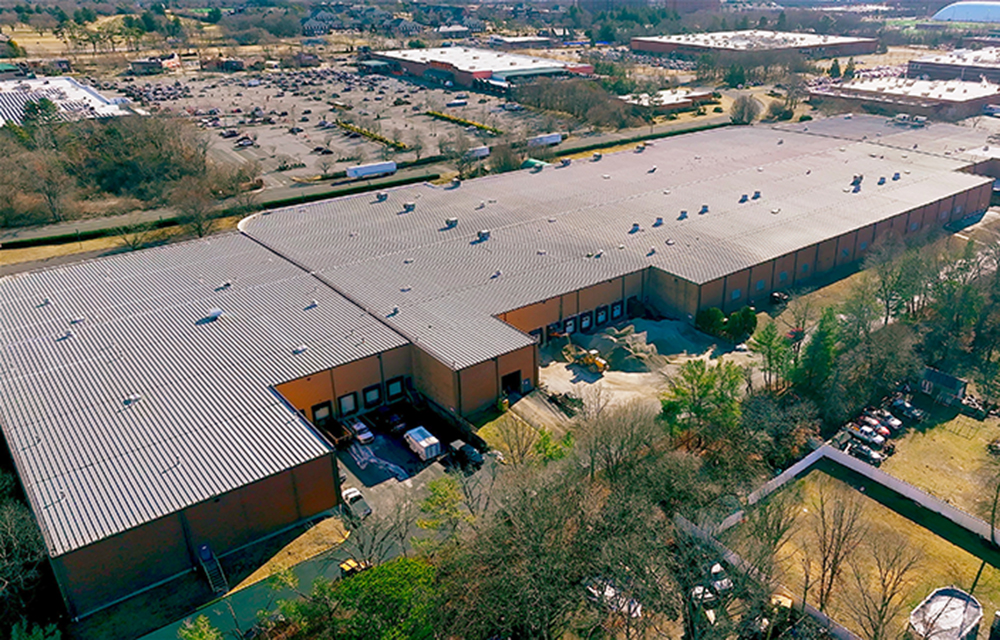
In one of the largest square footage sales to occur in the Valley in recent memory, Washington Management, LLC has purchased two industrial complexes totaling 398,107 s/f. The East of Main complex of buildings totals 227,000 s/f of multi-story mill buildings and office buildings on 2.16 acres plus an undeveloped 1-acre parcel of land currently used as a parking lot. Directly across the street is the West of Main complex of buildings totaling 171,107 s/f of high-bay warehouse and manufacturing space on 6.16 acres. Substantially all of the space is leased by Farrel Corp., which has been operating its business in these locations in one form or another for over 150 years.
The seller was Ansonia Real Estate Holdings, LLC, an investment group made up of former executives of and investors in Farrel Corp. Alan Fischer, CCIM, SIOR, of Orange-based Fischer Real Estate represented the seller. Vance Taylor, of Torrington-based Commercial Real Estate Group, represented the buyer.
"Although this property had received constant inquiries since it first became available, the untimely downturn in the economy for so long kept many would-be purchasers on the sidelines," said Fischer. "Hopefully this sale is a harbinger of things to come."
According to Taylor, "Washington Management is an experienced property owner that saw this acquisition as a wonderful opportunity. They are investigating various options for renovation and re-positioning the properties."
Tags:
Spotlight Content
MORE FROM Spotlight Content

NYREJ's 2026 Developing Long Island Spotlight is here!
This spotlight showcases projects completed and currently under construction across Long Island as well as highlights improvements made to the region through Industrial and Economic Development Agencies and BIDs.

.png)



Columns and Thought Leadership

From vacancy to vitality: How adaptive reuse is reshaping Long Island’s CRE landscape - by Andrea Tsoukalas Curto
Adaptive reuse has become one of the most important conversations in commercial real estate today. Long Island has a large inventory of aging retail, office and industrial

Properly serving a lien law Section 59 Demand - by Bret McCabe
Many attorneys operating within the construction space are familiar with the provisions of New York Lien Law, which allow for the discharge of a Mechanic’s Lien in the event the lienor does not commence an action to enforce following the service of a “Section 59 Demand”.

2026 Developing Queens: Long Island Board of Realtors advances commercial growth and advocacy in Queens
The Long Island Board of Realtors (LIBOR) Commercial Network continues to play a key role in advancing opportunities and strengthening the commercial real estate landscape across Queens. Through targeted programming and global outreach

CRE Guide Featured Company: Merritt Environmental Consulting Corp.
Merritt Environmental Consulting Corp. (MECC) was established in June of 2009 after being part of a larger engineering firm for almost 20 years. The focus of the company is to assist lending institutions, attorneys, real estate investors, and property owners with environmental concerns. Today, MECC has offices in New York, Florida, and Vermont and has grown into a regional consulting firm serving clients along the East Coast.