



News:
Brokerage
Posted: May 13, 2016
Dubin joins Douglas Ellliman's Alexander Team
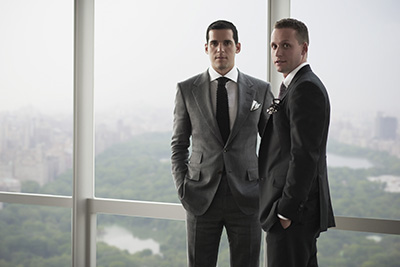 New York, NY According to Douglas Elliman Real Estate, David Dubin has joined the firm as the newest addition to The Alexander Team, a top-producing team headed by industry leaders Oren and Tal Alexander. Dubin, an accomplished and respected broker with more than 30 years of combined experience in business ownership, design and residential real estate, joins Elliman from the Corcoran Group, where he was a partner on The Deborah Grubman Team.
The Alexander Team specializes in all facets of real estate, from luxury resale to ground-up new developments and conversions, with notable projects including Faena House and Eighty Seven Park in Miami Beach. The Alexander Team is widely recognized for their unprecedented sales achievements in Manhattan, the Hamptons and South Florida where they have done record breaking deals including the most expensive sale in Miami’s history for $47 million, which was broken this past year by them with a $60 million sale. Dubin will be based out of the firm’s 485 Madison Avenue office focusing on the Manhattan market with both luxury resales and the current and upcoming new development projects the The Alexander’s are handling.
“David is extremely knowledgeable and experienced in the market share that our team covers – as he has worked on some of the most prestigious deals in New York City,” said The Alexander Brothers. “We couldn’t ask for a better addition to our team. David is completely aligned with our brand and our style of service. Like us, he is fiercely passionate about his work for clients, making him a great fit for our team.”
Dubin handles a vast range of property transactions, including cooperatives, condominiums, townhouses and new development. As partner on The Deborah Grubman Team at Corcoran, Dubin was a consistent member of the "Multi-Million Dollar Winners Circle" and ranked in the top 1.7% of the 59,000 NRT real estate professionals nationwide. One of the highlights of his tenure with the team was their representing the buyer for the sale of Manhattan’s most expensive cooperative in 2012, the Penthouse at 785 Fifth Ave.
Prior to his real estate career, Dubin owned his own jewelry design business, David Dubin Ltd., selling to retailers worldwide. Some of his vendors included, Saks Fifth Ave., Neiman Marcus, and Bloomingdales. As an avid runner, has successfully completed several NYC marathons.
New York, NY According to Douglas Elliman Real Estate, David Dubin has joined the firm as the newest addition to The Alexander Team, a top-producing team headed by industry leaders Oren and Tal Alexander. Dubin, an accomplished and respected broker with more than 30 years of combined experience in business ownership, design and residential real estate, joins Elliman from the Corcoran Group, where he was a partner on The Deborah Grubman Team.
The Alexander Team specializes in all facets of real estate, from luxury resale to ground-up new developments and conversions, with notable projects including Faena House and Eighty Seven Park in Miami Beach. The Alexander Team is widely recognized for their unprecedented sales achievements in Manhattan, the Hamptons and South Florida where they have done record breaking deals including the most expensive sale in Miami’s history for $47 million, which was broken this past year by them with a $60 million sale. Dubin will be based out of the firm’s 485 Madison Avenue office focusing on the Manhattan market with both luxury resales and the current and upcoming new development projects the The Alexander’s are handling.
“David is extremely knowledgeable and experienced in the market share that our team covers – as he has worked on some of the most prestigious deals in New York City,” said The Alexander Brothers. “We couldn’t ask for a better addition to our team. David is completely aligned with our brand and our style of service. Like us, he is fiercely passionate about his work for clients, making him a great fit for our team.”
Dubin handles a vast range of property transactions, including cooperatives, condominiums, townhouses and new development. As partner on The Deborah Grubman Team at Corcoran, Dubin was a consistent member of the "Multi-Million Dollar Winners Circle" and ranked in the top 1.7% of the 59,000 NRT real estate professionals nationwide. One of the highlights of his tenure with the team was their representing the buyer for the sale of Manhattan’s most expensive cooperative in 2012, the Penthouse at 785 Fifth Ave.
Prior to his real estate career, Dubin owned his own jewelry design business, David Dubin Ltd., selling to retailers worldwide. Some of his vendors included, Saks Fifth Ave., Neiman Marcus, and Bloomingdales. As an avid runner, has successfully completed several NYC marathons.
Tags:
Brokerage
MORE FROM Brokerage
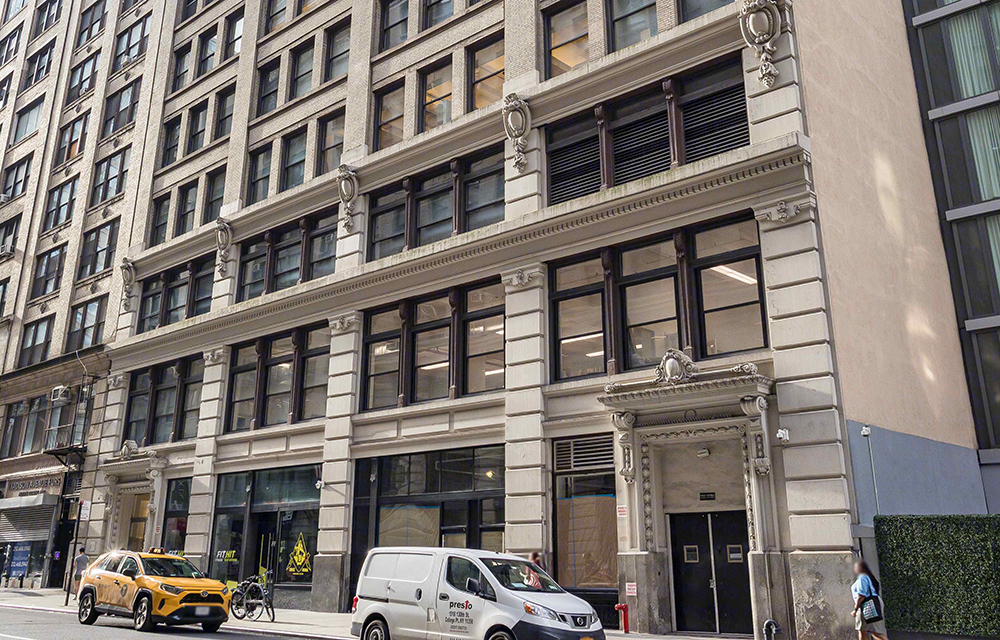
Koeppel Rosen inks 16-year 33,783 s/f lease for coworking firm Nomadworks at 122 West 27th St.
Manhattan, NY According to Koeppel Rosen LLC, leasing and management agent for the Rosen family portfolio, Nomadworks has signed a new 16-year, two-month lease totaling 33,783 s/f at 122 West




Quick Hits
 (2).gif)

Columns and Thought Leadership

Hunt CRE question and answer: Choosing a real estate agent - by David Hunt
First, we will only work with one agent exclusively. The primary reason is that we want that agent to legally represent our client’s interests. In New York State, a real estate agent has a fiduciary

New York’s streets are full again, and the retail numbers prove it - by Noam Aziz
Walk down any New York block this year and you can feel it. The sidewalks are crowded, the storefronts are lit, and the energy that defines this city is back at full volume.

Hunt commercial real estate question and answer: Fortune 500 wisdom - by David Hunt
Yes, there are lessons to be learned from the largest companies in America when comes to managing your real estate. But the decision to buy or lease real estate may not be one of

The art of investing in real estate - by Thomas Donovan
Real estate investing is as much an art as it is a skill. No one can time the market, or the factors that drive it, perfectly. Location, zoning, size, transportation, and neighborhood density give you a baseline for
.gif)