



News:
Spotlight Content
Posted: March 25, 2025
Developing Long Island: Community Development Long Island
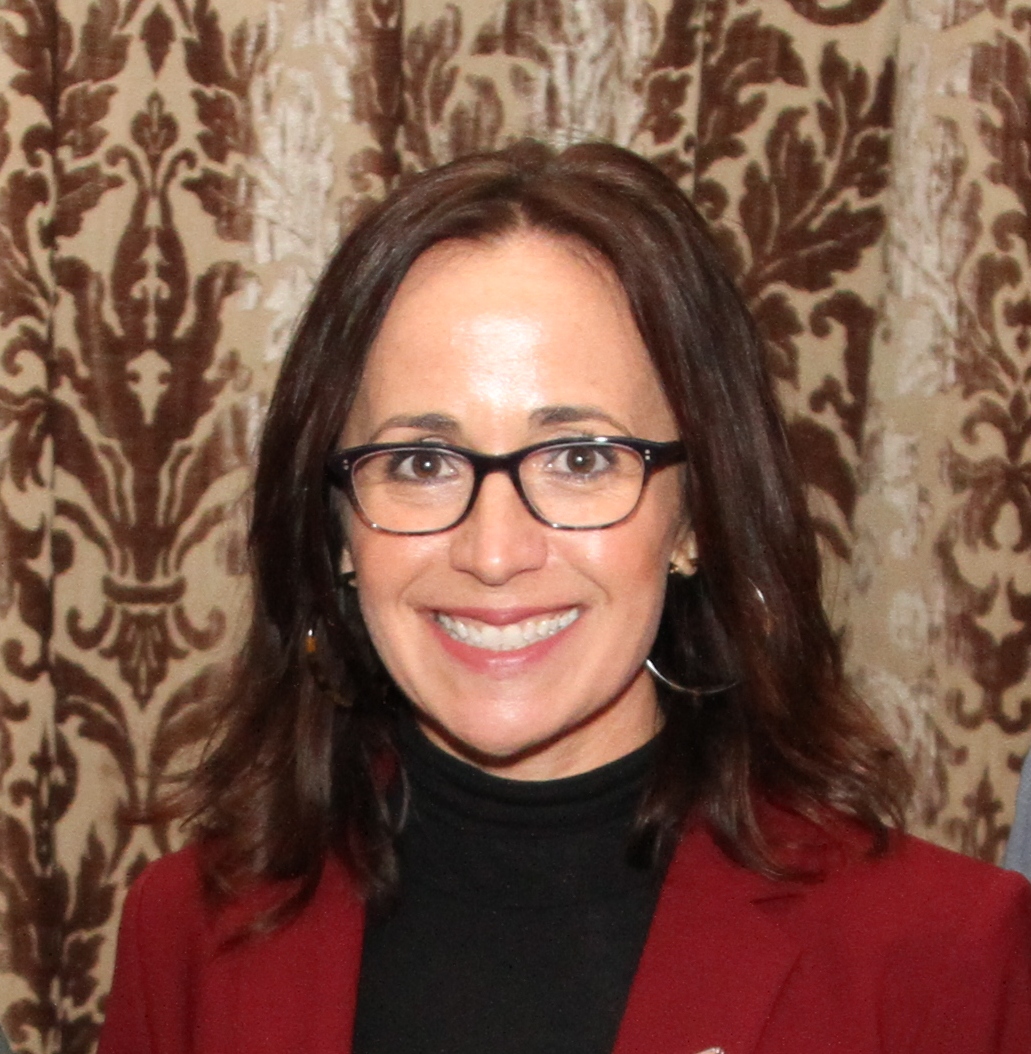
Melville, NY As housing affordability and availability continue to challenge the Long Island housing market, communities are in search of solutions. Community Development Long Island (CDLI) has been working to address this problem through Accessory Dwelling Units (ADUs). Depending on the property size and location, ADUs can take a variety of forms but are most often stand-alone units, basement apartments, or garage conversions on existing and developed single-family lots. These units create small, independent living spaces which are a practical solution for increasing housing opportunities without altering the character of established neighborhoods. They also provide valuable rental opportunities for homeowners, which can help offset the high cost of living in our region.
New York State Homes and Community Renewal selected CDLI to administer their Plus One ADU Program in the Towns of Babylon, Southampton, East Hampton, and Shelter Island. This program provides financial assistance of up to $125,000 to income qualifying households who wish to construct a new ADU or bring an existing one up to code. The Southampton Community Housing Fund also introduced its own ADU program in 2024, administered through CDLI’s Community Development Financial Institution(CDFI) which provides zero interest loans to homeowners to create an ADU and rent it to a tenant who works within the Town of Southampton. Through these programs, CDLI had 80 ADU projects approved in 2024 with 10 currently under construction. As projects in this pipeline continue to be constructed, municipalities will continue to see the economic and social benefits of increasing their local, affordable housing stock.
CDLI is committed to providing solutions that foster and maintain vibrant, equitable and sustainable communities. “We look forward to continuing our ADU work among the variety of other housing-related programs we offer,” said founder and CEO Gwen O’Shea. For more information on how we can help with ADUs, homeownership or renting please visit our website at www.cdli.org or call (631) 471-1215.
Tags:
Spotlight Content
MORE FROM Spotlight Content

The commercial classroom: 1031 tax-deferred exchanges - by Edwad Smith Jr.
The sale of real estate may trigger capital gains taxes on the net profits of that sale. These taxes may be deferred by participating in a 1031 tax exchange, in essence, by purchasing property(s) to replace the




.png)

Quick Hits


Columns and Thought Leadership

CRE Guide Featured Company: Merritt Environmental Consulting Corp.
Merritt Environmental Consulting Corp. (MECC) was established in June of 2009 after being part of a larger engineering firm for almost 20 years. The focus of the company is to assist lending institutions, attorneys, real estate investors, and property owners with environmental concerns. Today, MECC has offices in New York, Florida, and Vermont and has grown into a regional consulting firm serving clients along the East Coast.

From vacancy to vitality: How adaptive reuse is reshaping Long Island’s CRE landscape - by Andrea Tsoukalas Curto
Adaptive reuse has become one of the most important conversations in commercial real estate today. Long Island has a large inventory of aging retail, office and industrial

2026 Developing Long Island: ERG Commercial Real Estate launches its new Retail Leasing division
North Hempstead, NY ERG Retail Leasing is the dedicated leasing division of ERG Commercial Real Estate, an established full-service commercial real estate brokerage for over 35 years.

2026 Developing Queens: Long Island Board of Realtors advances commercial growth and advocacy in Queens
The Long Island Board of Realtors (LIBOR) Commercial Network continues to play a key role in advancing opportunities and strengthening the commercial real estate landscape across Queens. Through targeted programming and global outreach