



News:
Brokerage
Posted: June 23, 2008
Dearden named pres. of Yonkers Downtown BID
Ken Dearden, formerly vice president of the Yonkers Downtown/Waterfront Business Improvement District and a board member since 2004, was recently elected the new president, succeeding John Kolenda.
In addition, the Yonkers Downtown BID has a new slate of directors that was unanimously approved to serve a two-year term. They are (class A property owners): Roger Ayuso, Barbara Carmichael, Ken Dearden, Peter Klein, Robert Leggio, James Pinto and Nick Sprayregen. Elected as class B (commercial tenants) are Jacqueline Bouet and Silvia Metrena, Esq.
Dearden is the founder and principal of DW Capital Associates LLC, a Yonkers-based developer of mixed use properties. Two of his company's notable projects are located in the downtown area—Metro 92, a 40-unit loft-style rental and retail building located at 92 Main St. and 66 Main, a170-unit rental apartment and retail building.
A former real estate investment banker at JP Morgan Chase & Company, Dearden has experience in real estate mergers and acquisitions, including evaluation of real estate portfolios and capital structures, debt underwriting, and structuring of joint venture partnerships. Prior to his career in investment banking, he was a mechanical engineer with Bruce Brooks and Associates in Philadelphia.
Dearden earned an M.B.A. degree from Rotterdam School of Management in the Netherlands and a B.S. degree in Mechanical Engineering from Cornell University. He also served in the U.S. Air Force for four years.
In addition to his duties at the Yonkers Downtown BID, Dearden serves a member of the board of Yonkers-based Beczak Environmental Education Center.
Steve Sansone, executive director stated "Ken's energy and enthusiasm continue to be an incredible asset to the BID and Yonkers Downtown. This new board at the BID represents all that is great about volunteerism in Yonkers and how effective we can be in representing the interest of our members."
Tags:
Brokerage
MORE FROM Brokerage
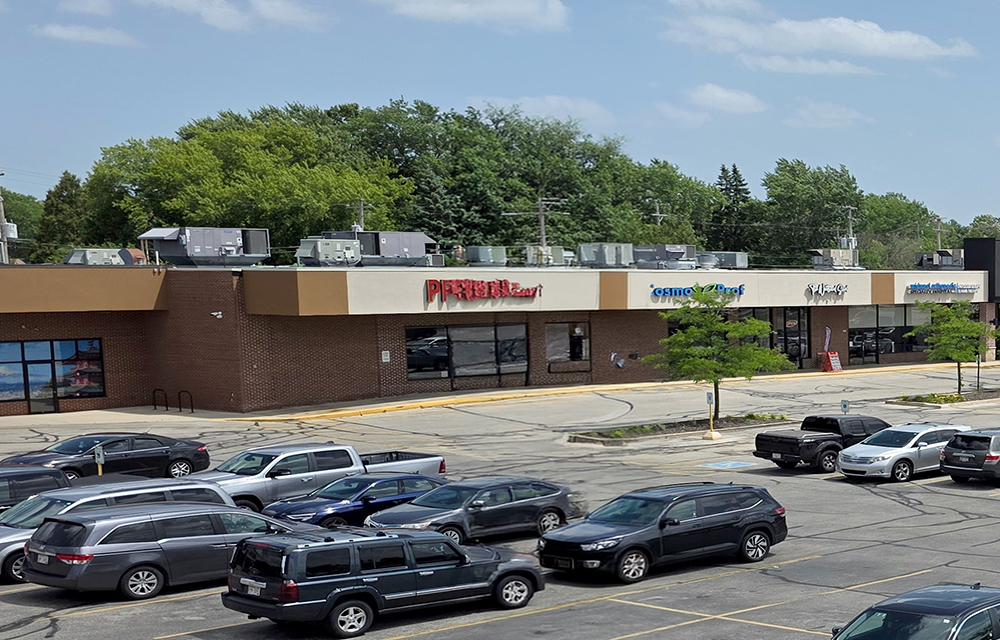
United Properties Corp. expands Wisconsin and Illinois retail presence adding 200,000 s/f
West Allis, WI United Properties Corp. completed two retail acquisitions totaling $27.4 million across Illinois and Wisconsin, adding 205,000 s/f of shopping center space to its portfolio




Quick Hits
 (2).gif)

Columns and Thought Leadership

Hunt commercial real estate question and answer: Fortune 500 wisdom - by David Hunt
Yes, there are lessons to be learned from the largest companies in America when comes to managing your real estate. But the decision to buy or lease real estate may not be one of

New York’s streets are full again, and the retail numbers prove it - by Noam Aziz
Walk down any New York block this year and you can feel it. The sidewalks are crowded, the storefronts are lit, and the energy that defines this city is back at full volume.

Positive forecast for New York’s pro-housing push? - by Philip Butler
New York’s housing crisis remains a hot button topic despite growing consensus that varied and affordable housing is desperately needed statewide. Governor Hochul has recently introduced several initiatives to overcome N.Y.’s anti-housing

A guide to finding the right NYC property management company - by Sanjay Gandhi
Being a small to midsize landlord in NYC is an increasingly demanding endeavor. From navigating complex regulations, increased compliance demands to dealing with tenant issues and remediating violations. It is wise to enlist the assistance of a partner, a professional
.gif)