



News:
Brokerage
Posted: April 9, 2026
Cushman & Wakefield brokers 16,515 s/f industrial lease for ASAK Solutions near JFK International Airport
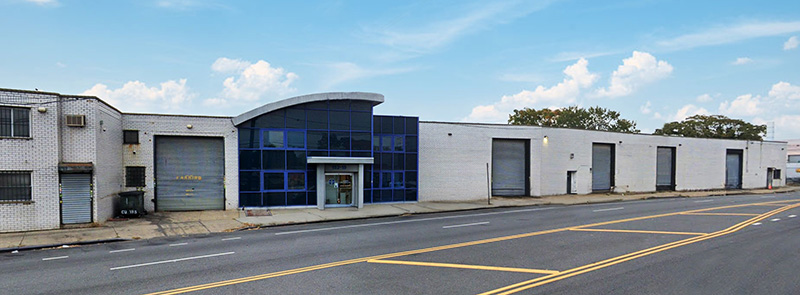
Queens, NY ASAK Solutions LLC, ASAK, a veteran-owned ground-handling company, signed a 16,515 s/f industrial lease to occupy the ground floor at 152-15 Rockaway Blvd. in Jamaica. The location will serve as a satellite facility in support of their ramp and cargo handling business at JFK Airport.
Cushman & Wakefield’s director Joseph Hentze Jr. represented ASAK. The landlord, Longpoint Partners, was represented by Joseph Lagano and Reid Berch of Avison Young.
“Quality industrial space with strong loading and immediate highway access continues to be highly sought after for tenants that need to be close to JFK,” said Hentze Jr. “This location offers ASAK the ability to efficiently service airport-related and regional distribution needs while benefiting from excellent visibility and infrastructure. We were pleased to help them secure a facility that supports both their operational requirements and long-term growth.”
152-15 Rockaway Blvd. features eight drive-in loading doors and frontage along Rockaway Blvd. The asset also provides direct access to the Belt Pkwy., Nassau Expwy., North Boundary Rd. and the Van Wyck Expwy., as well as public transportation options.
Founded in 2017, ASAK provides cargo handling, ground handling, mail handling, passenger services, and ancillary support to major carriers out of JFK International Airport. With a highly trained ramp team and commitment to safety and service excellence, ASAK has established itself as a trusted partner to the aviation community in New York.
This facility will expand ASAK’s capabilities in the ground service equipment (GSE) sector and will further support the future of ground handling operations at JFK Airport. Additionally, the store front will serve as an essential role in ASAK’s entrance into the international logistics arena focusing on shipping to the Caribbean and South America via Air Carg
MORE FROM Brokerage

Adirondack Capital Partners arranges $45 million sale of West Chelsea development site to Toll Brothers
Manhattan, NY Adirondack Capital Partners (ACP) closed the $45 million sale of 126/128 Tenth Ave. and 456 W. 18th St. to Toll Brothers City Living. The acquisition forms part of a broader





Quick Hits
 (2).gif)

Columns and Thought Leadership

A guide to finding the right NYC property management company - by Sanjay Gandhi
Being a small to midsize landlord in NYC is an increasingly demanding endeavor. From navigating complex regulations, increased compliance demands to dealing with tenant issues and remediating violations. It is wise to enlist the assistance of a partner, a professional

Hunt commercial real estate question and answer: Fortune 500 wisdom - by David Hunt
Yes, there are lessons to be learned from the largest companies in America when comes to managing your real estate. But the decision to buy or lease real estate may not be one of

New York’s streets are full again, and the retail numbers prove it - by Noam Aziz
Walk down any New York block this year and you can feel it. The sidewalks are crowded, the storefronts are lit, and the energy that defines this city is back at full volume.

Positive forecast for New York’s pro-housing push? - by Philip Butler
New York’s housing crisis remains a hot button topic despite growing consensus that varied and affordable housing is desperately needed statewide. Governor Hochul has recently introduced several initiatives to overcome N.Y.’s anti-housing
.gif)