



News:
Brokerage
Posted: November 7, 2008
CREW Network elects 2009 officers and board of directors
The 2009 Commercial Real Estate Women (CREW) board of directors was unveiled recently at the annual convention.
Jane Smith, partner with the international law firm Fulbright & Jaworski LLP, was elected 2009 CREW Network president. Kristin Blount, senior vice president/partner at Colliers Meredith & Grew was elected president-elect.Lynny Osenbaugh, president of Osenbaugh & Associates was elected immediate past president.
The following were elected as new directors: Diane Butler, senior VP and general manager, at LandAmerica Valuation Corp.; Tonya Creekmore, VP of Peripheral Land Development, Southeast, General Growth Properties.; and Holly Nelson, principal of TriSail Capital Corp.
Returning board members are Joan Cleland, Terri Johnson, Jenny Marler, Kristen Broadway Pleasants. Also serving on the 2008 board is Gail Ayers, PhD, CEO of CREW Network.
Tags:
Brokerage
MORE FROM Brokerage
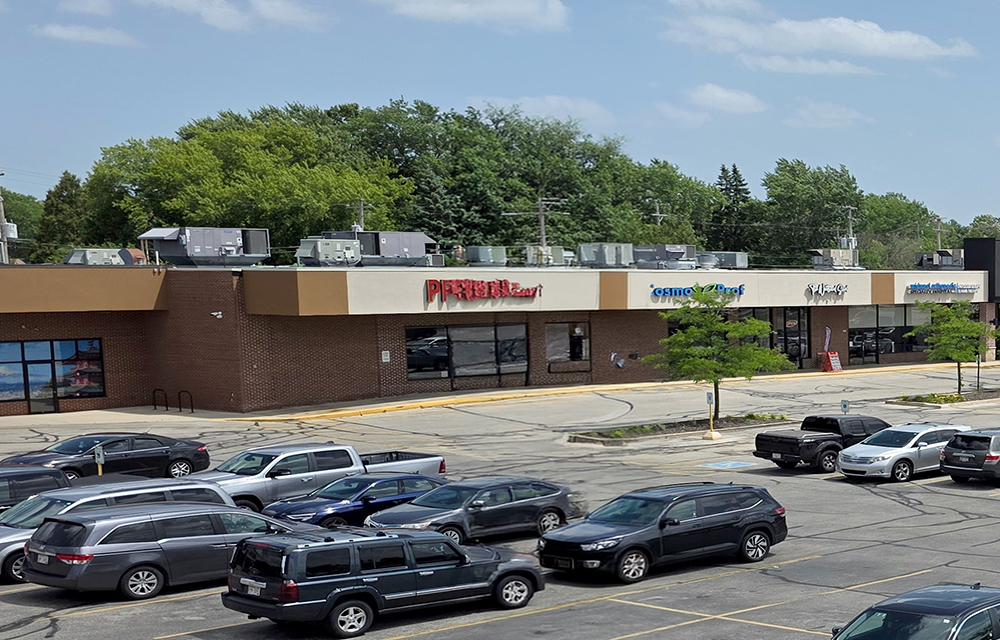
United Properties Corp. expands Wisconsin and Illinois retail presence adding 200,000 s/f
West Allis, WI United Properties Corp. completed two retail acquisitions totaling $27.4 million across Illinois and Wisconsin, adding 205,000 s/f of shopping center space to its portfolio






Quick Hits

Columns and Thought Leadership

Hunt commercial real estate question and answer: Fortune 500 wisdom - by David Hunt
Yes, there are lessons to be learned from the largest companies in America when comes to managing your real estate. But the decision to buy or lease real estate may not be one of

Positive forecast for New York’s pro-housing push? - by Philip Butler
New York’s housing crisis remains a hot button topic despite growing consensus that varied and affordable housing is desperately needed statewide. Governor Hochul has recently introduced several initiatives to overcome N.Y.’s anti-housing

New York’s streets are full again, and the retail numbers prove it - by Noam Aziz
Walk down any New York block this year and you can feel it. The sidewalks are crowded, the storefronts are lit, and the energy that defines this city is back at full volume.

A guide to finding the right NYC property management company - by Sanjay Gandhi
Being a small to midsize landlord in NYC is an increasingly demanding endeavor. From navigating complex regulations, increased compliance demands to dealing with tenant issues and remediating violations. It is wise to enlist the assistance of a partner, a professional
.gif)