



News:
Brokerage
Posted: July 2, 2020
The Counselors of Real Estate releases its top ten issues affecting the industry: COVID-19 and economic renewal lead 2020-2021 list

Chicago IL The Counselors of Real Estate has identified the current and emerging issues expected to have the most significant impact on real estate, with the COVID-19 pandemic being the leading concern of the 1,000- member organization.
“The change wrought by the COVID-19 crisis and its aftermath will teach us about priorities, resilience, and demand in ways that we did not dare test before,” said Michel Couillard, CRE, 2020 global chair of The Counselors of Real Estate. “The 2020-21 Top Ten Issues are highly interrelated and are an attempt to overlay this new world onto an already changing real estate environment.
“In examining real estate markets, we must consider existing fragility, adaptability to new demands, and potential relevance to new markets,” said Couillard. “Demand will be defined by the extent to which this crisis leads us to abandon old habits and adopt new ones. The duration of the lockdown has been a factor, and so is the confidence with which we emerge.”
Economic renewal ranked second on The Counselors’ list, with the U.S. economy showing signs of decline prior to the COVID-19 pandemic. “There were a number of statistical signals of deceleration for those willing to see them,” said Couillard. “The challenges facing the economy and the real estate industry are deep and persistent, with leisure and hospitality, retail, construction, and air travel seeing slow and partial rebounds into 2022.“ The Counselors cite that the impact of the economic lockdown on state and local tax revenues could reduce non-federal government employment levels and shelve important infrastructure projects, with such risks suggesting an unusual “W-shaped” recession.
“The post-COVID-19 economy will be constrained by long-run potential GDP growth of only 1.5 – 1.6%. That is the ‘new normal’ for which we need to prepare,” added Couillard, who is also president and CEO of BUSAC Real Estate in Montreal.
Capital market risk rounded out the top three issues of concern for The Counselors, as the last four months have presented not only real time volatility of the capital markets, but also confirmed how quickly debt and equity capital liquidity can stop flowing when risk and returns are difficult to measure.
“One thing we have seen since March is that volatility has spiked which makes pricing debt more challenging,” said Couillard. “Federal intervention helped to limit a complete seizing of the markets, but doesn’t necessarily mitigate the longer-term concern about defaults and loses. While pricing stability and liquidity appear to have somewhat returned, late payments and loan defaults have seen a significant increase.”
The remaining issues identified by The Counselors of Real Estate are Public and Private Indebtedness, Affordable Housing, Flow of People, Space Utilization, Technology and Workflow, Infrastructure, and ESG (Environmental, Social, and Governance), respectively.
“Clients of Counselors seek unbiased, objective advice on the critical factors that will impact all property sectors today, as well as those issues that may affect their decisions over the next ten years. This thought leadership initiative is an invaluable service to those clients and to the real estate industry in general.”
The Top Ten Issues Affecting Real Estate is developed by The Counselors of Real Estate’s External Affairs Committee, with issues identified, debated, and voted on by the general membership. For additional information and perspective on each issue, visit https://www.cre.org/topten.
Tags:
Brokerage
MORE FROM Brokerage
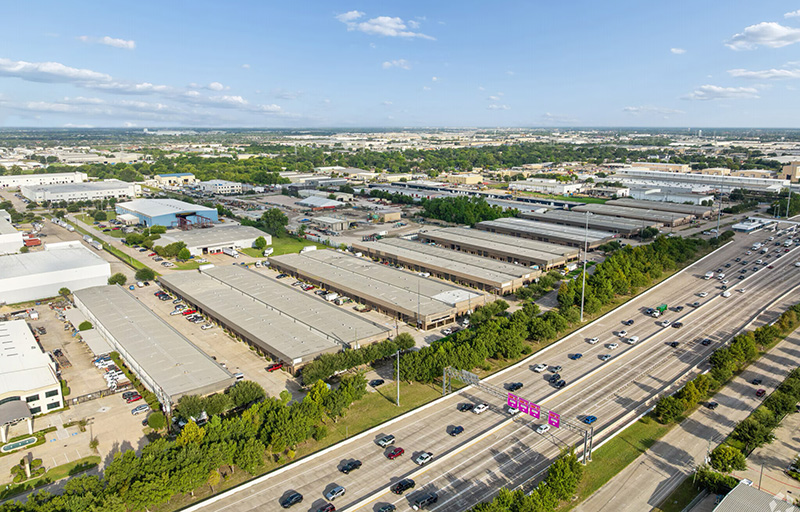
Simi Capital enters Texas with acquisition of 359,000 s/f small-bay industrial portfolio in Northwest Houston
Houston, TX Simi Capital acquired a three-property, 359,000 s/f small-bay industrial portfolio. The transaction, completed in a joint venture with Decker Capital, marks Simi




Quick Hits

Columns and Thought Leadership

A guide to finding the right NYC property management company - by Sanjay Gandhi
Being a small to midsize landlord in NYC is an increasingly demanding endeavor. From navigating complex regulations, increased compliance demands to dealing with tenant issues and remediating violations. It is wise to enlist the assistance of a partner, a professional

Hunt commercial real estate question and answer: Fortune 500 wisdom - by David Hunt
Yes, there are lessons to be learned from the largest companies in America when comes to managing your real estate. But the decision to buy or lease real estate may not be one of

Hunt CRE question and answer: Choosing a real estate agent - by David Hunt
First, we will only work with one agent exclusively. The primary reason is that we want that agent to legally represent our client’s interests. In New York State, a real estate agent has a fiduciary

New York’s streets are full again, and the retail numbers prove it - by Noam Aziz
Walk down any New York block this year and you can feel it. The sidewalks are crowded, the storefronts are lit, and the energy that defines this city is back at full volume.
.gif)