


 (2).gif)
News:
Finance
Posted: January 13, 2026
Commercial Classroom: It’s a People Business - by Edward Smith Jr.
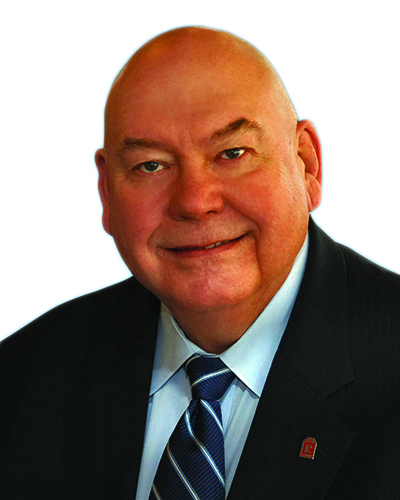
Being in the real estate business requires us to communicate and negotiate with people. We must be able to relate to people of different ages, personalities and nationalities. When meeting someone new for the first time what is your initial impression of them, and more important what is their first impression of you.
UCLA professor Albert Mehrabian PhD did extensive research on feelings, investigating “instant” liking or disliking someone. The results showed that first impressions take only minutes or even seconds. This initial, instinctual assessment is based on what we see and feel, more than what the other person is saying. His theory attributes 55% to one’s appearance, 38% to the way one speaks (tone) and only 7% to what is being said.
Appearance (55%), in these days of zoom meetings most agents attend in casual clothes, which is fine. But when it’s time to meet someone new, business attire is required – look like the professional you are. Dress for success!
I have always told my agents, when you have an appointment, arrive 10-15 minutes early or don’t show up. What impression does being late say about you? Also, when you are waiting for your potential client what are you doing? Don’t be reading a magazine, be working. You want them to see that you are just as busy as they are.
Body language is the science of people. Traditionally it begins with a handshake. It makes people feel comfortable; it promotes honesty and increases cooperative behavior. Following the first impression, this action must be done in a firm, solid manner, as this too is part of the initial assessment of you.
Once we get past the first impression stage everything we do and say becomes equally important in building a relationship with this new person and potential client. Words we use, facts we state, questions asked, timing to do so, our behavior, tone of our voice and emotions displayed all contribute to our communication efforts.
How far away two people stand from each other is considered “personal space”, too close may be considered intimate or intimidating. Which may be distracting from the words being said. The comfort zone (distance apart) in North America is eighteen inches (18”). This distance varies with people from other countries. In the Middle East being within 8” to 12” from you is acceptable, in China 12” to 14” is expected, Europeans will stand 14” to 16” from you. Be aware of these cultural differences.
We also need to be aware of non-verbal communication, body language, because it expresses feelings and meanings. These facial expressions or bodily gestures may be conscious or unconscious. Often it is instinctive, not intentional, which is why it can be so revealing. Remember body language goes both ways. You see other people’s actions and reactions: as they see how you react and act. This is particularly important when we are negotiating to get a listing, representation agreement, or close a deal.
Good eye contact is a key to developing a relationship with someone new. Balance is important, look them in the eye 50-60% of the time, but do not stare at them. Staring makes people uncomfortable and may be interpreted as deceiving or lying. Eye aversion also indicates shame, deceiving, being untruthful or lying.
In Western culture eye contact is a most powerful communication tool. It shows confidence and interest in the conversation taking place. It indicates involvement, attention, suggests truthfulness, builds trust and an emotional connection. However, there are some cultural differences with this too, that you need to be aware of. In Asia and the Middle East eye contact with someone in authority is considered rude; often eye contact is avoided as a sign of respect.
Your entire facial expressions tell a story; the eyes, eyebrows, your mouth and even nose, display the seven universal expressions. It shows if you are happy, surprised, sad, angry, fearful, or feeling contempt or disgusted. A clenched jaw, tightened neck or furrowed brow are signs of stress or discomfort… regardless of what words are being said. Watch for words and body language that does not match.
Smiles can be real or fake. Fake smiles can be used for image or to be misleading. A real smile includes the crinkle in the corner of the eye known as “crow’s feet” and the lips pulled back at the corners with teeth showing.
One’s posture also “speaks” volumes. Standing or sitting up straight makes you look bigger, more confident, in-charge. Slouching makes you look smaller, less than confident, shy or insecure.
Standing “at attention” legs together, arms at sides is a neutral position. Standing with legs apart, hands behind the back are a dominant signal meaning the person has no intention of moving. Hands on one’s hips with legs apart signals confidence, power, ready, about to act assertively or in an aggressive or competitive way. Standing or sitting with a foot forward point to where the mind wants to go. If the person is not interested and wants to leave their foot will be pointing at the exit.
When someone is uncomfortable, unsure, nervous, mistrusting or reluctant they will hide their hands in their pockets. However, hands in the pockets with the thumbs out show confidence, feeling superior.
Crossing one’s arms or legs connotes a physical barrier, the person is not open to what you are saying. Psychologically when the arms or legs are crossed the person is mentally or emotionally blocked off from what is in front of them. Remember this is instinctive, not intentional, which is why it is so revealing. Crossing arms over the chest is a gesture of defensiveness, nervousness or negativity. It is a reaction to something someone said that they did not like or finding oneself in an undesirable situation. Avoid taking this posture yourself!
Sitting with your legs crossed (one leg resting on the other knee) is common in North America and some European countries, but it is viewed as disrespectful to show the sole of your shoe to another person in Asia and the Middle East. The extreme of this is when the ankle rests at the top of the knee and is locked down by a hand on the crossed leg. This indicates the person is argumentative, has a competitive attitude, feels dominant and superior. It is a sign they are stubborn, tough minded and closed to any opinion other than their own.
Crossing one’s legs may also indicate submissive, defensive, a close minded or just being comfortable. When “reading” body language, things can be interpreted differently, one trait does not necessarily dictate a message. Look for several signs of behavior before making conclusions.
In our business we do a lot of negotiating and the points mentioned in this article can help us evaluate how the person we are talking to is really thinking.
Edward Smith, Jr. is a licensed real estate broker in New York and Connecticut and is a real estate broker with Smith Commercial Real Estate, Sandy Hook, CT.
Tags:
Finance
Long Island
MORE FROM Finance

George Comfort & Sons completes $386 million refinance of 200 Madison Ave.
Manhattan, NY George Comfort & Sons, and its partners Loeb Partners Realty and Jamestown, completed a $386 million refinancing of 200 Madison Ave., its 750,000 s/f Grand Central district office




 (2).gif)

Quick Hits
.jpg)

