



News:
Brokerage
Posted: January 27, 2026
Kinney Leonhardt of Brax Realty brokers $10.2 million development site in Long Island City
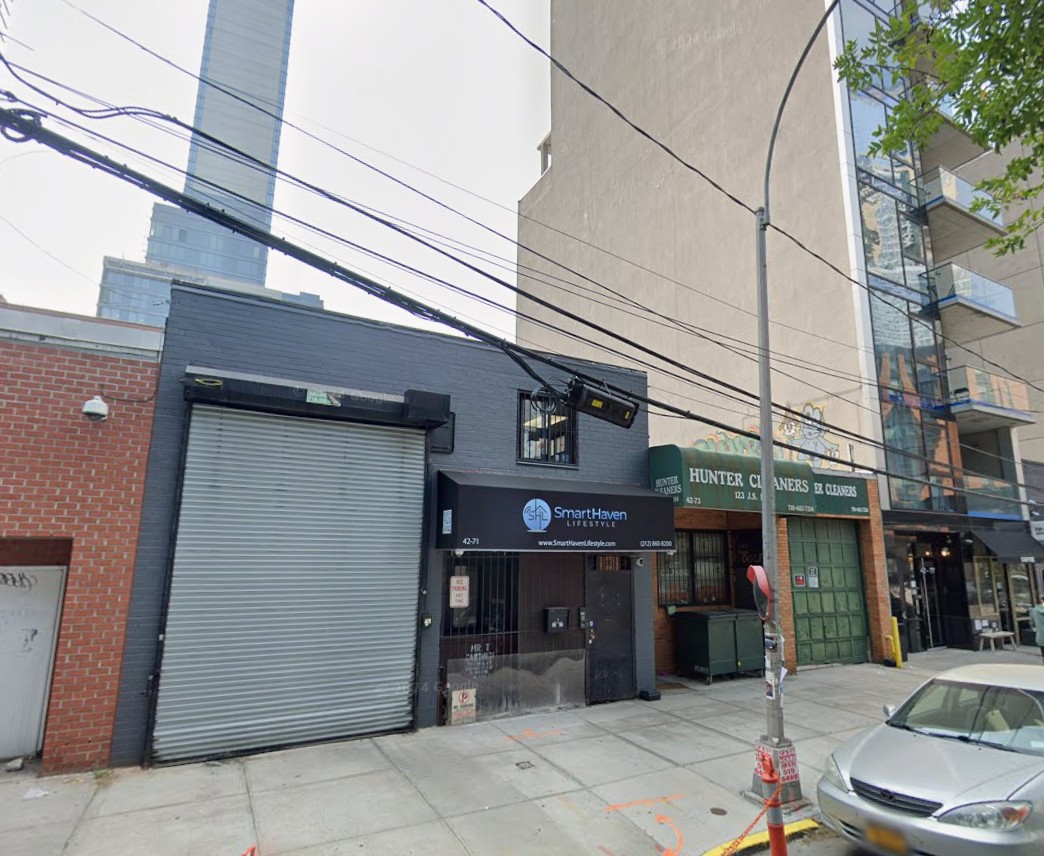
Long Island City, NY Brax Realty has completed the successful sale of a development site located at 42-73 and 42-71 Hunter Street for $10.2 million, equating to approximately $410 per buildable s/f – a record price for the area.
The transaction was brokered by Cole Kinney Leonhardt of Brax Realty, who represented both the buyer and the seller in the sale. This transaction marks Leonhardt’s third development site sale in Long Island City, further underscoring his deep market knowledge and active presence in the submarket.
The site is located on Hunter Street between 42nd Rd. and 43rd Rd., one of Long Island City’s most desirable and rapidly evolving corridors. Zoned M1-5/R7-3, the property allows for the development of approximately 24,885 buildable s/f of residential space. The site benefits from a 50-ft. width.
“This transaction highlights the continued demand for well-located development opportunities in Long Island City,” said Cole Kinney Leonhardt of Brax Realty. “Sites with strong zoning fundamentals, clean footprints, and proximity to transportation and amenities continue to command premium pricing.”
Long Island City remains one of New York City’s most active development markets, supported by strong residential demand, ongoing infrastructure investment, and close proximity to Midtown Manhattan.
Tags:
Brokerage
New York City
MORE FROM Brokerage

Adirondack Capital Partners arranges $45 million sale of West Chelsea development site to Toll Brothers
Manhattan, NY Adirondack Capital Partners (ACP) closed the $45 million sale of 126/128 Tenth Ave. and 456 W. 18th St. to Toll Brothers City Living. The acquisition forms part of a broader






Columns and Thought Leadership

Positive forecast for New York’s pro-housing push? - by Philip Butler
New York’s housing crisis remains a hot button topic despite growing consensus that varied and affordable housing is desperately needed statewide. Governor Hochul has recently introduced several initiatives to overcome N.Y.’s anti-housing

A guide to finding the right NYC property management company - by Sanjay Gandhi
Being a small to midsize landlord in NYC is an increasingly demanding endeavor. From navigating complex regulations, increased compliance demands to dealing with tenant issues and remediating violations. It is wise to enlist the assistance of a partner, a professional

Hunt commercial real estate question and answer: Fortune 500 wisdom - by David Hunt
Yes, there are lessons to be learned from the largest companies in America when comes to managing your real estate. But the decision to buy or lease real estate may not be one of

New York’s streets are full again, and the retail numbers prove it - by Noam Aziz
Walk down any New York block this year and you can feel it. The sidewalks are crowded, the storefronts are lit, and the energy that defines this city is back at full volume.
.gif)