



News:
Brokerage
Posted: October 25, 2022
CIBS honors dealmakers at annual awards event
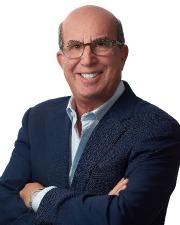
Woodbury, NY The Commercial Industrial Brokers Society (CIBS) gathered in person to present the Long Island Most Ingenious Deal of the Year (MIDY) Award at an event co-sponsored by the Association for a Better Long Island (ABLI).
David Leviton, senior managing director at JLL in Melville was recognized with the 2021 award and CIBS also presented its 2019 and 2020 MIDY awards.
Leviton won for his work securing a 172,000 s/f, 31-year-plus deal for Stony Brook University Hospital (SBUH) to turn the former Sears department store building in Lake Grove’s Smith Haven Mall - owned by the local Steel Equities - into a medical office building.
Following two years of virtual award celebrations, CIBS recognized the work of dealmakers from 2019 and 2020.
Tenant representative, Ted Stratigos, managing director with Avison Young, and landlord representatives Paul Amoruso, managing partner, and Mike Ciotta, director, both of Oxford & Simpson, won the 2020 MIDY for their work arranging a complex 93,000 s/f, 12-year direct lease to 1-800-Flowers at 2 Jericho Plaza owned by Onyx.
Cushman & Wakefield executive managing director David Pennetta received the 2019 Most Ingenious Deal of the Year (MIDY) for the 152,000 s/f, 20-year lease to the Department of Social Services at 3455 Veterans Memorial Hwy. in Ronkonkoma owned by Pitcairn Properties.
“I want to thank the selection committee of the ABLI and CIBS for this tremendous honor,” said Leviton, a past president of CIBS and veteran Long Island broker. “It is humbling to be placed in such distinguished ranks as those of the past honorees and those brokers also considered for the award this year, many of whom I have worked with during my career and all of whom continue to make tremendous contributions to our industry.”
“Following a two-year COVID-enforced hiatus, we felt it was important to put the spotlight on the critical role commercial real estate brokers play in keeping Long Island’s economy moving forward,” said CIBS President Daniel J. Wiener. “All of our winners and nominees, past and present, deserve to be applauded for their ingenuity, often in the face of tremendous hurdles, in creating solutions that help make Long Island an even better place to live and work.”
Tags:
Brokerage
MORE FROM Brokerage

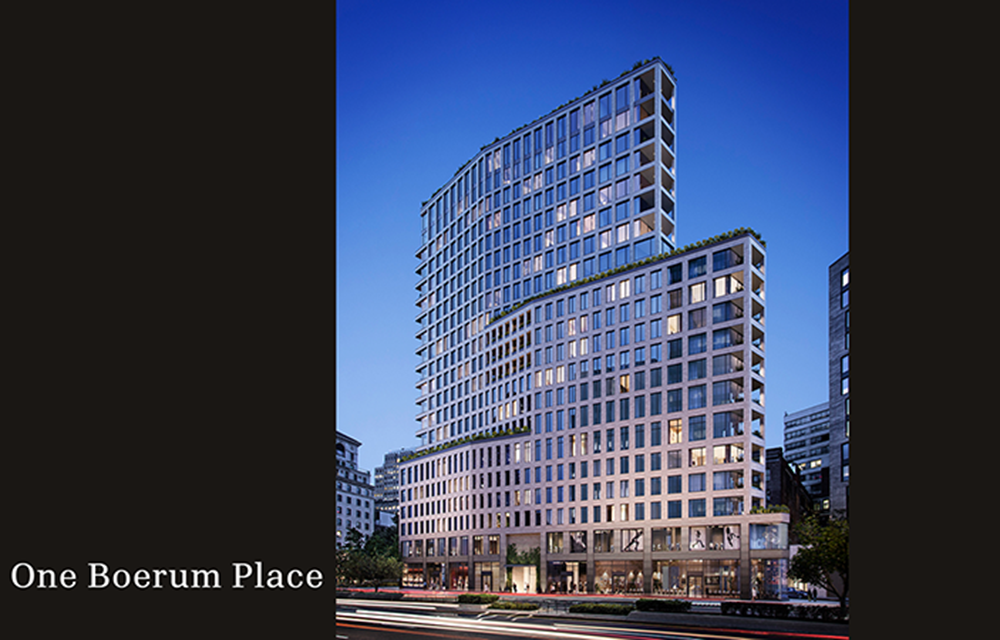
200E20TH sells out in Gramercy, penthouse A closes out sales at the CetraRuddy-designed condominium residences
Manhattan, NY 200E20TH, the CetraRuddy-designed architectural masterwork that brought a curved, contemporary sensibility to Gramercy’s Beaux-Arts streetscape, has




Columns and Thought Leadership

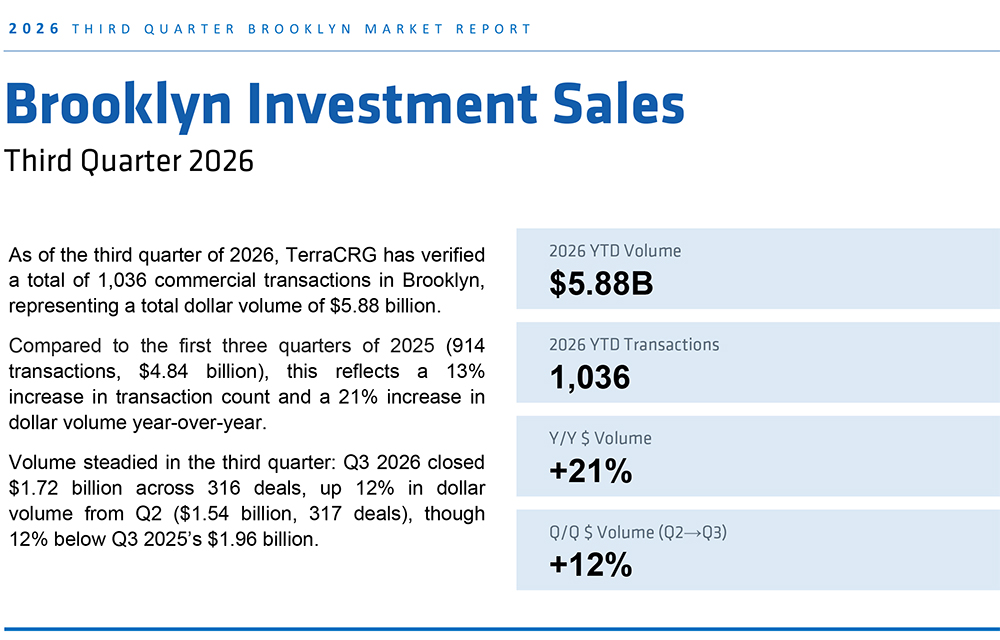
New York’s streets are full again, and the retail numbers prove it - by Noam Aziz
Walk down any New York block this year and you can feel it. The sidewalks are crowded, the storefronts are lit, and the energy that defines this city is back at full volume.

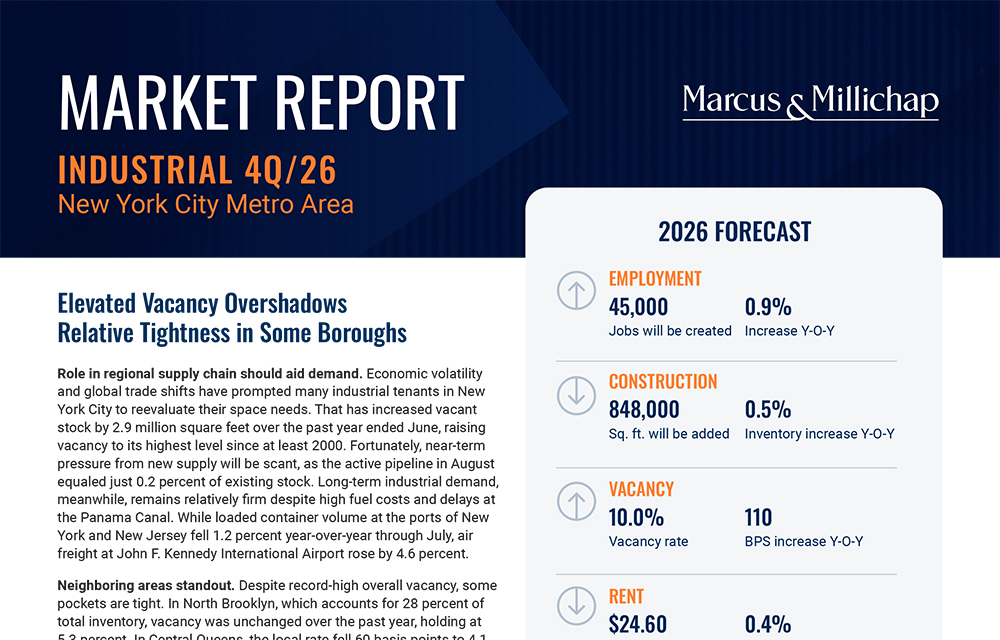
The art of investing in real estate - by Thomas Donovan
Real estate investing is as much an art as it is a skill. No one can time the market, or the factors that drive it, perfectly. Location, zoning, size, transportation, and neighborhood density give you a baseline for

Hunt commercial real estate question and answer: Fortune 500 wisdom - by David Hunt
Yes, there are lessons to be learned from the largest companies in America when comes to managing your real estate. But the decision to buy or lease real estate may not be one of

Hunt CRE question and answer: Choosing a real estate agent - by David Hunt
First, we will only work with one agent exclusively. The primary reason is that we want that agent to legally represent our client’s interests. In New York State, a real estate agent has a fiduciary
.gif)