



News:
Brokerage
Posted: April 21, 2020
Chase joins RIPCO as vice president in new Investment Sales Division
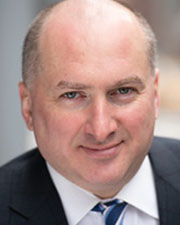
New York, NY According to RIPCO Real Estate, David Chase, a 18-year real estate veteran specializing in investment sales, has joined the firm as vice president. Joining Chase is Davit Andghuladze, who will work with Chase on investment sales across the New York metro region. The arrivals of Chase and Andghuladze coincide with the launch of the company’s investment sales division, which is led by newly appointed managing director, Michael Fasano.
“We are aiming to build a best-in-class investment sales platform, and David’s significant experience, longstanding industry relationships and entrepreneurial spirit afford RIPCO the opportunity to quickly grow our book of business,” said Fasano. “As an industry veteran, one who has weathered good and bad economic times, he will be an invaluable mentor to the next generation of brokerage professionals we aim to bring on-board.”
“What I do is more than a job, it’s a passion. To work alongside Michael and the RIPCO team to grow this division is an exciting challenge, and I very much look forward to leveraging my deep understanding of the real estate landscape to contribute to the success of the firm and establish synergy with my colleagues,” said Chase.
Prior to joining RIPCO, Mr. Chase served as partner and executive managing director at B6 Real Estate Advisors. He was also president and CEO of ONE Commercial Realty Services and served as director of investment sales at Massey Knakal Realty Services, which was acquired by Cushman & Wakefield. Chase is a graduate of Cornell University and Georgian State University, where he earned a Bachelor of Business Administration.
Andghuladze was a senior associate at B6 where he specialized in New York investment sales. Prior to that, he was a real estate broker with Tomson Burnham LLC in Oregon. Born and raised in the country of Georgia, Andghuladze was deputy mayor of the city of Kutaisi and deputy head of the Infrastructure Department of Tbilisi, Georgia’s capital city. He has been involved with government affairs for most of his career overseas. Fluent in English, Georgian and Russian, he earned a Bachelor’s Degree in Law at Georgian State Academy of the Ministry of Security.
Tags:
Brokerage
MORE FROM Brokerage

Adirondack Capital Partners arranges $45 million sale of West Chelsea development site to Toll Brothers
Manhattan, NY Adirondack Capital Partners (ACP) closed the $45 million sale of 126/128 Tenth Ave. and 456 W. 18th St. to Toll Brothers City Living. The acquisition forms part of a broader




Quick Hits
 (2).gif)

Columns and Thought Leadership

New York’s streets are full again, and the retail numbers prove it - by Noam Aziz
Walk down any New York block this year and you can feel it. The sidewalks are crowded, the storefronts are lit, and the energy that defines this city is back at full volume.

Hunt commercial real estate question and answer: Fortune 500 wisdom - by David Hunt
Yes, there are lessons to be learned from the largest companies in America when comes to managing your real estate. But the decision to buy or lease real estate may not be one of

A guide to finding the right NYC property management company - by Sanjay Gandhi
Being a small to midsize landlord in NYC is an increasingly demanding endeavor. From navigating complex regulations, increased compliance demands to dealing with tenant issues and remediating violations. It is wise to enlist the assistance of a partner, a professional

Positive forecast for New York’s pro-housing push? - by Philip Butler
New York’s housing crisis remains a hot button topic despite growing consensus that varied and affordable housing is desperately needed statewide. Governor Hochul has recently introduced several initiatives to overcome N.Y.’s anti-housing
.gif)