



News:
Brokerage
Posted: February 25, 2008
CBRE/Syracuse completes a total of $4.397 million for four transactions
According to Michael Finn, managing partner of CB Richard Ellis/Syracuse, LLC, the office completed a total of $4.397 million for four transactions.
Larry Van Der Bogart and Peter Finn of CBRE exclusively brokered the $2.2 million sale of 6500 New Venture Gear Dr. SFF Realty Corp. bought the 287,000 s/f warehouse/office used for light manufacturing and distribution, and will upgrade the building, while continuing to lease the remaining space. O'Connell More Consulting & Real Estate represented SFF Realty Corp.
Bart Feinberg of CBRE and Finn exclusively brokered the $1.35 million sale of the former Four Winds psychiatric hospital, at 650-672 S. Salina St. State University of New York Upstate Medical University purchased the property for a future daycare center and business offices. The property will undergo total renovations, initiating SUNY Upstate's expansion project.
Feinberg and Finn brokered the $700,000 sale of 358 W. Jefferson St. King & King Architects will relocate from Manlius into the former warehouse after renovating the 50,000 s/f building for its new offices. This renovation is part of a revitalization of the west downtown area. Pyramid Brokerage co-brokered the sale.
Paul Roach of CBRE exclusively brokered the $147,668 sale of 46.44 acres at 591 Maple Rd., Fulton. Mark Eagan, owner of Wheel-a-Way Motorsports, is expanding from his South 4th St., Fulton location.
With over 24,000 employees, CBRE serves real estate owners, investors and occupiers through more than 300 offices worldwide (excluding affiliate and partner offices). CBRE offers strategic advice and execution for property sales and leasing; corporate services; property, facilities and project management; mortgage banking; appraisal and valuation; development services; investment management; and research and consulting.
Tags:
Brokerage
MORE FROM Brokerage
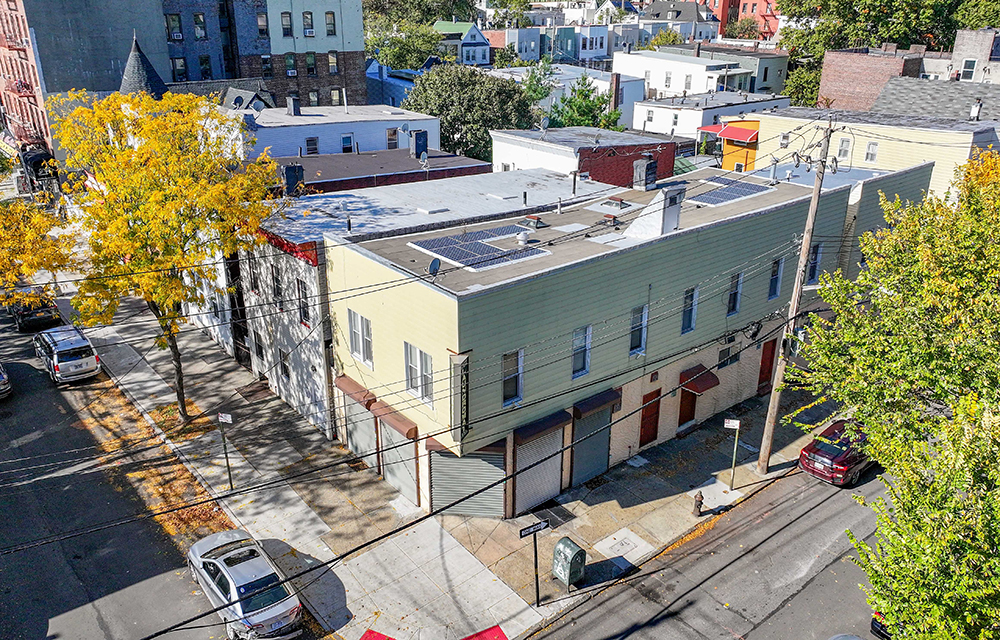
Investment Property Realty Group’s Team Friedman closes five Bronx sales totaling $5.3 million
Bronx, NY Investment Property Realty Group’s (IPRG) Team Friedman closed five sales totaling $5.3 million in the month of September. • 1707 Melville St. sold for $1.35 million. Located in Van Nest, the property



Quick Hits
 (2).gif)

Columns and Thought Leadership

Hunt commercial real estate question and answer: Fortune 500 wisdom - by David Hunt
Yes, there are lessons to be learned from the largest companies in America when comes to managing your real estate. But the decision to buy or lease real estate may not be one of

A guide to finding the right NYC property management company - by Sanjay Gandhi
Being a small to midsize landlord in NYC is an increasingly demanding endeavor. From navigating complex regulations, increased compliance demands to dealing with tenant issues and remediating violations. It is wise to enlist the assistance of a partner, a professional

New York’s streets are full again, and the retail numbers prove it - by Noam Aziz
Walk down any New York block this year and you can feel it. The sidewalks are crowded, the storefronts are lit, and the energy that defines this city is back at full volume.

Positive forecast for New York’s pro-housing push? - by Philip Butler
New York’s housing crisis remains a hot button topic despite growing consensus that varied and affordable housing is desperately needed statewide. Governor Hochul has recently introduced several initiatives to overcome N.Y.’s anti-housing
.gif)