



News:
Brokerage
Posted: February 18, 2020
CBRE arranges $1.2 million sale of 8,500 s/f Centennial Hall
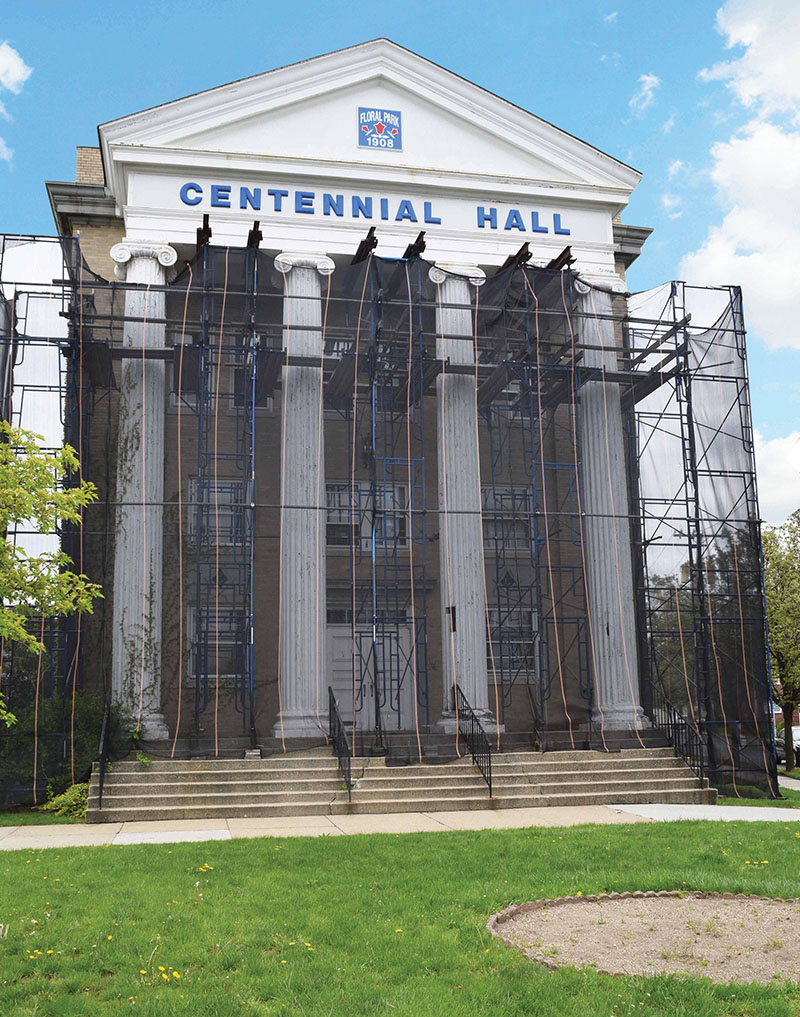 Floral Park, NY CBRE negotiated the $1.2 million sale of Centennial Hall, a 8,500 s/f social hall located at 29 Tulip Ave. Built in 1925, the building once served as a Masonic Temple and is one of the most prominent structures when entering the Village from Jericho Tpke. due to its stature and façade detailing.
CBRE’s Jay Gelbtuch and Eric Gilman represented the seller in the transaction, the Village of Floral Park. The building was acquired by Friedman Group LLC, who plans to redevelop the space into a multifamily property.
“Centennial Hall is a coveted fixture in the Village of Floral Park, so it was important that we partner with the Village board to identify the needs of the village residents.” said CBRE’s Gelbtuch. “After several visioning sessions with the village residents, it was determined that a multifamily development would be the most efficient use for the space as it would allow for the building to be preserved without negatively impacting the parking or traffic in town.”
Centennial Hall is situated on a 21,460 s/f lot in the northwest section of Hampstead in Nassau County, adjacent to the Queens border. The site is four blocks away from the Floral Park Long Island Railroad Station and directly off Jericho Tpke., which provides access to the Cross Island Pkwy.
Tags:
Brokerage
MORE FROM Brokerage

Adirondack Capital Partners arranges $45 million sale of West Chelsea development site to Toll Brothers
Manhattan, NY Adirondack Capital Partners (ACP) closed the $45 million sale of 126/128 Tenth Ave. and 456 W. 18th St. to Toll Brothers City Living. The acquisition forms part of a broader






Columns and Thought Leadership

Hunt commercial real estate question and answer: Fortune 500 wisdom - by David Hunt
Yes, there are lessons to be learned from the largest companies in America when comes to managing your real estate. But the decision to buy or lease real estate may not be one of

New York’s streets are full again, and the retail numbers prove it - by Noam Aziz
Walk down any New York block this year and you can feel it. The sidewalks are crowded, the storefronts are lit, and the energy that defines this city is back at full volume.

A guide to finding the right NYC property management company - by Sanjay Gandhi
Being a small to midsize landlord in NYC is an increasingly demanding endeavor. From navigating complex regulations, increased compliance demands to dealing with tenant issues and remediating violations. It is wise to enlist the assistance of a partner, a professional

Positive forecast for New York’s pro-housing push? - by Philip Butler
New York’s housing crisis remains a hot button topic despite growing consensus that varied and affordable housing is desperately needed statewide. Governor Hochul has recently introduced several initiatives to overcome N.Y.’s anti-housing
.gif)