


 (2).gif)
News:
Spotlight Content
Posted: August 26, 2013
Carney of Signature Group reps Henckels in $7.3 million sale
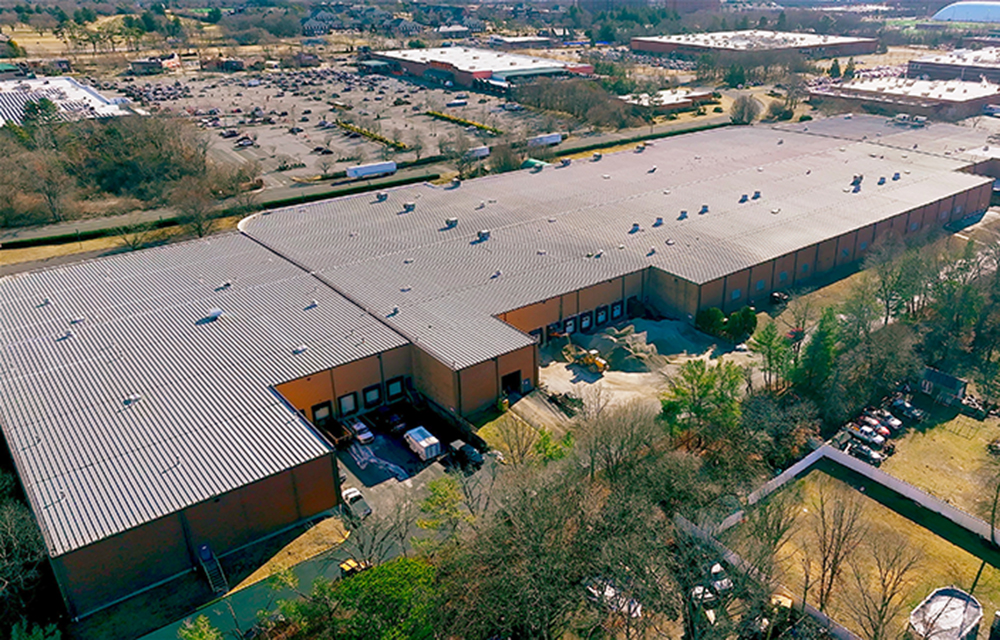
Signature Group, a full service commercial real estate firm, has completed the $7.3 million sale of 270 Marble St. to culinary products company Zwilling JA Henckels AG (Henckels) for its new and expanded U.S. headquarters. The 5.7-acre industrial property includes a 110,000 s/f building that Henckels will renovate prior to its anticipated occupancy in Q2 of 2014. The company will relocate from its current 74,000 s/f facility in nearby Hawthorne - 3.8 miles from the new location. Andrew Carney, a Signature Group vice president represented Henckels. Dom Musilli of RHYS Real Estate represented the seller, Stop & Shop.
According to Carney, the search for the right location for Henckels' new facility included a number of challenges. They were committed to remaining in central Westchester in order to retain their employees at every level. However, there is a very limited stock of properties that would meet their specifications.
"We performed an extensive, proactive search on behalf of Henckels to identify every possible qualified property, whether currently available on the market or not," said Carney. "We persisted in keeping tabs on the status of potential candidates and were excited when 270 Marble - a rare find - became available. Henckels recognized that the right situation had presented itself and moved ahead with purpose to complete the transaction."
In addition to supplying headquarters office space, the building will also serve as Henckels' US distribution facility. It will not be a manufacturing facility. Approximately 110 employees will work at the new location. The intended use is in keeping with existing zoning, which, along with the intended revitalization is in line with the town's vision for the property.
According to Carney, the current Henckels headquarters in Hawthorne, which the company owns, will be placed on the market for sale in the near future. Based in Germany, Henckels produces cutlery, flatware, cookware and kitchen gadgets.
Tags:
Spotlight Content
MORE FROM Spotlight Content

NYREJ's 2026 Developing Long Island Spotlight is here!
This spotlight showcases projects completed and currently under construction across Long Island as well as highlights improvements made to the region through Industrial and Economic Development Agencies and BIDs.


.png)

 (2).gif)

Columns and Thought Leadership

Properly serving a lien law Section 59 Demand - by Bret McCabe
Many attorneys operating within the construction space are familiar with the provisions of New York Lien Law, which allow for the discharge of a Mechanic’s Lien in the event the lienor does not commence an action to enforce following the service of a “Section 59 Demand”.

From vacancy to vitality: How adaptive reuse is reshaping Long Island’s CRE landscape - by Andrea Tsoukalas Curto
Adaptive reuse has become one of the most important conversations in commercial real estate today. Long Island has a large inventory of aging retail, office and industrial

2026 Developing Queens: Long Island Board of Realtors advances commercial growth and advocacy in Queens
The Long Island Board of Realtors (LIBOR) Commercial Network continues to play a key role in advancing opportunities and strengthening the commercial real estate landscape across Queens. Through targeted programming and global outreach

CRE Guide Featured Company: Merritt Environmental Consulting Corp.
Merritt Environmental Consulting Corp. (MECC) was established in June of 2009 after being part of a larger engineering firm for almost 20 years. The focus of the company is to assist lending institutions, attorneys, real estate investors, and property owners with environmental concerns. Today, MECC has offices in New York, Florida, and Vermont and has grown into a regional consulting firm serving clients along the East Coast.