



News:
Brokerage
Posted: January 20, 2026
Camber Real Estate Partners and PGIM acquire seven building industrial portfolio totaling 745,270 s/f
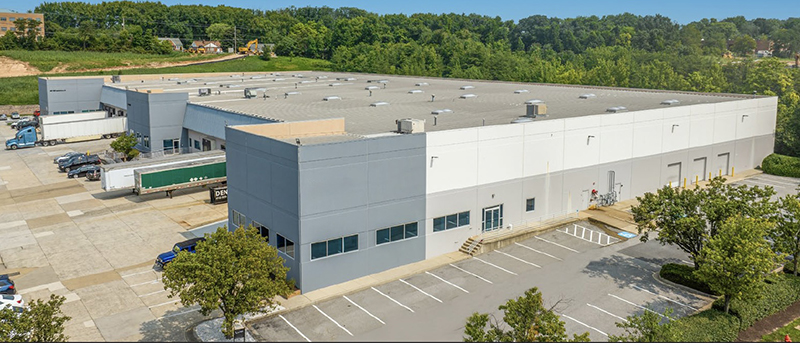
Baltimore, MD Camber Real Estate Partners (Camber) in a joint venture with PGIM’s real estate business (PGIM), has acquired a seven-building industrial portfolio totaling 745,270 s/f in the Greater Baltimore Metro area. The package was acquired for an undisclosed price from an unnamed seller.
Comprised of highly functional and well-established institutional-quality assets, the properties are located in Halethorpe, Jessup, Middle River, Rosedale and Baltimore. At the time of sale, the portfolio was occupied by 17 individual tenants, representing a diverse mix of industries and providing a stable, multi-tenant income stream.
“This acquisition represents a significant expansion of our footprint in the Mid-Atlantic region,” said Christopher Bellapianta, Camber managing principal. “Drawn by the Baltimore industrial market’s incredible resilience and growth, this joint venture acquisition demonstrates our focus on securing high-quality, infill assets in one of the most supply-constrained corridors on the East Coast. We look forward to applying our hands-on management approach to further enhance the value of these properties.”
The transaction also highlights continued institutional appetite for light industrial and “shallow-bay” product — assets that are increasingly difficult to develop in high-barrier-to-entry markets.
“We are pleased to partner with Camber Real Estate Partners on this transaction,” said Ian Christ, managing director at PGIM. “This portfolio aligns with our strategy of investing in functional industrial assets located in logistics hubs with strong demand drivers. The Greater Baltimore area serves as a critical link in the East Coast supply chain, and these assets are well-positioned to benefit from the region’s long-term economic fundamentals.”
The portfolio’s location provides immediate access to major transportation infrastructure, including I-95, I-695 and I-895, offering tenants seamless connectivity to the Port of Baltimore and the broader Northeast Corridor.
“The diversity of the tenant base and the flexible configurations of these buildings make this an exceptional addition to our portfolio,” said Camber’s Kevin Interlicchio, director of acquisitions. “These assets are designed to meet the needs of modern users who require functional loading, ample parking and proximity to a dense population base. We are excited about integrating these buildings into our platform.”
The seller was represented in the transaction by Cris Abramson, Ben McCarty, Nick Signor, Henry Pleszkoch and Sam Slater of Newmark.
Tags:
Brokerage
Outside The Region
MORE FROM Brokerage
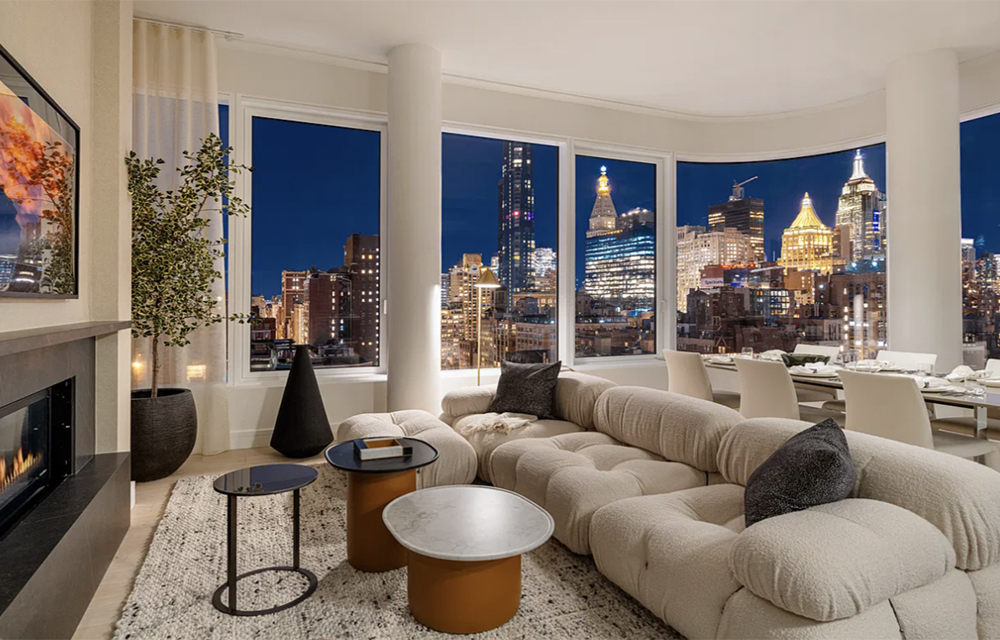
200E20TH sells out in Gramercy, penthouse A closes out sales at the CetraRuddy-designed condominium residences
Manhattan, NY 200E20TH, the CetraRuddy-designed architectural masterwork that brought a curved, contemporary sensibility to Gramercy’s Beaux-Arts streetscape, has





Quick Hits

Columns and Thought Leadership

Hunt commercial real estate question and answer: Fortune 500 wisdom - by David Hunt
Yes, there are lessons to be learned from the largest companies in America when comes to managing your real estate. But the decision to buy or lease real estate may not be one of

Hunt CRE question and answer: Choosing a real estate agent - by David Hunt
First, we will only work with one agent exclusively. The primary reason is that we want that agent to legally represent our client’s interests. In New York State, a real estate agent has a fiduciary

The art of investing in real estate - by Thomas Donovan
Real estate investing is as much an art as it is a skill. No one can time the market, or the factors that drive it, perfectly. Location, zoning, size, transportation, and neighborhood density give you a baseline for

New York’s streets are full again, and the retail numbers prove it - by Noam Aziz
Walk down any New York block this year and you can feel it. The sidewalks are crowded, the storefronts are lit, and the energy that defines this city is back at full volume.
.gif)