



News:
Brokerage
Posted: September 4, 2009
Building Long Island holds 3rd Annual Cutting Through Red Tape panel
Building Long Island magazine will present the 3rd Annual Cutting Through the Red Tape: Building Long Island Today, a discussion on the issues effecting building across the island on Sept. 22 at 7:45 a.m. at Milleridge Cottage, 585 North Broadway.
Nassau County executive Tom Suozzi and Suffolk County executive Steve Levy will be the keynote speakers. The event is being sponsored by CIBS, CoreNet, LIBI, LIMBA and SMPS.
The panel will feature town of Babylon supervisor Steve Bellone; town of Brookhaven supervisor Mark Lesko; Long Island Regional Planning Board chairman and mangaging partner of Cameron Engineering, John Cameron; Blumenfeld Development Group president Ed Blumenfeld; and Katter Development president Kent Katter. Institute for Student Achievement executive VP Patrick Halpin, a former Suffolk County executive, will moderate the program.
"We are going to have a lively discussion and identify real ways to cut through the red tape that drive up costs and frustrates good projects," said Halpin.
A portion of the proceeds from Cutting Through the Red Tape will benefit the New York Institute of Technolgy scholarship fund in support of the young men and women who will be building Long Island tomorrow. "As we celebrate our 3rd anniversary, we are excited to continue the magazine's commitment to giving by helping future architects, engineers and developers on Long Island fulfill their dreams," said Building Long Island founder and publisher Deborah Herman.
Tickets for the breakfast discussion are $95. To reserve your seat, send check payable to DKH Communications to: Cutting Through the Red Tape, 30 Jericho Tpke., #271, Commack, NY 11725. To pay by credit card, go to www.buildinglongisland.com to download a registration form.
For sponsorship and event information contact Herman at (631) 543-0320 or email [email protected].
Tags:
Brokerage
MORE FROM Brokerage
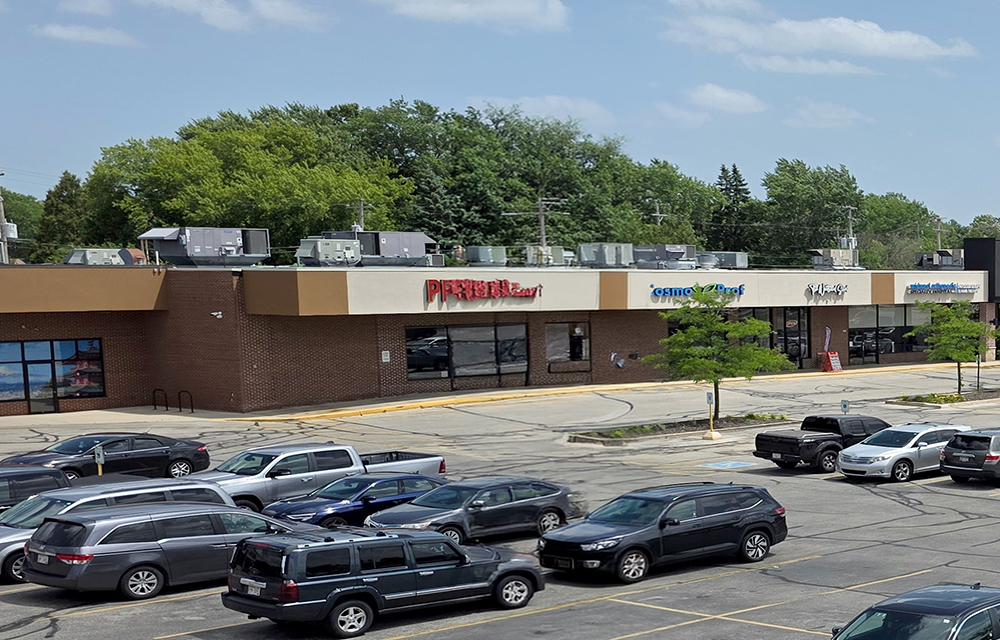
United Properties Corp. expands Wisconsin and Illinois retail presence adding 200,000 s/f
West Allis, WI United Properties Corp. completed two retail acquisitions totaling $27.4 million across Illinois and Wisconsin, adding 205,000 s/f of shopping center space to its portfolio






Quick Hits

Columns and Thought Leadership

Positive forecast for New York’s pro-housing push? - by Philip Butler
New York’s housing crisis remains a hot button topic despite growing consensus that varied and affordable housing is desperately needed statewide. Governor Hochul has recently introduced several initiatives to overcome N.Y.’s anti-housing

A guide to finding the right NYC property management company - by Sanjay Gandhi
Being a small to midsize landlord in NYC is an increasingly demanding endeavor. From navigating complex regulations, increased compliance demands to dealing with tenant issues and remediating violations. It is wise to enlist the assistance of a partner, a professional

New York’s streets are full again, and the retail numbers prove it - by Noam Aziz
Walk down any New York block this year and you can feel it. The sidewalks are crowded, the storefronts are lit, and the energy that defines this city is back at full volume.

Hunt commercial real estate question and answer: Fortune 500 wisdom - by David Hunt
Yes, there are lessons to be learned from the largest companies in America when comes to managing your real estate. But the decision to buy or lease real estate may not be one of
.gif)