



News:
Construction Design & Engineering
Posted: January 10, 2011
Breaches in roofs and firewalls: Planning for telecommunications in 2011
Building owners and community association residents are upgrading their telecommunications services to include amenities such as high speed Internet/cable, high definition television, satellite television, fiber optic infrastructure, etc. These new high-technology services and the hardware allowing us to enjoy them have recently become more affordable and more within reach of the average consumer. As a result, more and more satellite dishes, cables and wiring are sprouting up, being run across roofs, pushed through firewalls, cut through floor slabs and being run down the roof gutters at many of the communities with whom we work.
Hopefully, the number of developers and their architects that acknowledge this unavoidable trend will continue to grow as well, along with the number of multifamily buildings that are designed at the conceptual stage to incorporate these new technologies seamlessly into their building plans. Unfortunately, it seems that, for many existing buildings and communities, the installation of these popular telecommunications technologies needs to be retrofitted in and around the existing building construction. If this retrofit process is left unchecked, as it seems to be in the vast majority of cases, unintended damages can be caused to the building's common element weather protective envelope and its passive fire protection systems, in addition to the obvious aesthetic/curb appeal concerns. On more rare occasions, hidden plumbing and/or wiring can be severed, with consequences ranging from non-functional security systems to plumbing leaks that cause interior flooding.
Some common examples of unchecked and unregulated telecommunications installation practices that are seen on a regular basis include: satellite dish mounts breaching the weather protection membrane of a roofing system (including abandoned satellite dish mounting brackets no longer in use), cables being pulled through opportunistic gaps in the eaves and roof edges, cables run loosely across a roofing system, holes of various shapes and sizes being punched through firewalls between dwellings, penetrations through structural slabs where reinforcement is cut and/or no penetration protection is provided, and loose, unorganized and unprotected cables running across the ground to a gap in the building's cladding system. It is not uncommon to see roof mounting brackets that are typically installed with screws driven directly through the roofing shingles or membranes, with or without the benefit of sealant. Of course, the cables that are being run across rooftops will certainly add an extra challenge (cost) to the upcoming re-roofing project; one can be sure of that. Some properties have even incurred fines from inspection agencies during inspections for damages caused as a result of these improper installations.
The poor installation practices observed are unfortunate because the products and methods exist to successfully retrofit the upgrade systems and the required infrastructure properly without damaging surrounding construction. In most cases, the proper materials and methods add minimal cost to the project, so the problem seems to be one related to a lack of information and/or direction. The satellite dishes should be mounted to a bracket that is properly flashed into the roofing system.
Traditional technologies such as heating and cooling equipment, conventional communications antennae, structural supports, etc., have involved flashed mounting blocks or platforms, or have used special brackets that extend up underneath roof shingles, so as not to leave an opening for the weather. More established trades, such as electrical supply and plumbing, generally know how to maintain the integrity of fire resistant assemblies such as firewalls or rated ceilings by using approved fire stop penetration devices and/or specially formulated fire performing materials around the penetration.
Telecommunications upgrade projects are not currently regulated or inspected by local code officials, likely because the systems themselves do not pose direct threats to life and safety (as could an electrical power project); as a result, these types of projects generally go unchecked. The Association/Co-op itself may be the only interested body, as it pertains to formally protecting and preserving the integrity, life and safety performance of the common element building systems in projects like these. Property owners would be well advised to take proactive measures regarding the inevitable wave of upcoming telecommunications installations and, to that end, should establish an administrative process and a technical standard that will help provide a level of control during these projects.
An architect or engineering professional can assist property owners in the development of standard specifications that identify the approved methods and materials, and even locations on the building, for proposed telecommunications projects.
Stewart Willis, R.S., HHS, is senior project manager for The Falcon Group, Bridgewater, N.J.
MORE FROM Construction Design & Engineering
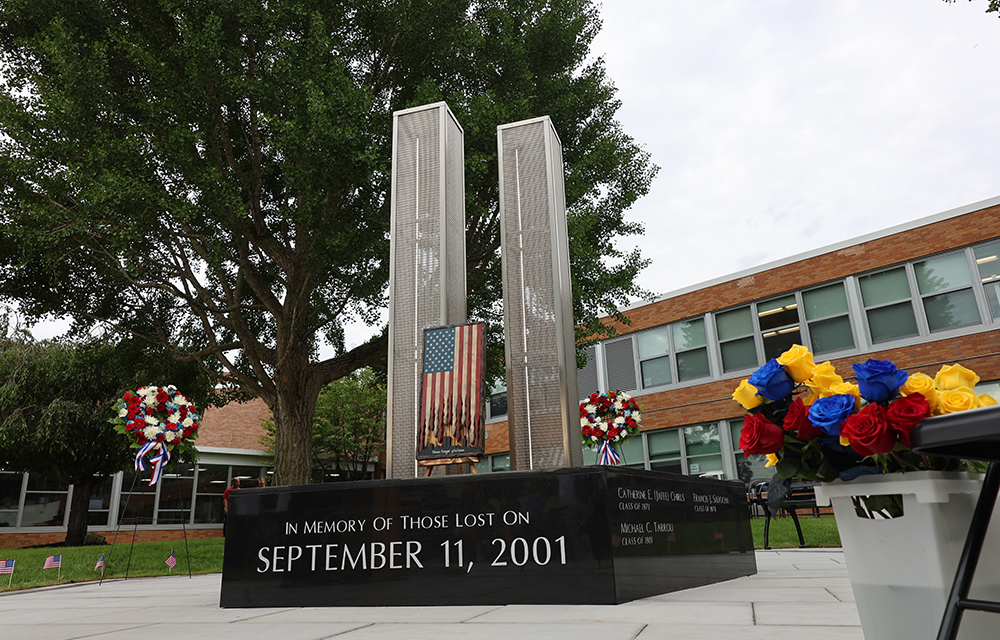
MDS Architecture designs memorial to pay tribute to those lost on September 11
Wantagh, NY A new 9/11 memorial designed as a lasting place of reflection, remembrance and resilience was formally dedicated on September 11, 2026 at Wantagh High School, honoring those who lost their lives in the 9/11 terrorist attacks and ensuring their memory will be carried forward for generations.




Quick Hits


Columns and Thought Leadership

We support green construction. Just not this kind - by Tammy Smith
Most people think of St. Patrick’s Day as a fun footnote on the calendar. In construction logistics, however, it’s a full-scale operational variable — especially if your work touches major metro areas with major parades and, let’s call it what it is, enthusiastic celebrants.

Premium experiences, proven returns: The New revenue playbook for sports venues - by Terry McIntyre
Investing in the Fan Experience as a Revenue Strategy The sports and entertainment venues that bet on premium experiences years ago are now seeing those investments pay off in packed seats, increased revenue, and industry recognition.
