



News:
Brokerage
Posted: January 25, 2022
Berkadia secures $84 million financing for Emmut Properties
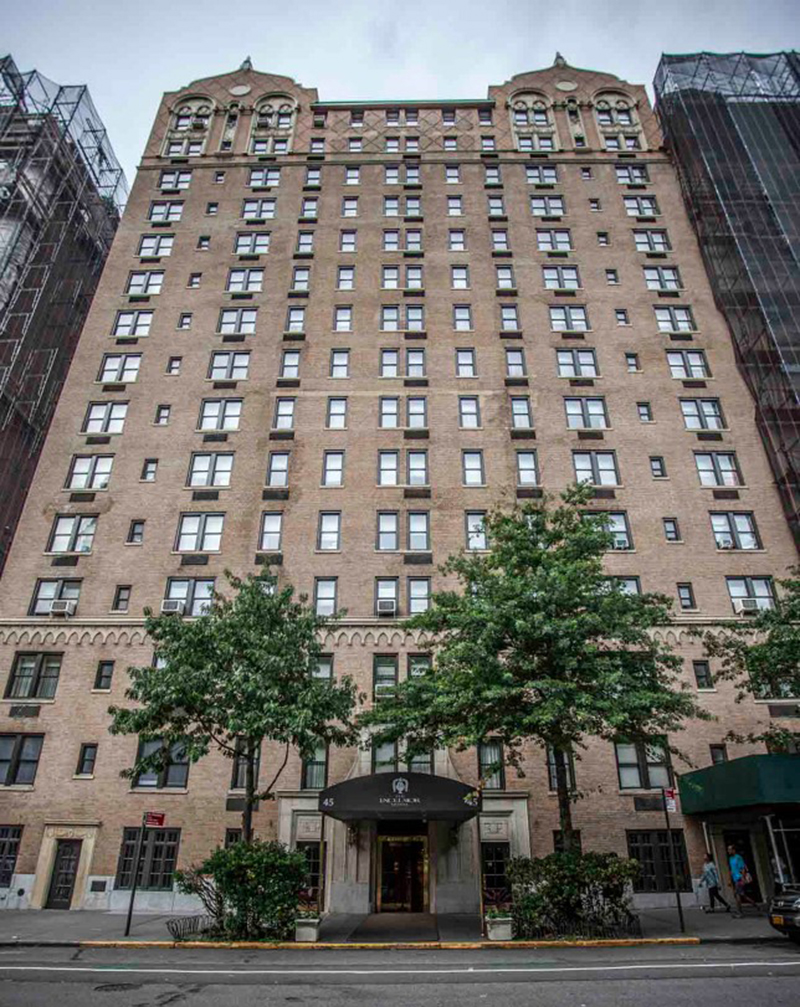 Manhattan, NY Berkadia has secured stretch senior financing for developer Emmut Properties’ acquisition of Excelsior Hotel, a century-old landmark hotel on the Upper West Side. Emmut Properties acquired the 126-room hotel, which has been closed since April 2020, for $80 million, and will convert it into a 134-unit multifamily property featuring class A finishes and amenities. The total capitalization of the transaction is more than $100 million.
Chinmay Bhatt, Noam Franklin and Cody Kirkpatrick of Berkadia JV Equity & Structured Capital secured an $84 million loan from Franklin BSP Realty Trust, Inc. (FBRT), a publicly traded real estate investment trust. The financing package consists of a $74 million senior bridge loan and a $10 million mezzanine loan, both with 18-month terms and three single-year extension options. The senior note included $9 million of future-funding commitments to help cover the cost of converting the Excelsior to a multifamily property.
To date, the Berkadia team has closed more than $150 million in financing for Emmut Properties including a residential building at 433 West 53rd St. and a mixed-use building at 138 Bowery.
“Emmut Properties’ significant track record in Manhattan, which spans more than 25 years of success, was a critical piece to closing this deal in a generally challenging real estate market, especially in New York City,” said Bhatt. “We thank everyone at FBRT and Emmut Properties for their efforts in getting this deal closed before the year’s end.”
Located at 45 West 81st St., the 15-story Excelsior Hotel was originally built in the 1920s as apartments and converted to a hotel in the mid-20th century. It is located between Central Park West and Columbus Ave., across from the American Museum of Natural History. The conversion will create 134 apartments with amenities such as a fitness center, library and outdoor courtyard.
Leasing is slated to begin in the first half of 2023.
Berkadia JV Equity & Structured Capital marked a record-breaking year in 2021, having capitalized more than $2 billion* in property transactions across the country, including market rate multifamily acquisitions, ground-up multifamily projects, single-family-rental/build-to-rent communities (SFR/BTR), hotel-to-multifamily conversions, student housing assets and property recapitalizations.
*Based on approximate capitalized transaction volumes
Tags:
Brokerage
MORE FROM Brokerage
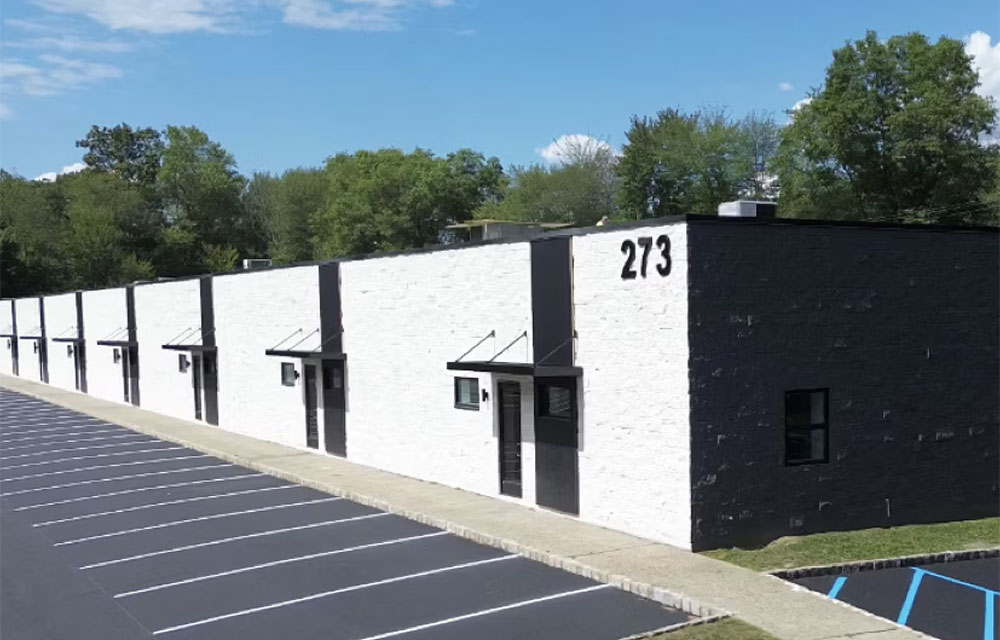
Resource Realty of Northern NJ delivers complete lease-up of 235 Franklin Rd. for Commerce Park Investors
Randolph, NJ Resource Realty of Northern New Jersey (RRNNJ) has completed the lease-up of a 10-unit small-bay industrial property at 273 Franklin Rd., marking the culmination of an investment strategy that began



Quick Hits

Columns and Thought Leadership

New York’s streets are full again, and the retail numbers prove it - by Noam Aziz
Walk down any New York block this year and you can feel it. The sidewalks are crowded, the storefronts are lit, and the energy that defines this city is back at full volume.

A guide to finding the right NYC property management company - by Sanjay Gandhi
Being a small to midsize landlord in NYC is an increasingly demanding endeavor. From navigating complex regulations, increased compliance demands to dealing with tenant issues and remediating violations. It is wise to enlist the assistance of a partner, a professional

Positive forecast for New York’s pro-housing push? - by Philip Butler
New York’s housing crisis remains a hot button topic despite growing consensus that varied and affordable housing is desperately needed statewide. Governor Hochul has recently introduced several initiatives to overcome N.Y.’s anti-housing

Hunt commercial real estate question and answer: Fortune 500 wisdom - by David Hunt
Yes, there are lessons to be learned from the largest companies in America when comes to managing your real estate. But the decision to buy or lease real estate may not be one of
.gif)