



News:
Brokerage
Posted: August 21, 2009
A lawyer discusses handling water damages
Water damage and related liability has always been a big issue for property owners and the occupants of that property. It is an especially big issue in co-op buildings where everyone lives in close proximity. It may arise from the co-op having work done on the roof or from a shareholder or tenant doing renovation work in their apartments.
The first thing that is needed when there is water damage is a game plan for how to handle the problem and the source of the leak. When a leak is not attended to, mold is sure to follow. Once the property owner has "notice" of a hazardous condition, the potential for liability increases. The general rule is that actual knowledge of mold is what is needed and not just notice of water damage that may lead to mold.
While everyone's first question is "How many insurance policies are there that might cover this?," there may not necessarily be coverage, because there may not be an "event" under the policy triggering the coverage. The damage may have been caused by negligence or faulty work by a contractor and not by a sudden event, such as a pipe that burst. There may be several insurance policies that might be implicated. Each insurance company should be contacted as soon as possible, so that there are no issues about late notice.
It is important to get the source of the leak fixed quickly to avoid further damage and expense. This may mean paying for the remedial work and getting reimbursed later. The right attorney can orchestrate all of these matters and sometimes resolve the issue without litigation.
C. Jaye Berger, Esq., is the principal of the Law Offices C. Jaye Berger, New York, N.Y.
Tags:
Brokerage
MORE FROM Brokerage
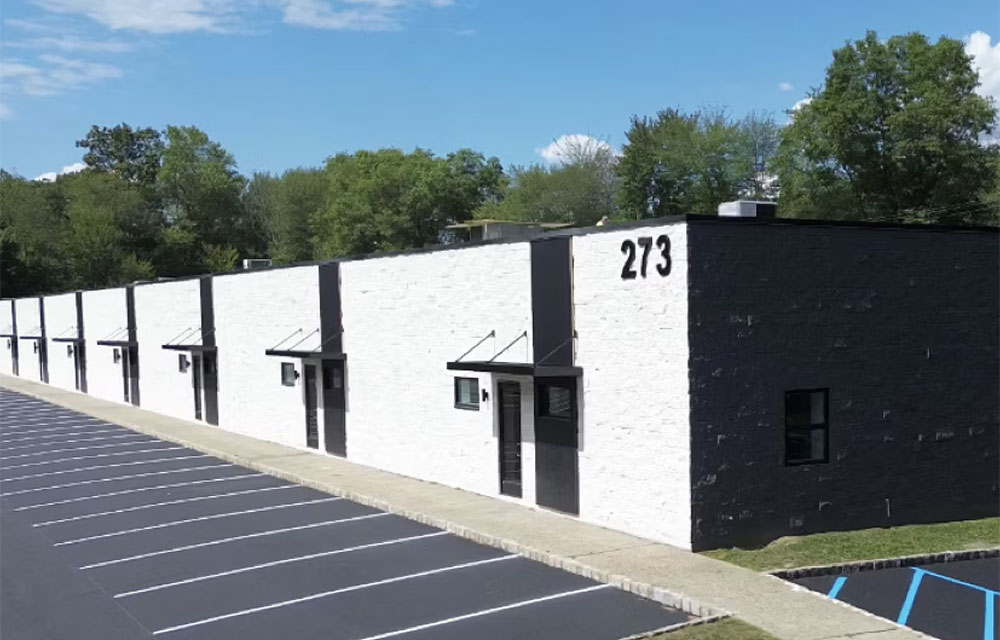
Resource Realty of Northern NJ delivers complete lease-up of 235 Franklin Rd. for Commerce Park Investors
Randolph, NJ Resource Realty of Northern New Jersey (RRNNJ) has completed the lease-up of a 10-unit small-bay industrial property at 273 Franklin Rd., marking the culmination of an investment strategy that began



Quick Hits

Columns and Thought Leadership

Hunt commercial real estate question and answer: Fortune 500 wisdom - by David Hunt
Yes, there are lessons to be learned from the largest companies in America when comes to managing your real estate. But the decision to buy or lease real estate may not be one of

New York’s streets are full again, and the retail numbers prove it - by Noam Aziz
Walk down any New York block this year and you can feel it. The sidewalks are crowded, the storefronts are lit, and the energy that defines this city is back at full volume.

A guide to finding the right NYC property management company - by Sanjay Gandhi
Being a small to midsize landlord in NYC is an increasingly demanding endeavor. From navigating complex regulations, increased compliance demands to dealing with tenant issues and remediating violations. It is wise to enlist the assistance of a partner, a professional

Positive forecast for New York’s pro-housing push? - by Philip Butler
New York’s housing crisis remains a hot button topic despite growing consensus that varied and affordable housing is desperately needed statewide. Governor Hochul has recently introduced several initiatives to overcome N.Y.’s anti-housing
.gif)