News: Spotlight Content

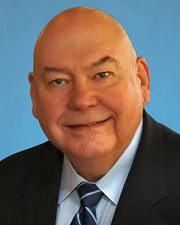
2025 Year in Review: Zach Bernstein and Tal Golomb, Fried Frank

Zach Bernstein
Partner, Real Estate Department
Fried Frank

 

Tal Golomb
Partner, Real Estate Department
Fried Frank


What transaction, project, or key moment best reflected the direction of the New York CRE market this year? 

The City of Yes for Housing Opportunity was passed at the end of 2024 to address NYC’s housing crisis, and throughout 2025 we saw key zoning initiatives come to fruition, paving the way for more housing development. The city council approved the Midtown South mixed-use plan, which changes the zoning for 42 blocks in Midtown South to allow for more housing in a previously non-residential area. 

We also saw NYC voters approve several housing-related ballot provisions that amended the city’s charter, establishing a fast track process for affordable housing and an Affordable Housing Appeals Board.

What accomplishment, milestone, project or transaction stood out for you or your firm in 2025? 

Fried Frank guided two of the three successful applicants for a gaming facility license that the State recently issued. The Queens Future project by Hard Rock and Mets-owner Steve Cohen will be the largest economic development initiative in Queens, with an $8 billion investment, thousands of new jobs and 25 acres of public space. Bally’s in the Bronx will bring billions of dollars of investment and community improvements, revitalizing the area. This is an example of the firm’s ability to advise on all aspects of complicated and impactful projects– from land use approvals through transactions. 

What emerging trends or shifts will shape opportunities for you, your firm, or market sector in 2026?

We are expecting a continued uptick of office-to-residential developments in NYC. Fried Frank has advised the three largest conversions in the country: 25 Water St., the former Pfizer headquarters and 5 Times Square, with more expected developments to come in 2026. Additionally, with the “City of Yes” zoning initiatives, many of our clients are revisiting sites and finding opportunities to develop where they were not able to before, and a big piece of what we are doing is working with the city government to hash out how the new rules work and what can be accomplished.

MORE FROM Spotlight Content

Over half of Long Island towns vote to exceed the tax cap - Here’s how owners can respond - by Brad and Sean Cronin

When New York permanently adopted the 2% property tax cap more than a decade ago, many owners hoped it would finally end the relentless climb in tax bills. But in the last couple of years, that “cap” has started to look more like a speed bump. Property owners are seeing taxes increase even when an
READ ON THE GO
DIGITAL EDITIONS
Subscribe
Columns and Thought Leadership
How much power does the NYC mayor really have over real estate policy? - by Ron Cohen

How much power does the NYC mayor really have over real estate policy? - by Ron Cohen

The mayor of New York City holds significant influence over real estate policy — but not absolute legislative power. Here’s how it breaks down:

Formal Legislative Role

Limited direct lawmaking power: The NYC Council is the primary
Oldies but goodies:  The value of long-term ownership in rent-stabilized assets - by Shallini Mehra

Oldies but goodies: The value of long-term ownership in rent-stabilized assets - by Shallini Mehra

Active investors seeking rent-stabilized properties often gravitate toward buildings that have been held under long-term ownership — and for good reasons. These properties tend to be well-maintained, both physically and operationally, offering a level of stability
The strategy of co-op busting in commercial real estate - by Robert Khodadadian

The strategy of co-op busting in commercial real estate - by Robert Khodadadian

In New York City’s competitive real estate market, particularly in prime neighborhoods like Midtown Manhattan, investors are constantly seeking new ways to unlock property value. One such strategy — often overlooked but
Properly serving a lien law Section 59 Demand - by Bret McCabe

Properly serving a lien law Section 59 Demand - by Bret McCabe

Many attorneys operating within the construction space are familiar with the provisions of New York Lien Law, which allow for the discharge of a Mechanic’s Lien in the event the lienor does not commence an action to enforce following the service of a “Section 59 Demand”.