


 (2).gif)
News:
Spotlight Content
Posted: December 23, 2025
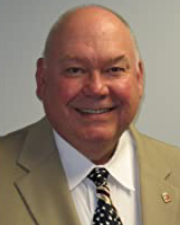
2025 Year in Review: Stuart Saft, Holland & Knight LLP

Partner and R.E. Practice Group Leader
Holland & Knight LLP
What accomplishment, milestone, project or transaction stood out for you or your firm in 2025?
Representing The Naftali Group in the development of Williamsburg Wharf on 3.75 acres of land with 525 ft. of waterfront on the East River containing five, 22-story residential buildings containing 850 residences, retail, amenities, a park and a promenade along the river and transforming a lumber yard and industrial space into a vibrant community in a park-like setting. This complex demonstrates how the private sector can transform underutilized space into a community and act as a magnet for redevelopment of an entire area.
What emerging trends or shifts will shape opportunities for you, your firm, or market sector in 2026?
The proposal to freeze rents and the impact on landlords and their lenders after HSTPA and Good Cause Eviction result in the low turnover of rent regulated apartments and the increased cost of: insurance due to state laws; construction resulting from city and state mandates; and, most construction lenders withdrawing from financing rental construction, will leave condo development as the only source of new housing other than what the government can support. This will be great for our condo development practice although terrible for NYC’s future.
What transaction, project, or key moment best reflected the direction of the New York CRE market this year?
2025’s most significant event was the election of a new mayor with a plan to freeze rents that are significantly below market in a city where there has not been enough housing built in eighty years and while the city and state enact more unfunded mandates for landlords and home owners to pay. This will result in more middle and upper income residents leaving and taking high paying jobs with them. The city is not unaffordable because there are wealthy people living here, but rather because the high paying jobs are leaving and the school system has failed to educate children.
Comment: 2, 3
MORE FROM Spotlight Content
Participate in Developing New York Featuring Westchester County - November 24, 2026
Choose how you’d like to participate in this edition of NYREJ’s Developing New York series featuring Westchester County.



.png)

 (2).gif)

Columns and Thought Leadership

CRE Guide Featured Company: Merritt Environmental Consulting Corp.
Merritt Environmental Consulting Corp. (MECC) was established in June of 2009 after being part of a larger engineering firm for almost 20 years. The focus of the company is to assist lending institutions, attorneys, real estate investors, and property owners with environmental concerns. Today, MECC has offices in New York, Florida, and Vermont and has grown into a regional consulting firm serving clients along the East Coast.

From vacancy to vitality: How adaptive reuse is reshaping Long Island’s CRE landscape - by Andrea Tsoukalas Curto
Adaptive reuse has become one of the most important conversations in commercial real estate today. Long Island has a large inventory of aging retail, office and industrial

2026 Developing Queens: Long Island Board of Realtors advances commercial growth and advocacy in Queens
The Long Island Board of Realtors (LIBOR) Commercial Network continues to play a key role in advancing opportunities and strengthening the commercial real estate landscape across Queens. Through targeted programming and global outreach

2026 Developing Long Island: ERG Commercial Real Estate launches its new Retail Leasing division
North Hempstead, NY ERG Retail Leasing is the dedicated leasing division of ERG Commercial Real Estate, an established full-service commercial real estate brokerage for over 35 years.