



News:
Brokerage
Posted: December 22, 2007
2008 budget includes $80m to reduce greenhouse gases
An executive order establishes a steering committee charged with reducing energy consumption and greenhouse gas emissions in city owned buildings and operations by 30% over the next ten years.
This is one of the 127 initiatives that was talked about in an Earth Day speech six months ago as part of PlaNYC, the plan to create a greener, greater New York.
The order also earmarks $80 million in FY2008 funding, or approximately 10% of the city's current annual energy expenditures, to implement energy saving measures in city owned buildings. Buildings account for more than 80% of citywide greenhouse gas emissions and more than two-thirds of emissions by city government.
Work has begun on more than 80% of the other 126 initiatives.
At the event were deputy mayor for economic development and rebuilding Daniel Doctoroff; director of long-term planning and sustainability Rohit Aggarwala; Ashok Gupta from the National Resource Defense Council; representatives of the New York State Power Authority (NYPA); the members of the Steering Committee:deputy mayor for administration Edward Skyler who will serve as chair; director of the mayor's office of operations Jeffery Kay; commissioner of the department of Citywide Administrative Services (DCAS) Martha Hirst; commissioner of the department of design and construction (DDC) David Burney; president of the Economic Development Corporation (EDC) Robert Lieber; and director of the Office of Management and Budget (OMB ) Mark Page.
Our Administration released the first of its kind comprehensive inventory of greenhouse gas emissions in April, which showed that buildings produce 80% of greenhouse gas emissions throughout the city. As part of PlaNYC we committed to reducing those emissions citywide by 30% by 2030. We also committed to taking action in our own government buildings on an even more aggressive timetable and today we are taking the steps necessary to make sure that happens. The Steering Committee is one of our 127 PlaNYC initiatives, and six months after unveiling that ambitious plan we've seen real progress on more than 80% of them. We'll continue to work throughout the coming months to advance all 127 initiatives as we build a greener, greater New Yorker to meet the environmental and economic challenges of the next several decades to come.
The administration also unveiled the first PlaNYC Progress Report, a detailed analysis of the 127 initiatives that were included in PlaNYC on April 22nd.
The report shows that significant progress has been made on more than 80% of the initiatives. The report provides the status of each proposal and outlines next steps for continuing to implement them. The first 127 initiatives that make up PlaNYC were designed to achieve the ten goals that were first conceived in December 2006 and outlined when PlaNYC was launched in April.
The PlaNYC Progress Report released shows that action has been taken on 100 of the 127 initiatives - more than 80%.
Michael Bloomberg is mayor of New York, N.Y.
Tags:
Brokerage
MORE FROM Brokerage
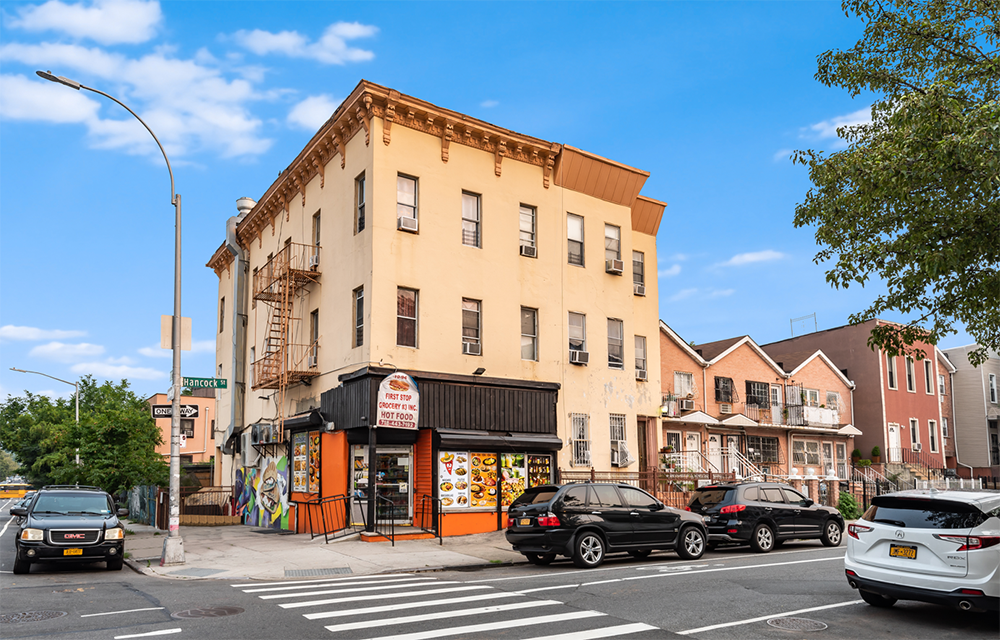
Investment Property Realty Group closes $1.75 million sale of 1094 Hancock Street in Brooklyn
Brooklyn, NY Investment Property Realty Group (IPRG), a New York-based commercial investment firm, has closed the sale of 1094 Hancock St., a mixed-use building in the Bushwick section, for $1.75 million.



Quick Hits

Columns and Thought Leadership

New York’s streets are full again, and the retail numbers prove it - by Noam Aziz
Walk down any New York block this year and you can feel it. The sidewalks are crowded, the storefronts are lit, and the energy that defines this city is back at full volume.

Hunt commercial real estate question and answer: Fortune 500 wisdom - by David Hunt
Yes, there are lessons to be learned from the largest companies in America when comes to managing your real estate. But the decision to buy or lease real estate may not be one of

A guide to finding the right NYC property management company - by Sanjay Gandhi
Being a small to midsize landlord in NYC is an increasingly demanding endeavor. From navigating complex regulations, increased compliance demands to dealing with tenant issues and remediating violations. It is wise to enlist the assistance of a partner, a professional

Hunt CRE question and answer: Choosing a real estate agent - by David Hunt
First, we will only work with one agent exclusively. The primary reason is that we want that agent to legally represent our client’s interests. In New York State, a real estate agent has a fiduciary
.gif)