


 (2).gif)
News:
Spotlight Content
Posted: January 25, 2008
Values will improve as the year goes on and rates should remain relatively low through early 2008
The last quarter of 2007 showed a noticeable slowdown in real estate activity in the New York and New England region in most property categories. It was more pronounced in Upstate New York, western central and north central New England. Of course, part of the slowdown was attributed to the tightening of credit due to the subprime mortgage "crisis." Because of intense scrutiny by federal/state government and substantial loan losses, the availability of credit to commercial projects was reduced.
Rates should remain relatively low through the first part of 2008. Some rising interest rates in late 2008 could put upward pressure on cap rates which will reduce some values. However, the Federal Reserve is unlikely to increase rates during the first quarter of 2008 due to some recent increasing national unemployment statistics. Also, President Bush reportedly may introduce an economic stimulus package at the end of January. Regardless, property values have and will be relatively stable even though there has been a reduction in the availability of credit. The stability in values will also be due to continuing increases in building material costs for new construction and relatively low oversupply of space.
For properties which have substantial long term leases with quality tenants, values will continue to be near the levels of 2007. As an example, class A suburban office properties in smaller metropolitan areas like Albany, Buffalo, Hartford, Rochester, and Springfield will still have general values as high as $90-$150 per s/f. Overall capitalization rates for this category have predominant current ranges of 8.25%-9%. However, for buildings with substantial vacancies and/or with low quality short term tenants the discount will continue to be substantial with general class A prices in secondary regions of Upstate and New England $65-$105 per s/f. The overall rates for lower quality, short term tenants of this property category are predominantly 8.5-9.5%. In good office locations of New York City and Boston the office building sales during 2007 were generally $350-$775 per s/f with predominant overall capitalization rates 5.25-7.5%. Small properties in these areas sell for multiples of these prices per s/f and with substantially lower overall capitalization rates.
Many markets remained relatively stable until the end of 2007. This trend will continue in the first quarter of 2008. There will be a continuing resurgence of niche markets such as loft apartments in secondary markets like Buffalo, Rochester, Syracuse and Albany. Vacancy in these markets have remained in the low range of 5-8%. Of course, in New York City and Boston the multiple family rental markets will continue to be strong. Current apartment vacancies in New York City are less than 5%.
There was an active real estate market during 2007. For example, part of the former Eastman Kodak Elmgrove facility sold for $55 million in the Rochester suburb of the town of Gates for approximately 5,078,899 s/f or $10.83 per s/f. The real estate allocation of a Hampton Inn sold for almost $101,000 per room in Vestal near the city of Binghamton. An approximately 11,300 s/f land parcel sold in the Soho district of Manhattan for approximately $33.367 million or $2,953 per s/f. A bulk purchase in Manhattan of 144 apartments units reportedly sold for $40 million or $277,777 per unit. The mid Hudson city of Newburgh had an approximately 55,156 s/f retail plaza selling for $6.3 million or $114.22 per s/f. An approximately 80,000 s/f class A project in the Rochester suburb, town of Perinton reportedly sold for $9 million or $112.50 per s/f. This represents a discounted price since the major lease will soon be expiring. Upstate New York and secondary metropolitan areas of New England will have a difficult time if interest rates increase substantially and will be very susceptible to value decreases. This is not likely. In summary, real estate values in the region will continue to be on the rise again beginning in the second quarter of 2008.
John Rynne, MAI, SRA is the president and owner of Rynne, Murphy & Associates, Inc., Rochester, N.Y.
Tags:
Spotlight Content
MORE FROM Spotlight Content

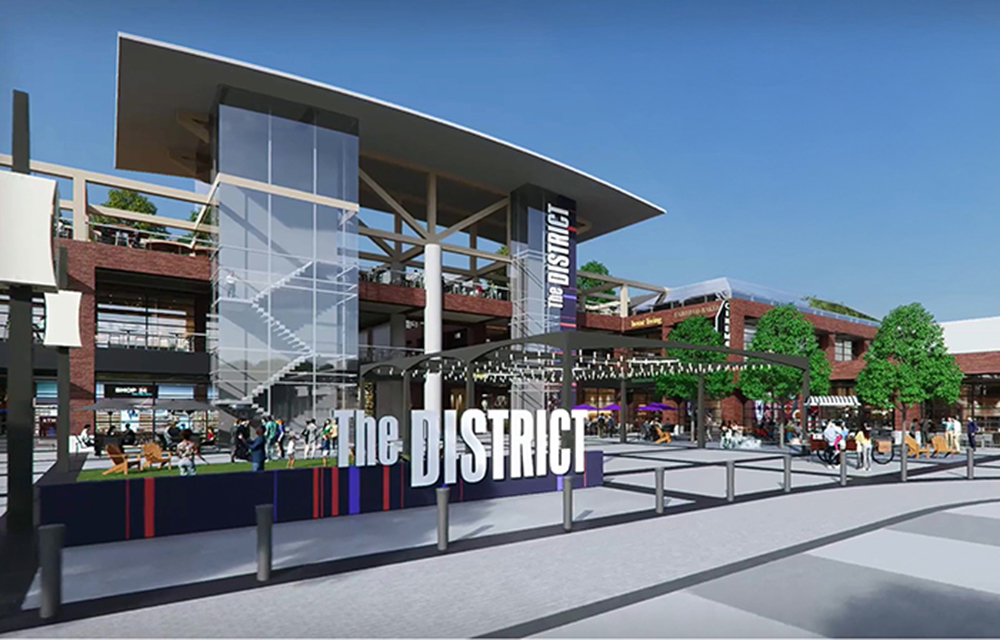
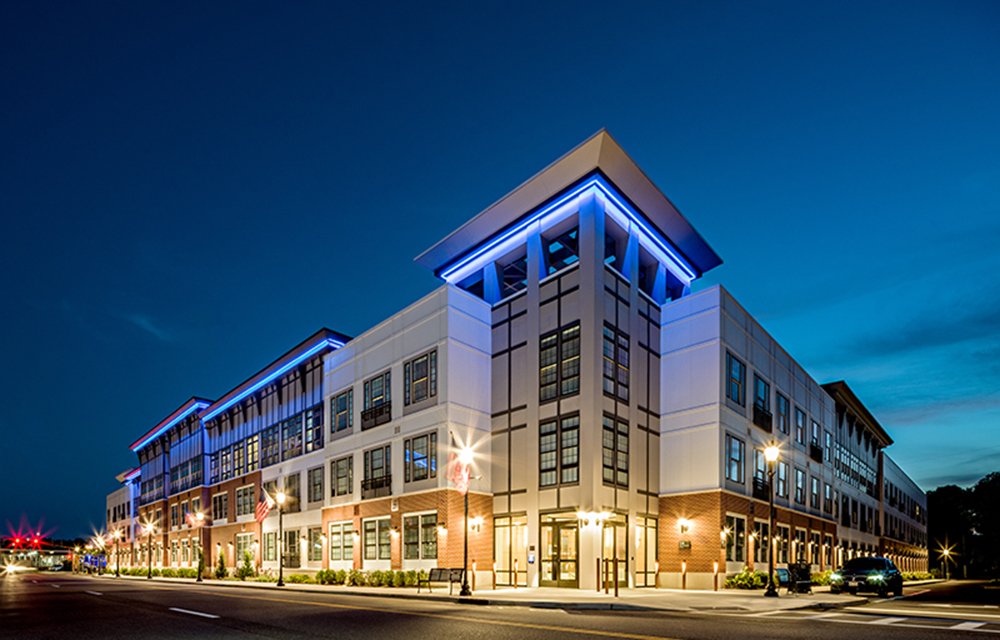
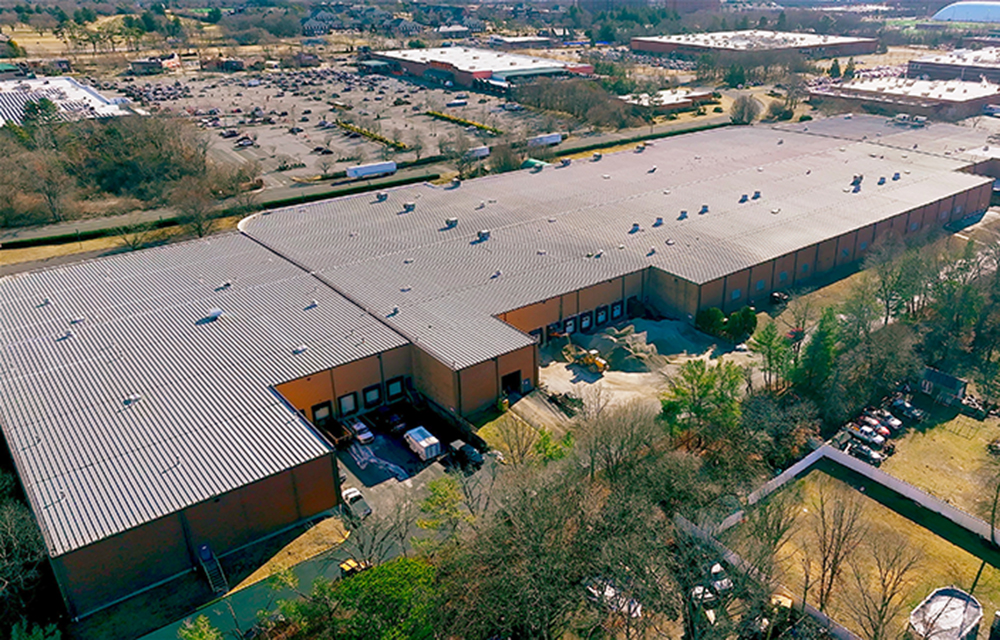
NYREJ's 2026 Developing Long Island Spotlight is here!
This spotlight showcases projects completed and currently under construction across Long Island as well as highlights improvements made to the region through Industrial and Economic Development Agencies and BIDs.

.png)

Quick Hits


Columns and Thought Leadership

CRE Guide Featured Company: Merritt Environmental Consulting Corp.
Merritt Environmental Consulting Corp. (MECC) was established in June of 2009 after being part of a larger engineering firm for almost 20 years. The focus of the company is to assist lending institutions, attorneys, real estate investors, and property owners with environmental concerns. Today, MECC has offices in New York, Florida, and Vermont and has grown into a regional consulting firm serving clients along the East Coast.

From vacancy to vitality: How adaptive reuse is reshaping Long Island’s CRE landscape - by Andrea Tsoukalas Curto
Adaptive reuse has become one of the most important conversations in commercial real estate today. Long Island has a large inventory of aging retail, office and industrial

2026 Developing Queens: Long Island Board of Realtors advances commercial growth and advocacy in Queens
The Long Island Board of Realtors (LIBOR) Commercial Network continues to play a key role in advancing opportunities and strengthening the commercial real estate landscape across Queens. Through targeted programming and global outreach

Properly serving a lien law Section 59 Demand - by Bret McCabe
Many attorneys operating within the construction space are familiar with the provisions of New York Lien Law, which allow for the discharge of a Mechanic’s Lien in the event the lienor does not commence an action to enforce following the service of a “Section 59 Demand”.