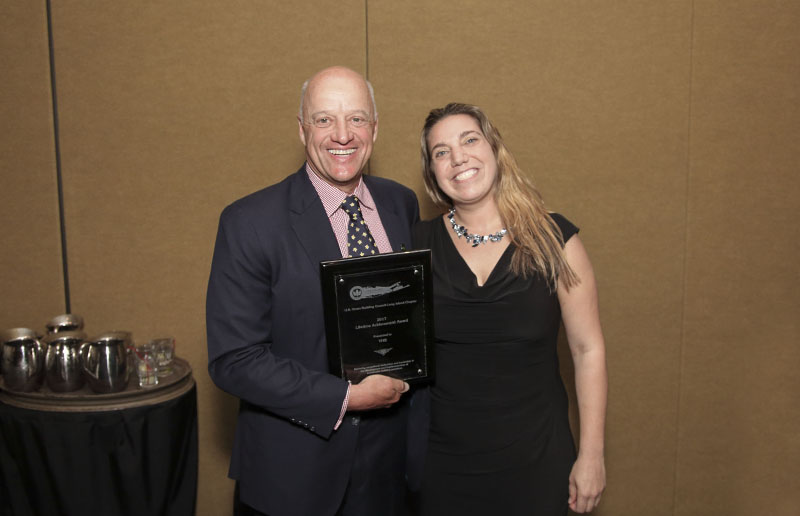
and Courtney Riley, Director of Land Development, VHB.




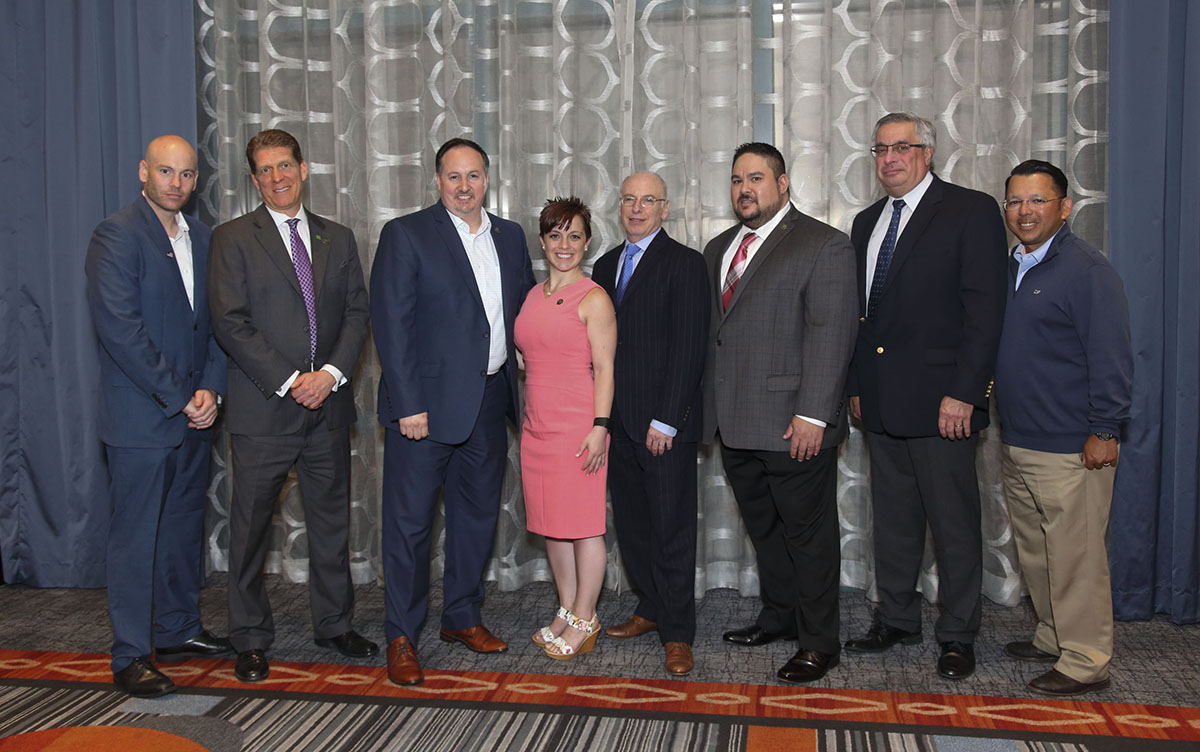
Melville, NY U.S. Green Building Council - Long Island (USGBC-LI), an organization dedicated to encouraging and facilitating sustainable practices on Long Island through advocacy, education and outreach efforts to local municipalities, residents, and building industry professionals, hosted its 10th Annual Building Green Long Island Gala on Tuesday, June 6th at the Hilton Long Island/Huntington.
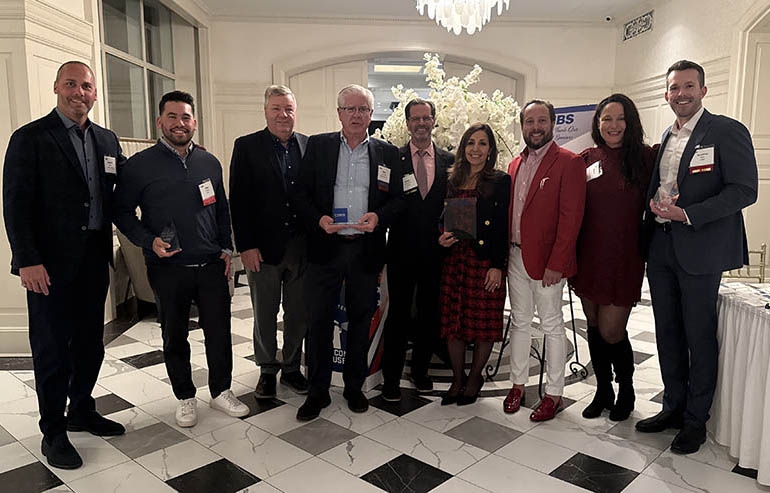
This year the USGBC-LI honored the Sustainability Institute at Molloy College and VHB for their exceptional work in the green sector.
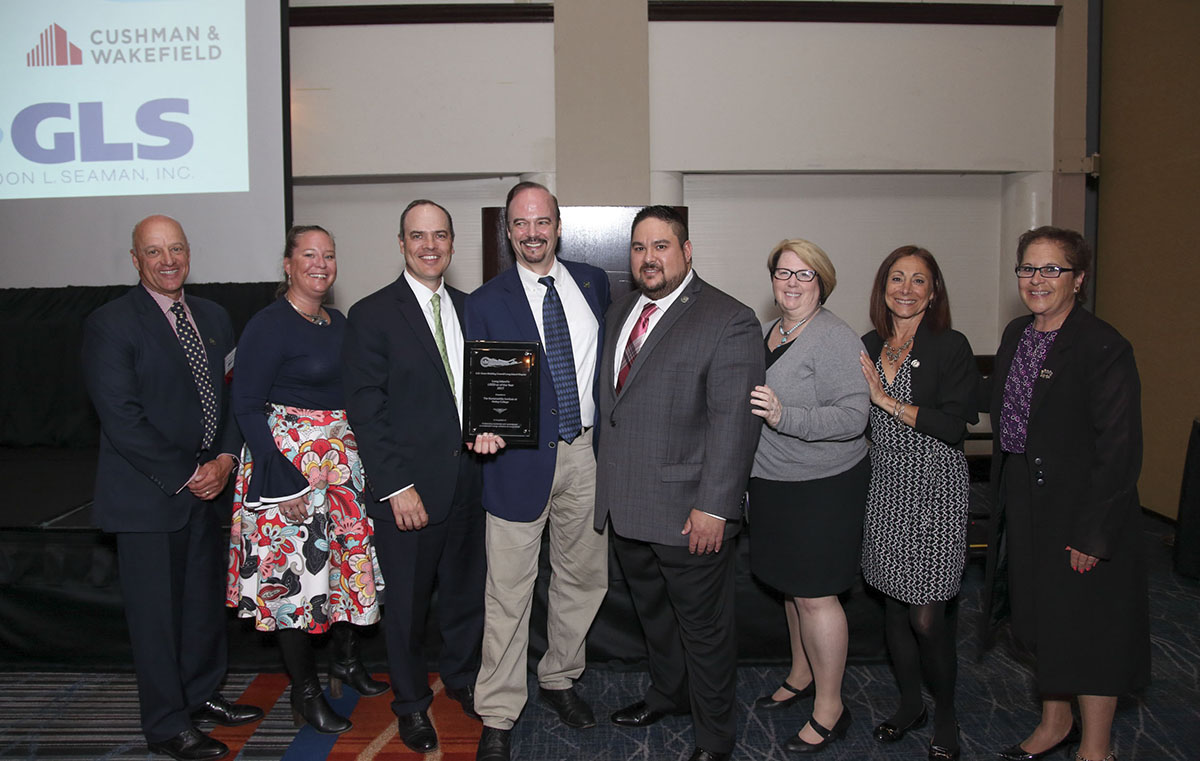
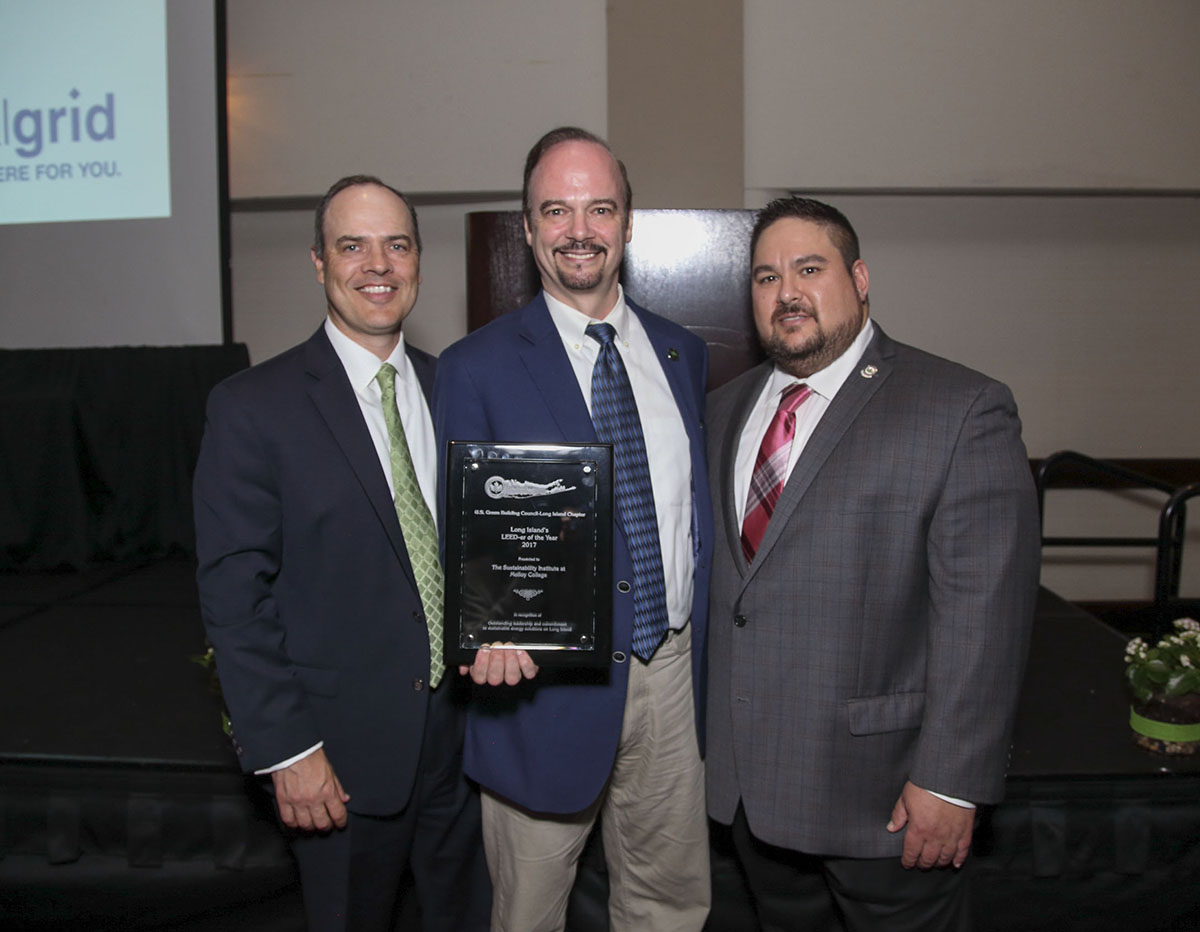
The Sustainability Institute at Molloy College was awarded the USGBC-LI 2017 LEED-er of the Year for their efforts in promoting education both on and off campus focusing on implementing clean energy, reducing environmental toxins, and executing sustainable land use planning.
VHB was given the USGBC-LI 2017 Lifetime Achievement award for their leadership and innovation in the sustainable planning and design of environmental, transportation, and infrastructure systems. VHB incorporates LEED standards into projects for new construction, neighborhood development, and existing building operations and management.
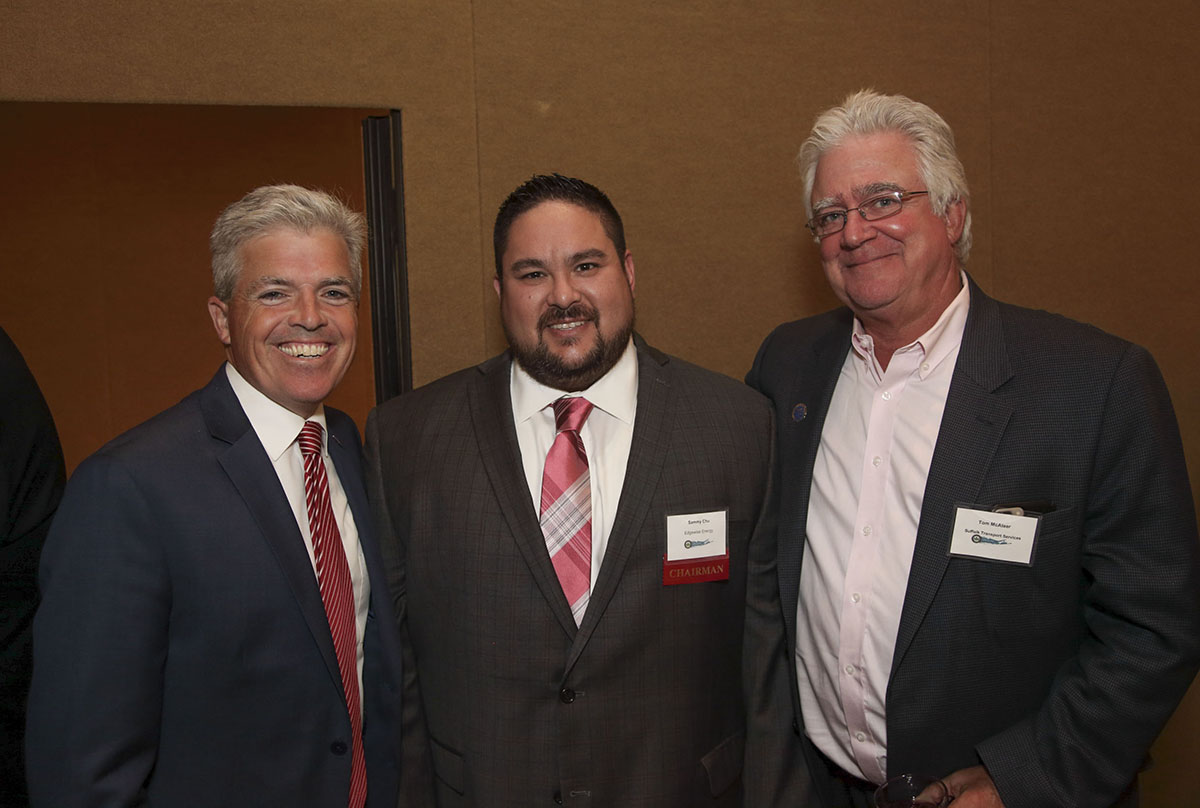
Suffolk County executive Steve Bellone attended the event to show his support for the USGBC-LI, and their continuing efforts to make a more sustainable Long Island.
The 10th Annual Building Green Long Island Gala was attended by many influential green industry professionals, including representatives from PSEG Long Island, E.W. Howell Construction Group and TD Bank.
USGBC-LI is dedicated to encouraging and facilitating sustainable practices on Long Island through advocacy, education and outreach efforts to local municipalities, residents, and building industry professionals. USGBC-LI works to bring these values to the communities of Long Island. The chapter provides educational and outreach programs, reaching local municipalities and code officials while providing local contractors, engineers, and other building industry professionals with the resources they need to incorporate green practices in their projects and work toward LEED certification.



 (2).gif)