



News:
Long Island
Posted: June 16, 2008
The commercial classroom: Negotiating tactics
We are exposed to negotiating tactics every day; we need to be able to understand these techniques, and learn to perhaps use some of them ourselves. Certainly, we must recognize them when they are being used against us, or in negotiations with our clients or customers.
Negotiations only have three outcomes: Lose - Lose, here both sides reach impasse and the deal dies. Lose - Win, one side prevails in the negotiations, but will the loser continue with the deal? Win - Win, a negotiation goal is for each side to feel that they have obtained a fair deal; this usually is a result of compromise by both sides.
Preparing for successful negotiations requires a proper attitude, if one or both sides are adversarial and feel they must win this will be a tough negotiation. As agents we sometimes need to coach our clients and customers "as to how the game is played," that compromise is required. Meet ahead of time, determine what issues are most important, prioritize and determine what can be compromised.
The Wince or Flinch, is a physical movement or facial expression; any negative, stunned or surprised reaction to someone's offer. It says one has a limit. The "surprise" reaction puts pressure on the other party to bend. Wincing or flinching can save you money, it shows you are serious, but the proposed term is beyond your limit. Understand, that you may be on the receiving end of this tactic too.
"Wow, I did not think your commission was so high!"
Silence, can be your strongest negotiating tool. After you have made your point, look directly at the other party, smile and wait. The longer you wait without saying anything the more uneasy the other person will become. If the other party makes an offer or presents a term you don't like, say nothing, sit back and wait. Eventually they will say something to break the silence. It's said, "he/she who speaks first loses."
Most people feel uncomfortable when conversation ceases, and they start talking to fill the void. Almost without fail, they start whittling away at their own position.
Negotiating with someone who employs the same "silence" tactic. You both understand the technique; rather than wasting time in silence, restate your offer or position. Don't make recommendations; just repeat your terms. This forces the other party to respond, usually with a concession.
Limited Authority. The person you are dealing with tells you they must have any deals approved by a higher authority (which may or may not exist). Sometimes this is stated at the beginning of the discussions; other times it is used as a ploy after all or most of the issues have been negotiated. In that case expect the "higher authority" not to approve everything that was agreed in an effort to try to improve their position. "It's out of my hands." - pushing you for a concession.
To counter "limited authority," ask to speak directly with the so-called higher authority. Or ignore the tactic, keep pressing for your contact to accept your position; say "no" further compromises; make them go back to their "higher authority."
Unacceptable Behavior - cursing, screaming, pounding on the table! Socially unacceptable conduct is sometimes used as a negotiating tool. Throwing a fit, foul language, bursting into tears or a physical action is an attempt to get a sympathetic or "fear of loss" concession from the other side. Do not react to such behavior. Wait for the "fit" to calm down.
Remember this is a tactic. Emotional negotiations will cost you! More negotiating tips in the next issue.
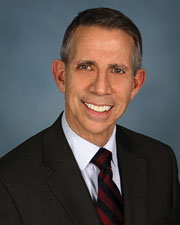
Edward Smith, RECS, is the Long Island metro regional director of Coldwell Banker Commercial NRT, Eastport, N.Y.
Tags:
Long Island
MORE FROM Long Island

Suffolk County IDA supports expansion of A&Z Pharmaceuticals
Hauppauge, NY The Suffolk County Industrial Development Agency (IDA) has granted preliminary approval of a financial incentive package that will assist a manufacturer in expanding its business by manufacturing more prescription (Rx) pharmaceuticals in addition to its existing over-the-counter




 (2).gif)