



News:
Construction Design & Engineering
Posted: February 13, 2012
Ten things to avoid when implementing new software for your real estate business
Readers of this publication receive a lot of advice on the important points to consider when selecting new software for their real estate business. So how about the flip side? Here are some suggestions for what not to do when considering a proposed software upgrade or implementation.
* The "It's an IT Only Project" label. Dispel the perception that an upgrade is conceived, led and delivered solely by information technology. Executive sponsorship is crucial, of course, but something as momentous as an upgrade affects everybody, so all stakeholders need to be involved and consulted from the outset. Moreover, every user is a potential source of excellent ideas for making the upgrade a smooth, painless exercise.
* Scope creep. One little change, another little change, and before you know it your project has morphed into something you barely recognize. This is costly and confusing and guarantees implementation delays. Avoid these pitfalls by making sure your project's objective and scope are clearly defined and universally accepted. If scope changes must be made, manage them very carefully.
* The bleeding edge. Stick to proven systems and avoid untested software providers. Save the trailblazing for your business, not your software upgrade.
* Biting off more than you can chew. Change is difficult, especially when it comes all at once. That's why a phased approach to implementing your new software works best. Break the project into pieces that will both demonstrate progress and allow people to track it.
* Underestimating the impact that upgrading will have on your business processes. You're used to doing things a certain way, and this practice has served you well. But implementing new software by definition means changing those processes, hopefully for the better. That's why it's vital to have a thorough understanding of your current processes and how the new software will impact them. The good news here is that the upgrade represents an opportunity to employ your new software as a process improvement tool.
* Customization. Having your new software suite tailor-made might hold glamour appeal, but be advised that added complexity and cost overruns are a heavy price to pay for prestige. The leading software solutions designed specifically for real estate will meet most real estate companies' needs "out of the box," and might even introduce some better alternatives to what you're accustomed to. It is best to limit customization during the upgrade process, or avoid it altogether. If some degree of customization must be done, minimize the damage by making a business case for it. This measure will ensure that the benefits to your organization and your clients justify the additional costs of developing and maintaining customization.
* Keeping the project secret. A solid employee communication plan is a strategic asset for any business in any industry. Establishing communications processes and putting them into action during your upgrade will breed wide acceptance and understanding. Make sure you have a specific change management communication plan that incorporates all key stakeholders for the duration of the project.
* Converting bad data. Be sure to "cleanse" the data in the legacy system before converting to the new system. This step will spare you the heartache of giving new life to problems that frustrated you in the old system.
* Cutting corners on testing. Creating a well-considered test plan will pay big dividends. This involves making sure all the appropriate project team and end users are involved in pilot and acceptance testing of the software.
* Cutting corners on training. This is another area where going cheap doesn't pay. Make sure you identify everyone who needs training. Develop effective role-based training for each user constituency.
Following these suggestions, along with all the good advice regularly dispensed in New York Real Estate Journal, should help you roll out your implementation with minimum inconvenience.
Joel Nelson is with Yardi Systems, Inc., Santa Barbara, Calif.
MORE FROM Construction Design & Engineering
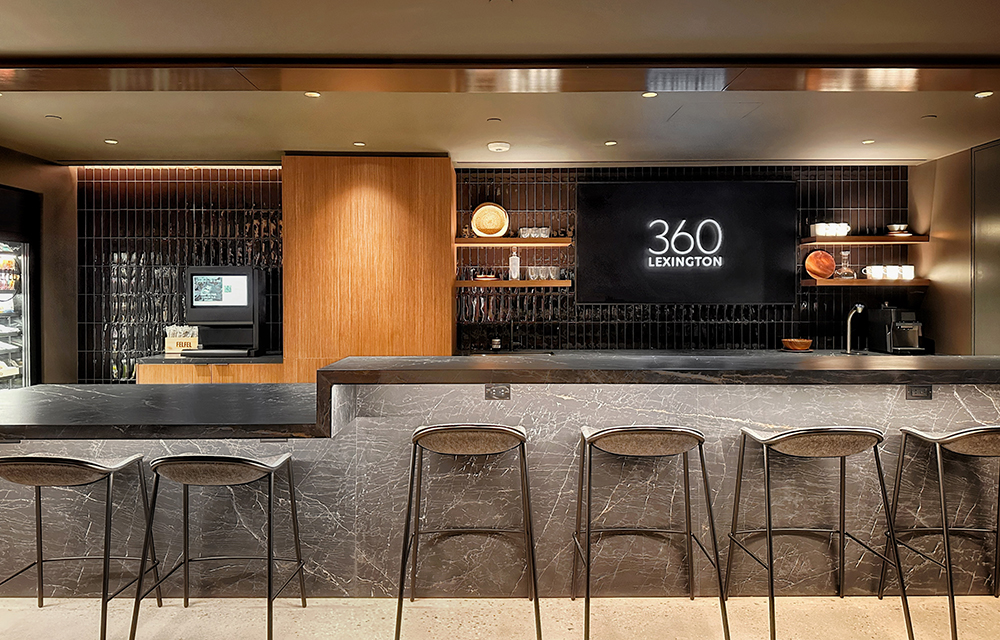
AmTrustRE and MdeAS Architects complete modernization of 360 Lexington Ave. in Midtown
Manhattan, NY AmTrustRE has completed a comprehensive modernization at 360 Lexington Ave. Led by New York-based architecture firm MdeAS Architects, the project reimagines the 268,000 s/f office building as a modern, hospitality-driven workplace designed to meet the evolving needs of tenants.

Quick Hits


Columns and Thought Leadership

We support green construction. Just not this kind - by Tammy Smith
Most people think of St. Patrick’s Day as a fun footnote on the calendar. In construction logistics, however, it’s a full-scale operational variable — especially if your work touches major metro areas with major parades and, let’s call it what it is, enthusiastic celebrants.

The Façade is no longer just a finish. It’s a risk strategy. - by Bentley Zhao
Twelve-billion-dollar weather disasters have already hit the U.S. through the first half of 2026, causing at least $31.9 billion in damage, according to Climate Central, the nonprofit that now maintains the disaster database NOAA discontinued.

Premium experiences, proven returns: The New revenue playbook for sports venues - by Terry McIntyre
Investing in the Fan Experience as a Revenue Strategy The sports and entertainment venues that bet on premium experiences years ago are now seeing those investments pay off in packed seats, increased revenue, and industry recognition.
