


 (2).gif)
News:
Spotlight Content
Posted: December 26, 2011
Ron Gold of Marketing Works
What was your most notable project, deal or transaction in 2011?
My most notable project was putting on the first same sex marriage in New York when it became legal on July 24 at Viana Hotel and Spa in Westbury. This was a great achievement and I'm proud of it.
My greatest accomplishment was the success I have been able to achieve for Lifespire Inc a $100 million non-profit in NYC who felt my prices were too low and my team would not be able to effectively market them and promote. They had been using major PR firms in NYC and not getting results. When I had the opportunity to come back and do their website I did their PR for them at the same time at no extra charge and was rewarded with an annual agreement. Biggest is not always the best and attention from president on a daily basis is always there from me. Customer service is our motto.
My resolutions for 2012 are to continue to get my message out to major companies that they can pay less and get better value by going with a smaller but more focused PR company. I am working towards establishing an office in NYC at some point in 2012 where working with more professional executives are a pleasure.
Tags:
Spotlight Content
MORE FROM Spotlight Content

NYREJ's 2026 Developing Long Island Spotlight is here!
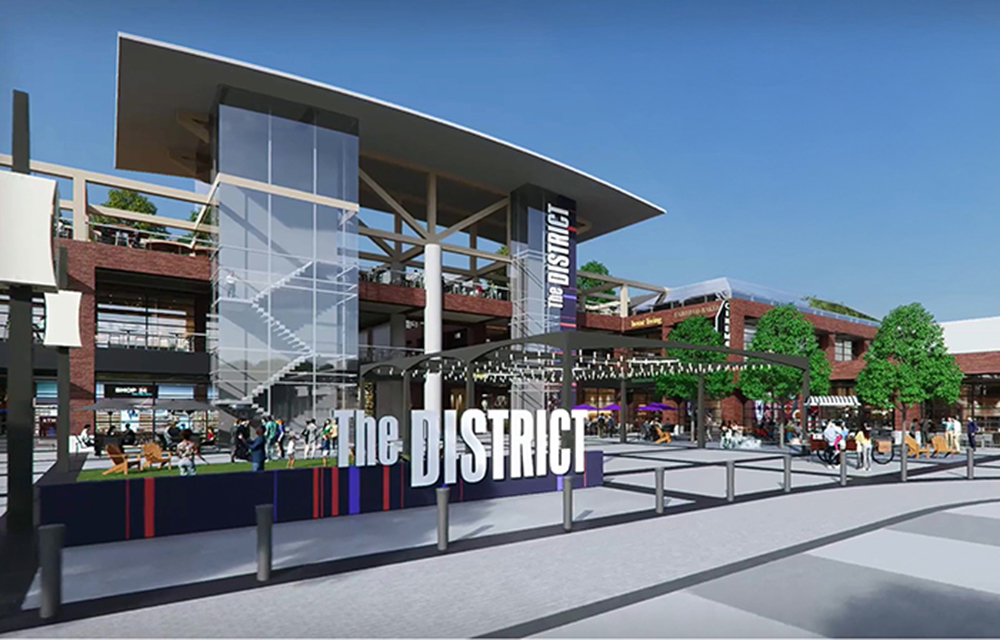
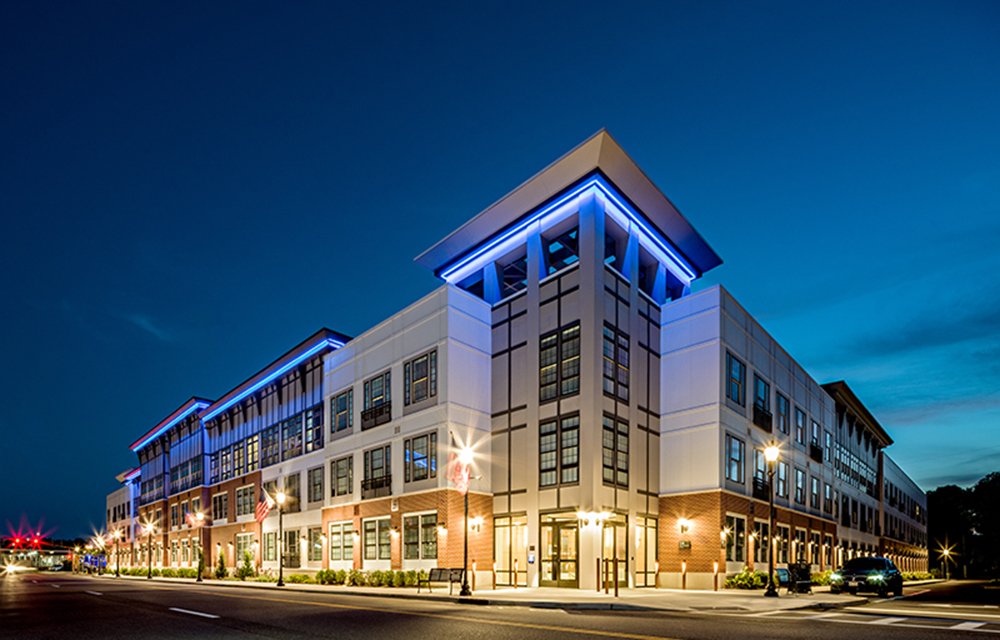
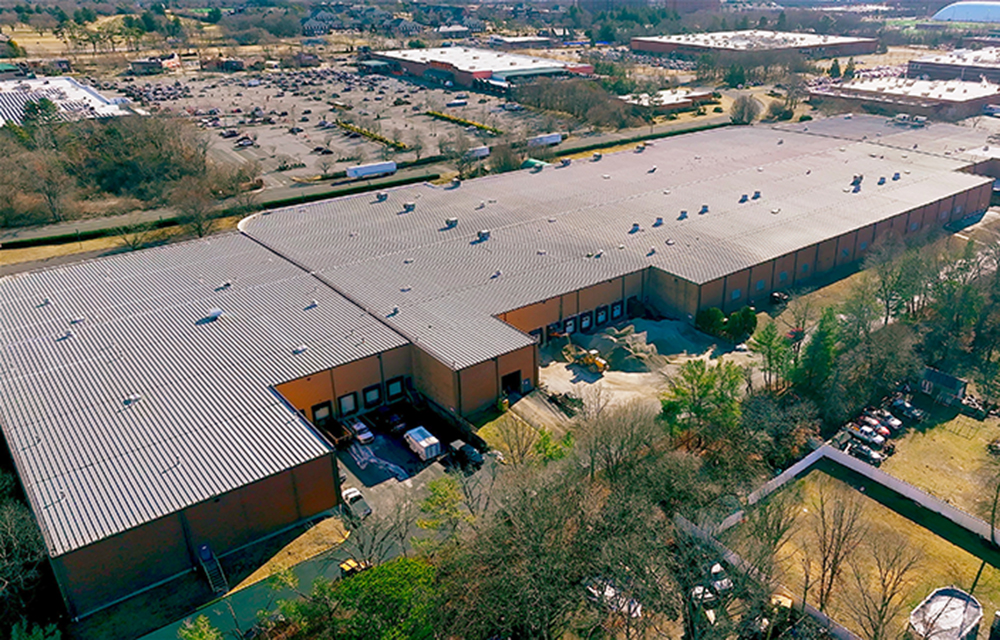
This spotlight showcases projects completed and currently under construction across Long Island as well as highlights improvements made to the region through Industrial and Economic Development Agencies and BIDs.

.png)

Quick Hits


Columns and Thought Leadership

CRE Guide Featured Company: Merritt Environmental Consulting Corp.
Merritt Environmental Consulting Corp. (MECC) was established in June of 2009 after being part of a larger engineering firm for almost 20 years. The focus of the company is to assist lending institutions, attorneys, real estate investors, and property owners with environmental concerns. Today, MECC has offices in New York, Florida, and Vermont and has grown into a regional consulting firm serving clients along the East Coast.

Properly serving a lien law Section 59 Demand - by Bret McCabe
Many attorneys operating within the construction space are familiar with the provisions of New York Lien Law, which allow for the discharge of a Mechanic’s Lien in the event the lienor does not commence an action to enforce following the service of a “Section 59 Demand”.

From vacancy to vitality: How adaptive reuse is reshaping Long Island’s CRE landscape - by Andrea Tsoukalas Curto
Adaptive reuse has become one of the most important conversations in commercial real estate today. Long Island has a large inventory of aging retail, office and industrial

2026 Developing Queens: Long Island Board of Realtors advances commercial growth and advocacy in Queens
The Long Island Board of Realtors (LIBOR) Commercial Network continues to play a key role in advancing opportunities and strengthening the commercial real estate landscape across Queens. Through targeted programming and global outreach