


 (2).gif)
News:
Spotlight Content
Posted: November 25, 2013
Rizzuto of Transwestern: NYC retail always an anomaly
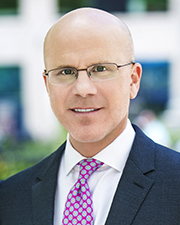
Name: Richard P. Rizzuto (Rick)
Title: Vice President | Northeast Region
Company/Firm: Transwestern
Years with company/firm: 2
Years in field: 7+
Years in real estate industry: 7+
Telephone: 973-947-9204
Email: [email protected]
URL: www.Transwestern.net
Real Estate Associations/Affiliations: CCIM, ICSC
Are retailers finding the types of properties that they want right now and are tenants happy with the sites available to them?
We believe that, yes, many retailers are finding exactly what they want because they are becoming more creative in their thinking about sites, but also hiring more "out-of-the-box" minded brokers to assist, which can have a tremendous impact all around.
In the current economic climate what kinds of deals are out there and who is the typical buyer? Consumer?
In the retail space, there is still a good mix of established and value play real estate though we are finding that it's actually the current owners who are essentially "buying their own centers" by investing in them again and making them much more attractive. They realize that it's either do that or sell. Less and less are looking to actually sell because the market is getting better. Retail size ranges are smaller, but the market is solid.
Generation Y'ers are now staying in the city and the baby boomers are actually returning to the city from the suburbs. How has this affected your business and NYC retail in general?
NYC retail in our opinion is and always will be an anomaly. The city is pretty nimble, there is not much that truly affects it negatively. It's steady and growing in NYC.
What are you hoping to accomplish by attending and/or exhibiting at the show and what is different about this year's show?
We're hoping to continue laying the foundation for Transwestern's presence - retail and otherwise - in the Northeast and our overall capabilities both domestically and internationally. What's different is that people have now been exposed to the brand in the Northeast for two years. They are becoming more familiar with our name, making it easier to explain who we are and what we do.
One year after the devastation of hurricane sandy, the redevelopment of many of New York's damaged areas has shed some light on this disaster with additional plans for expansion in the locations affected by Sandy. How will this affect NY retail and your business in particular?
I think Sandy, as devastating and tragic as it was, has opened the eyes of many people - especially developers, who now see potential where there was "none" before....they just all know that their new construction better be top shelf and able to withstand hurricanes in the future.
How did your company withstand the recession and what changes have you made to grow and succeed during the recovery of the retail market?
Transwestern performed fantastic throughout the entire recession. They remained focused, on course, tried their best to help any families severely adversely affected (internal and external), hired organizationally like- cultured people when no one else was in the hiring mode and kept true to their mission - hire the best in class talent to keep specializing in agency leasing, property and facilities management, tenant advisory, capital markets, development, research and sustainability.
How does your company use social media? Has social media been a beneficial tool in generating more business?
We use it in many ways, from announcing important events - like our revered TrendLines New York event on December 10th - to keeping the world abreast of our agency and tenant exclusives. Social media is a necessary tool and therefore, when used correctly, is beneficial.
Tags:
Spotlight Content
MORE FROM Spotlight Content

2026 Ones To Watch: Innovators In Commercial Real Estate is here!
The New York Real Estate Journal is proud to present Ones to Watch: INNOVATORS IN COMMERCIAL REAL ESTATE, the third installment in our annual Ones to Watch Series. This special section recognizes companies and individuals who are driving innovation, inspiring change, and making lasting impacts within the industry. You can also read about innovative products and services that fuel growth, streamline success, and help business owners achieve their goals.
.png)
.png)

Quick Hits
 (2).gif)

Columns and Thought Leadership

2026 Developing Queens: Long Island Board of Realtors advances commercial growth and advocacy in Queens
The Long Island Board of Realtors (LIBOR) Commercial Network continues to play a key role in advancing opportunities and strengthening the commercial real estate landscape across Queens. Through targeted programming and global outreach

CRE Guide Featured Company: Merritt Environmental Consulting Corp.
Merritt Environmental Consulting Corp. (MECC) was established in June of 2009 after being part of a larger engineering firm for almost 20 years. The focus of the company is to assist lending institutions, attorneys, real estate investors, and property owners with environmental concerns. Today, MECC has offices in New York, Florida, and Vermont and has grown into a regional consulting firm serving clients along the East Coast.

From vacancy to vitality: How adaptive reuse is reshaping Long Island’s CRE landscape - by Andrea Tsoukalas Curto
Adaptive reuse has become one of the most important conversations in commercial real estate today. Long Island has a large inventory of aging retail, office and industrial

2026 Developing Long Island: ERG Commercial Real Estate launches its new Retail Leasing division
North Hempstead, NY ERG Retail Leasing is the dedicated leasing division of ERG Commercial Real Estate, an established full-service commercial real estate brokerage for over 35 years.