



News:
Construction Design & Engineering
Posted: October 18, 2016
Question of the Month: What are two base building upgrades that will improve both building ops as well as cash flow? AND come with a two year payback? - by Crawford
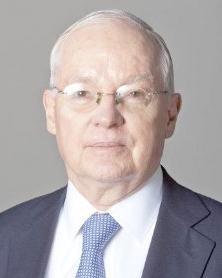 George Crawford, Green Partners
The two building upgrades that meet the criteria of improving both cash flow and building operations and come with a two year payback are:
1. Upgrading to LED lighting.
2. Converting to stand alone domestic hot water production.
Both of these upgrades are included on page 30 of the just released New York City Energy and Water Use 2013 Report as being the most recommended measures to improve energy efficiency with an average investment payback of two years.
However, there is more to this story than just the money. In terms of building operations, converting to stand alone domestic hot water production allows a building to let their boiler rest during warmer months. The advantages of having extended boiler down time include less boiler maintenance for building staff as well as a longer useful life for the boiler itself. The savings that result will come from substantially lower levels of fuel consumption. Operating a boiler for the production of hot water over the summer is very inefficient as compared to a stand alone hot water heater which has fuel efficiencies in the 95% range. On average, these fuel savings will pay for the conversion in approximately two years.
More difficult to quantify is the value of the longer useful life of a boiler. Boiler replacements or even retro-fits are expensive, so while the monetary value of a longer useful boiler life may be hard to quantify, it must be recognized that there is value to adding years of additional service to any existing boiler.
Buildings that are currently producing domestic hot water utilizing their boilers over the summer, should investigate this upgrade.
The second base building upgrade is a conversion to LED lighting. The amount of energy savings that can be realized from a LED conversion can be very significant, even when the retro-fit will include replacing the newer, more energy efficient fluorescent products such as CFLs. It is important to note that with today’s LED lighting quality, name department stores as well as museums and galleries are now converting to LED, so be assured that there is a quality LED lighting solution for any building wishing to upgrade.
There are also significant building operational advantages to a LED upgrade. The longer life of LED products virtually eliminates lamp replacement from the list of building maintenance items that formerly required constant attention as well as the time and cost of purchasing replacement fluorescent and/or incandescent products.
Payback calculations for a LED retro-fit will depend on the lighting products replaced. If the existing lighting to be replaced is primarily incandescent, then the payback period will be shorter than if the lighting to be replaced is primarily fluorescent. Regardless, the payback period for a LED retro-fit is on average two years.
Buildings that have not converted to LED, should investigate this opportunity further. Go to www.GreenPartnersNY.com for additional NY Real Estate Journal articles on LED retro-fits.
George Crawford is the principal of Green Partners, New York, N.Y.
MORE FROM Construction Design & Engineering
New York Building Congress forecasts $10 billion jump in NYC construction spending to nearly $80 billion in 2026
Manhattan, NY The New York Building Congress released its 2026–2028 New York City Construction Outlook Report, projecting $79.8 billion in construction spending by the


Columns and Thought Leadership

The façade is no longer just a finish. It’s a risk strategy. - by Bentley Zhao
Twelve-billion-dollar weather disasters have already hit the U.S. through the first half of 2026, causing at least $31.9 billion in damage, according to Climate Central, the nonprofit that now maintains the disaster database NOAA discontinued.

We support green construction. Just not this kind - by Tammy Smith
Most people think of St. Patrick’s Day as a fun footnote on the calendar. In construction logistics, however, it’s a full-scale operational variable — especially if your work touches major metro areas with major parades and, let’s call it what it is, enthusiastic celebrants.

Premium experiences, proven returns: The New revenue playbook for sports venues - by Terry McIntyre
Investing in the Fan Experience as a Revenue Strategy The sports and entertainment venues that bet on premium experiences years ago are now seeing those investments pay off in packed seats, increased revenue, and industry recognition.
