



News:
Construction Design & Engineering
Posted: October 7, 2011
Property managers are mobilizing with revolutionary technology
Amid the uncertainty of the economic downturn, much of the multifamily market became very conservative. Multifamily property management companies reduced budgets and minimized their investment in operational infrastructure. They adopted new technologies that automated workflows online, sped up processing, reduced paper invoices and checks, and enabled communications and transactions through portals. Some also implemented real-time reporting and business intelligence tools and consolidated property management and accounting with front office solutions in a single platform and database.
Today, companies continue their quest for the latest innovations in property management technology. One of the most dynamic of these technologies is mobile applications. By linking managers to their property management platforms in the field rather than from a stationary computer, mobile technology holds vast promise for the multifamily housing industry.
Mobile goes global
Mobile applications' scope across the economy has already reached staggering proportions. comScore Inc. reported in January 2011 that 234 million Americans 13 years of age and older used mobile devices in the three-month average period ending in November 2010. Connecting to the Web via a mobile device is outpacing personal computers by 2.5 times, as reported in Multi-Housing News online in May 2010.
With mobile applications extending into virtually every aspect of life, a similarly resounding impact on multifamily property owners, managers and renters was inevitable. Already, mobile users are three times more likely to convert to a lease than from a traditional website, as reported in Multi-Housing News online. The mobile revolution in multifamily housing management was made possible by technology providers over the past several years. Virtually every aspect of property management - including online marketing, applications, resident screening, leasing, resident billing, rent payments, supplies procurement and payables processing - could soon be managed from a tablet computer or a smartphone linked to a centralized property management and accounting platform.
New dimensions in
property management
New best practices that could be driven by new mobile technologies include:
* Prospects conducting apartment searches, comparing amenities, viewing floor plans and images and scheduling visits
* Residents managing their profile, viewing their ledgers, submitting work orders, viewing work order status, paying and renewing leases
* Online concierge services for residents
* Leasing agents gaining remote access to the property management platform's prospect workflow and leasing dashboard. They can search for availability, look up site and floor plans, manage guest cards and conduct credit screening
* Managers searching, viewing and approving purchase orders remotely. Assigned purchase order details will be available by number, property or vendor. With proximity to the office no longer a factor, managers could use mobile applications to speed up AP workflow and get cash flow under better control
* Remote access to business intelligence with dashboard-based analytics reports directly available on a handheld device. With touch screens managers could adjust key factors instantly and make important business decisions before returning to the office
* Real-time access to all activities and contact information relating to customers, prospects and the leasing pipeline. Leasing agents and other real estate professionals can send and archive e-mails, review contacts, and update their deal pipeline and leads
* Maintenance and warehouse employees being able to transfer inventory items between locations, receive items against a previously approved purchase order, perform a physical inventory, check out items to a work order, and add new items and UPC codes to the database using handheld, wireless barcode scanning devices
* Maintenance employees having the ability to view work orders, perform the work, record notes and labor, and update work order status, all on their mobile phones
Management,
resident advantages
These best practices offer a glimpse of the value to be gained from mobile access to a property management and accounting platform. Prospective renters will more easily access property listings to search and lease apartments. Leasing agents could show more apartments and be more resident-facing because they can process guest cards and applications on their handhelds while walking the community. Maintenance records will be more accurate because workers could record work orders in the field as they are completed. Managers and executives could approve payables approvals and review performance reports from anywhere in the world on their iPads, iPhones, Droids and BlackBerrys, without opening their laptops.
Mobile technology can help property managers by improving workflow, retention, closing rates and overall customer and employee satisfaction. Almost everything could be done using handheld devices and new products. As the multifamily industry stands poised to benefit from the larger economic recovery, residential property managers seeking a competitive edge may wish to consider the benefits of getting onboard the mobile revolution.
Joel Nelson is with Yardi
Systems, Inc., Santa Barbara, Calif.
MORE FROM Construction Design & Engineering
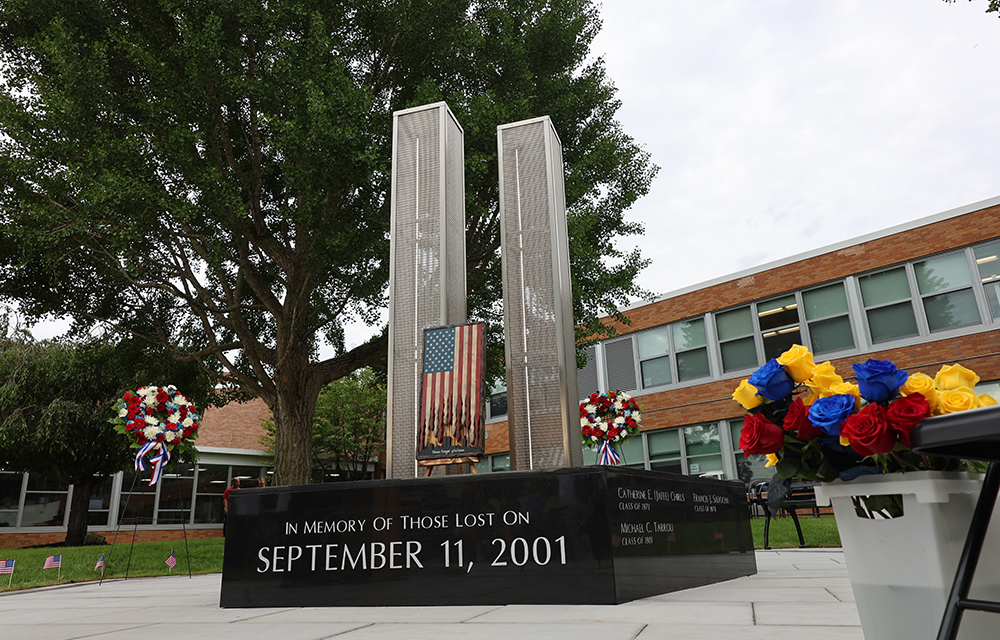
MDS Architecture designs memorial to pay tribute to those lost on September 11
Wantagh, NY A new 9/11 memorial designed as a lasting place of reflection, remembrance and resilience was formally dedicated on September 11, 2026 at Wantagh High School, honoring those who lost their lives in the 9/11 terrorist attacks and ensuring their memory will be carried forward for generations.




Quick Hits


Columns and Thought Leadership

We support green construction. Just not this kind - by Tammy Smith
Most people think of St. Patrick’s Day as a fun footnote on the calendar. In construction logistics, however, it’s a full-scale operational variable — especially if your work touches major metro areas with major parades and, let’s call it what it is, enthusiastic celebrants.

Premium experiences, proven returns: The New revenue playbook for sports venues - by Terry McIntyre
Investing in the Fan Experience as a Revenue Strategy The sports and entertainment venues that bet on premium experiences years ago are now seeing those investments pay off in packed seats, increased revenue, and industry recognition.
