



News:
Spotlight Content
Posted: February 24, 2014
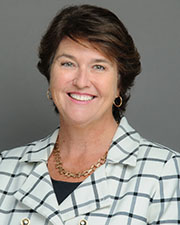
Professional Profile: Heidi Springer, 2014
Name: Heidi Springer
Title: Manager of Economic Development & Market Research
Company: New York Grant Company
Location: 29 Broadway, New York, NY
Birthplace: New York City
Education: Arizona State University - B.S. Sociology, B.S. Urban Planning; Columbia University - Masters in Urban Planning
First job outside of real estate: Various restaurant jobs through high school and college (I've always been a real estate gal!)
First job in real estate or allied field: City of Phoenix, Community Development Intern
What do you do now and what are you planning for the future? I'm thrilled to say I've recently joined the New York Grant Company, an economic development consulting firm. As for the future, I am working hard to bring New York Grant Company's unsurpassed customer service and incentives expertise to growing businesses in the Tri-State area.
How do you unwind from a busy day in real estate? Sharing a home cooked meal with my family!
Favorite book or author: Elena Ferante
Favorite movie: "Raising Arizona"
Last song you purchased/downloaded? "Lightning Bolt" by Jake Bugg
One word to describe your work environment: Familial
Rules to live by in business: Listen well. Exceed expectations
If you could invite one person to dinner (living or dead) who would it be and where would you go? Jane Jacobs at Faiccos
What is your dream job? Running a LDC in my community
Tags:
Spotlight Content
MORE FROM Spotlight Content

2026 Women in Commercial Real Estate: Deborah Smith, The CenterCap Group
What leadership lesson has made the greatest impact on your career? Leadership isn’t about being the smartest person in the room; it’s about creating an environment where the best ideas win.



.png)

Quick Hits
 (2).gif)

Columns and Thought Leadership

2026 Developing Queens: Long Island Board of Realtors advances commercial growth and advocacy in Queens
The Long Island Board of Realtors (LIBOR) Commercial Network continues to play a key role in advancing opportunities and strengthening the commercial real estate landscape across Queens. Through targeted programming and global outreach

Properly serving a lien law Section 59 Demand - by Bret McCabe
Many attorneys operating within the construction space are familiar with the provisions of New York Lien Law, which allow for the discharge of a Mechanic’s Lien in the event the lienor does not commence an action to enforce following the service of a “Section 59 Demand”.

CRE Guide Featured Company: Merritt Environmental Consulting Corp.
Merritt Environmental Consulting Corp. (MECC) was established in June of 2009 after being part of a larger engineering firm for almost 20 years. The focus of the company is to assist lending institutions, attorneys, real estate investors, and property owners with environmental concerns. Today, MECC has offices in New York, Florida, and Vermont and has grown into a regional consulting firm serving clients along the East Coast.

From vacancy to vitality: How adaptive reuse is reshaping Long Island’s CRE landscape - by Andrea Tsoukalas Curto
Adaptive reuse has become one of the most important conversations in commercial real estate today. Long Island has a large inventory of aging retail, office and industrial
September Promotion
