Creative estate planning strategies for real estate owners - by Jacqueline Weimmer
For real estate owners and developers, a successful portfolio represents decades of hard work, some calculated risks, weathering volatile markets, and a considerable portion of their accumulated wealth. However, while they are focused on growing that portfolio, they may overlook what happens to their assets when they are no longer there to manage them.
Though it is an asset just like stocks, bonds, or other investments, real estate comes with unique risks and responsibilities, such as liability exposure, complicated ownership structures, and family dynamics. Failure to properly incorporate real estate holdings into an estate plan can jeopardize the wealth an individual has spent a lifetime building.
The good news is that with a proactive approach, thoughtful planning, and a trusted banking partner, property owners can preserve their assets, provide for their loved ones, and establish a lasting financial legacy.
Protecting Your Assets Beyond the Property
One of the first considerations for any real estate owner should be how properties are owned and structured.
Take a business owner who operates a successful company, but also has a few income-producing residential properties. If someone is injured at one of these homes, would a lawsuit threaten the assets associated with the owner’s business or personal wealth?
Appropriate insurance is essential, but you also need to consider the ownership structure. Depending on the situation, placing properties in separate legal entities like LLCs and incorporating those ownership interests into a larger trust and estate plan may help manage risk and provide more control over how assets are transferred.
Trusts can also guide more than just wealth preservation; for example, keeping a home in the family that has been passed down through generations or protecting a property intended for long-term housing for a loved one with special needs.
Trusts can be structured around an individual’s unique assets and goals. Think of it as a roadmap for the future, with the property owner deciding where that road leads.
Planning for Tomorrow, Not Just the Next Generation
Real estate developers can be hyper-focused on pursuing the next acquisition, development, or investment opportunity, and may overlook the structure of the portfolios they have already built.
No one knows what the future holds, and estate planning is not just preparation for decades down the line. It is imperative to consider what could happen tomorrow.
Would a surviving spouse know how the properties are structured and where the assets are held? Would rental income continue to support the family? Are the next generation of beneficiaries prepared to manage the portfolio, or even interested in doing so?
A relatively straightforward tool is a revocable living trust, which can help establish continuity as an income stream, but upon death, it becomes an irrevocable trust and facilitates the transfer of assets to the next generation.
While a revocable trust does not provide liability protection or estate tax savings on its own, it can be an important piece of an estate plan that helps families prepare for unexpected transitions.
Preserving Wealth Is More Than Passing It Down
To truly preserve wealth for generations to come, you need to do more than just set up a trust. There needs to be education, communication, and an understanding of the responsibilities that come with ownership.
Even substantial family fortunes can disappear over time if there isn’t proper preparation for future generations.
A successful estate plan should include discussions about how properties generate income, how they are managed, and what beneficiaries need to know to make informed financial decisions moving forward.
Also, not every family defines legacy in the same way.
A few years ago, a husband and wife owned a successful business employing dozens of people, initially named Orange Bank & Trust Co., as corporate trustee during their estate planning. They did not have any children, and when discussing what would happen to the company after their deaths, the possibility of selling the business raised an important concern for them: What would happen to their employees?
We worked closely with them to set up an employee ownership strategy where longtime employees would gradually buy the business, while the owners maintained leadership and an income stream, eventually transitioning into consulting roles.
While it wasn’t a real estate transaction, this story is a great example of the fundamental principle of estate planning: The right strategy doesn’t just reflect the value of an asset, but also the properties of the people behind it.
An Estate Plan Is Only as Effective as Its Execution
One of the biggest, and most detrimental, mistakes that I’ve seen property owners make is assuming that just because they have estate planning documents, their assets are protected and accounted for.
Estate plans have to evolve as the person’s financial circumstances change. The acquisition or sale of a property, changes in family relationships, births, deaths, and shifts in business ownership all warrant a review.
This should be a familiar concept for property owners. Buildings require routine inspections, repairs, and ongoing investment to maintain or increase their value. Estate plans need that same attention.
A Lasting Legacy
Whether someone owns a single income-producing property, a family home passed down through generations, or a successful commercial real estate portfolio, the goal cannot be just to protect those assets today. It should be establishing a roadmap that protects opportunities and preserves financial security for tomorrow.
Real estate owners spend years building businesses, acquiring properties, and investing in their communities. Taking the time to develop and regularly revisit a comprehensive estate plan is an investment in ensuring that work continues to benefit the people that matter most.
After all, you’ve spent your life building your family and building your business. Have you connected the two for the future?
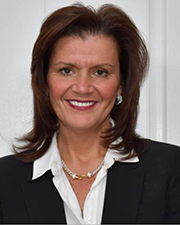
Jacqueline Weimmer is first vice president and director of trust services, Orange Bank & Trust Company, Middletown, NY.