
Realty Advisory Board on Labor Relations presents Proposals to 32BJ
New York, NY The Realty Advisory Board on Labor Relations (RAB) and 32BJ met for the second time to discuss a new collective bargaining agreement for residential building service employees in New York City. 32BJ made its initial proposals to the RAB on Thursday, March 5th, and the RAB responded with its proposals on March 24th.
The RAB proposals include:
• Fair and reasonable wage increases.
• Employees share in the cost of their healthcare premiums.
• Create a “Tier II” classification for those hired under the new collective bargaining agreement.
During the negotiation session, the RAB warned that the industry is confronting existential threats, including the imposition of 0% rent increases on 1 million rent stabilized NYC apartments, which would severely constrain the industry’s ability to provide wage increases.
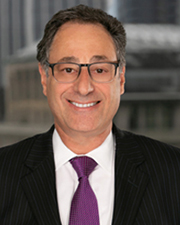
“We have a long history of successful collaboration with 32BJ. To keep the industry strong going forward, we must continue to work together to negotiate a fair contract that ensures its long-term sustainability,” said Howard Rothschild, president of the Realty Advisory Board on Labor Relations.
The current labor agreement, which was negotiated in 2022, covers more than 33,000 residential building service workers, including doorpersons, porters, handypersons and building superintendents, in more than 3,000 residential buildings throughout Manhattan, Brooklyn, Queens and Staten Island. The labor agreement will expire at midnight on April 20, 2026.
An average doorperson or porter earns approximately $62,000 annually, while the total annual cost to the employer exceeds $112,000; for a handyperson, total employer costs exceed $119,000. All employees receive top-of-the-line benefits packages, exceeding those available in virtually all other union and non-union workplaces. These benefits include full family health insurance covering medical, dental, optical, and prescription drug coverage, with no premium contribution from the employee.
32BJ members are part of only 5% of U.S. employees that do not contribute anything for family healthcare premiums. In contrast, the average U.S. employee pays over $6,850 in healthcare premiums for family coverage.
The next negotiating session is scheduled for Monday, March 30th.
The RAB was formed in 1933 as an organization through which employers in the building service industry could bargain with the union. The RAB represents building owners in one of the most unionized industries in New York City and its building service workers are among one of the highest paid in the country.