
What to consider in electrical planning and design for retail locations - by Barbara Whitbread

 Barbara Whitbread, Roland’s Electric, Inc.
In designing a commercial retail space, the best design plans excel at showcasing product, creating moods and aesthetics that influence shopping behavior. The supporting electrical infrastructure is critically important to achieving these goals, which ultimately supports sales and profitability.
A primary consideration is the type of electrical service that comes to the building. Modifications may be needed to ensure proper power distribution, while conforming to code. Notes should be maintained on all changes, modifications, and maintenance with proper labeling and signage for safety. Maintenance contracts with licensed electrical contractors ensure round the clock priority service.
Consider intended locations, access, and types of loads needed for equipment, machinery, visual merchandising, and POP (point-of-purchase) areas. This can include elevators, video screens, electronics, escalators, moving walkways, doors, security systems, public address/paging systems, HVAC, refrigeration, a/v, fire and alarm systems, access controls, lighting, fiber optics, floor receptacles, CCTV, phones, servers, computers, data cabling, safety lighting, fax machines, registers, printers/copiers, appliances, holiday lighting, generators, uninterruptible power supply (UPS), lightning protection, and more. You may need specialized access panels, outlets, or dedicated power.
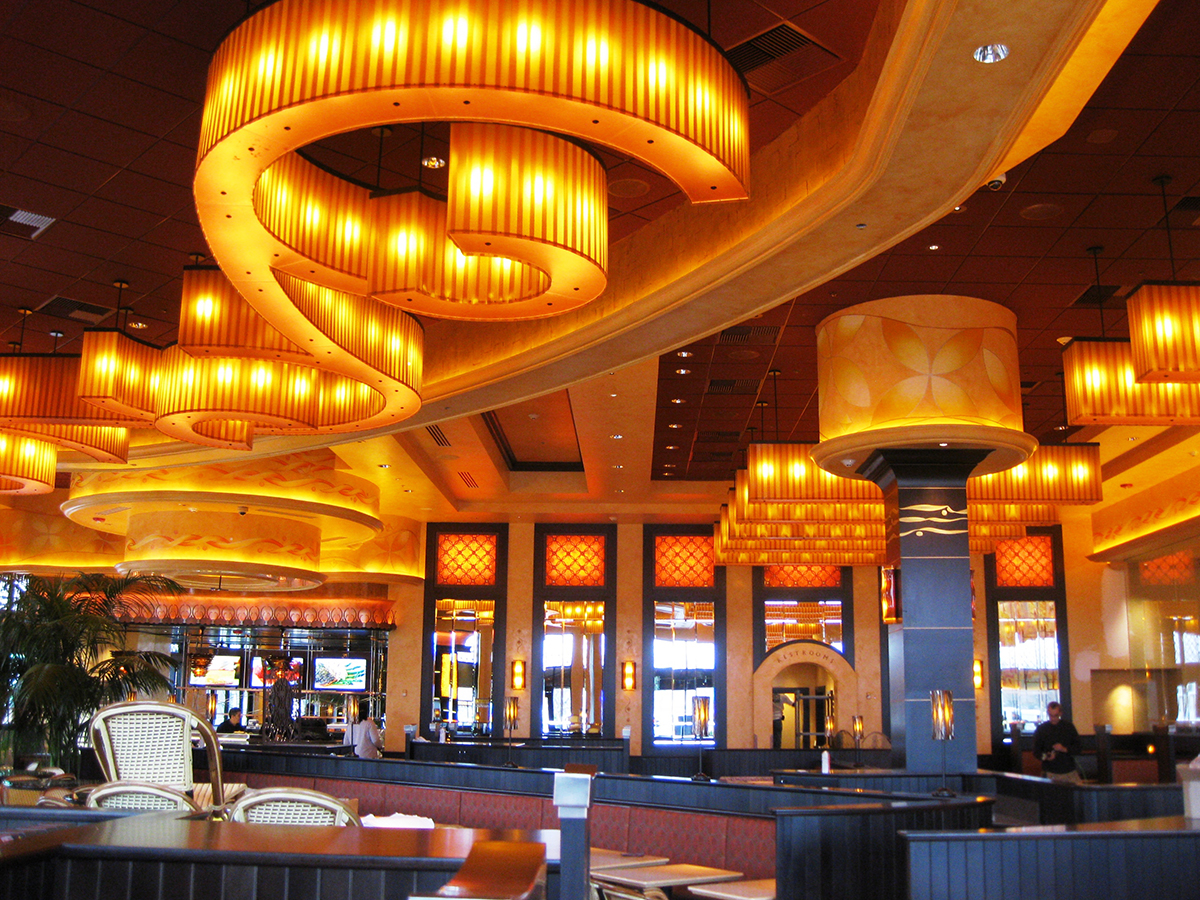
How do you want customers to navigate and shop through the store? Entrances are critically important, enticing shoppers to enter and building expectations. Light transforms, directs, evokes feelings and emotions, and can set a mood that encourages sales. An ideal lighting plan incorporates a mix of fixtures for the best overall effect, with color contrast and balance between lighted areas. Some types include:
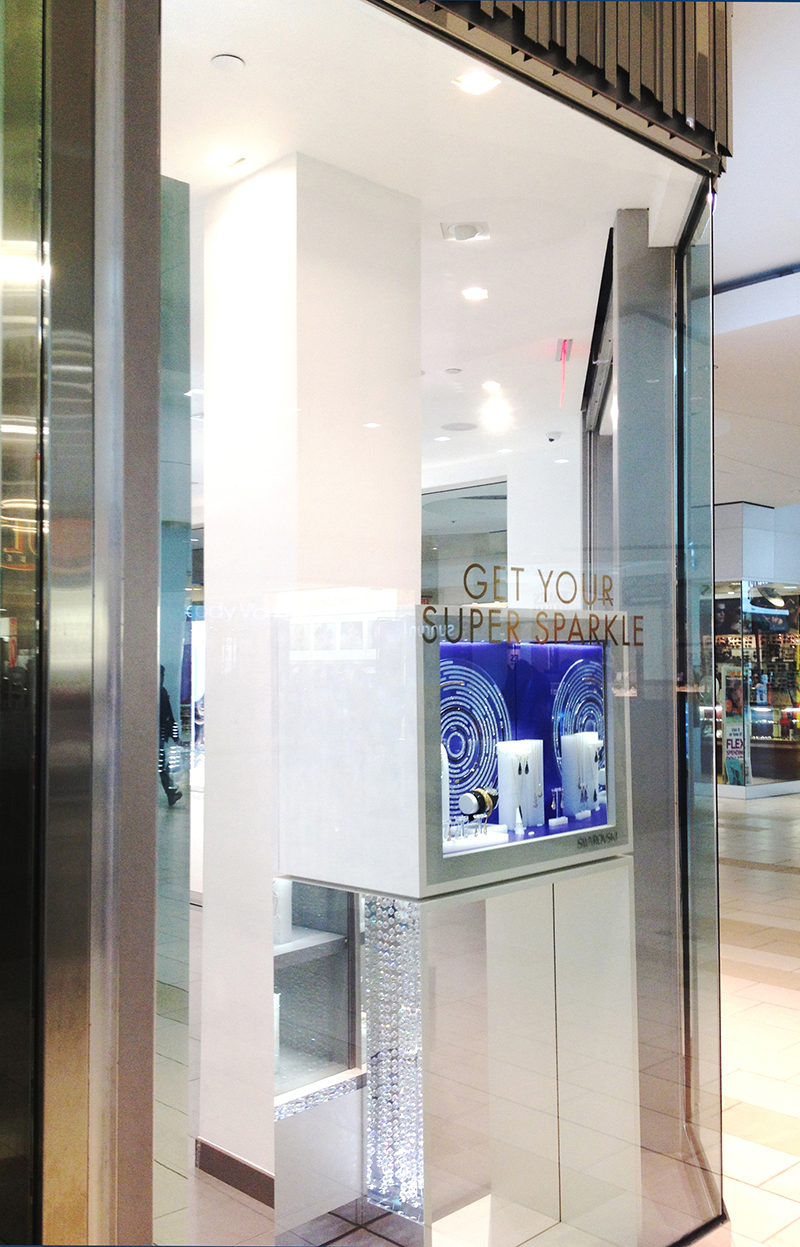
Accent lighting is key to visual merchandising, as brighter focused light attracts and directs customers. Halogens are no longer the only option for beautifully brilliant focused light. Today’s products offer exciting design options and features as well as excellent color rendering.
Architectural lighting adds drama through light and shadows that emphasize and highlight interior and exterior architectural details, art, signage, perimeters, landscapes, and ceilings.
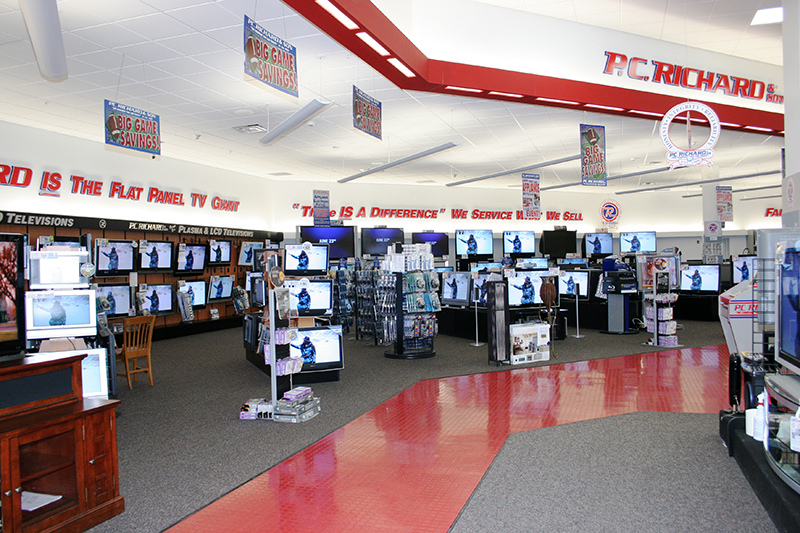
General lighting overhead such as florescent and recessed lights should be spaced at specific intervals to assure consistent light throughout the space, preventing dark shadowy areas that tend to experience lower sales. Placement and style set the tone (ex: end to end rows of fixtures suggest value shopping). LED fixtures offer operational and maintenance cost savings with longer life spans.
Lighting controls are sophisticated and programmable, allowing for remote operation. Automating interior/exterior lighting assures management that stores and lots are properly illuminated at all times - an added benefit being lower costs through energy efficiency.
Sound systems are another way to connect with and engage customers. Expressive music or promotional announcements broadcast in a store can enhance the shopping experience.
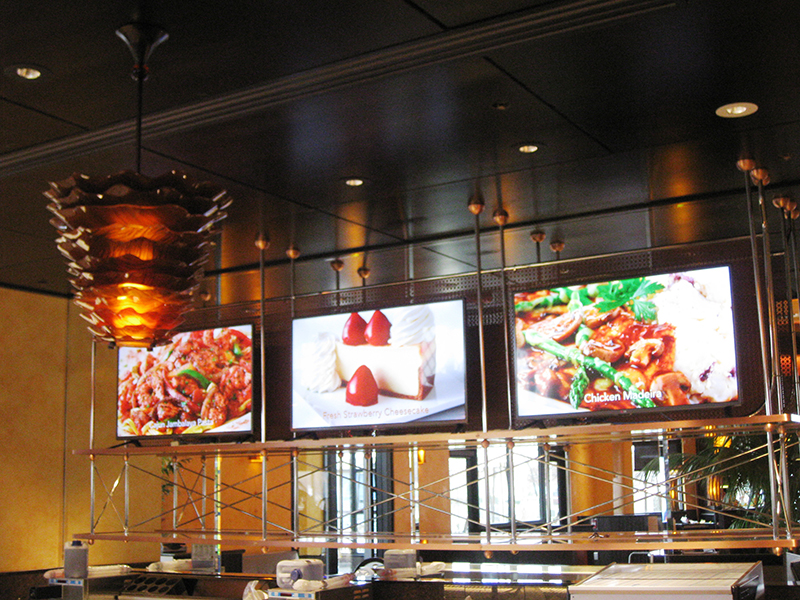
Digital signage and video walls are the latest exciting way to promote digital content in a technology driven society, offering promotions, information, customer interaction, product demonstrations, and suggesting complimentary products. Video walls of multiple screens are visually appealing, dynamic, and versatile. They encourage impulse purchases and can transform a space through multiple or single images or video played across multiple screens. Incorporating digital capabilities is a powerful strategy to engage with and connect with customers.
Top retailers excel at creating exciting shopping environments and emotional connections with their customers. As you can see, careful advance planning of electrical systems with a team that includes a licensed electrical contractor, a lighting/media designer or architect, and an engineer is key to a successful outcome for retail and commercial environments.
Roland’s Electric Inc. is a large full service electrical contractor on Long Island since 1953 – serving commercial, municipal, institutional, industrial, and residential customers located in Nassau and Suffolk Counties. They recently received the 2014 NECA Safety Excellence Award, and Proclamations from both the Suffolk County executive’s office and the Town of Babylon.
Barbara Whitbread is the marketing director at Roland’s Electric, Inc., Deer Park, N.Y.