


 (2).gif)
News:
Spotlight Content
Posted: May 24, 2022
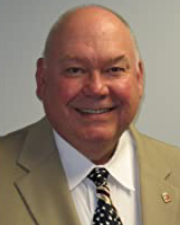
Peter Sayer, Offit Kurman, P.A.
Name: Peter Sayer
Title: Counsel
Company Name: Offit Kurman, P.A.
List 2-3 real estate associations or organizations that you are currently a member of:
- American Bar Association Construction Law Forum
- The Building Owners & Managers Association of New York (BOMA New York)
What led you to your current profession?
My love for buildings in NYC. I am a native New Yorker and have always been fascinated by construction – both old (not necessarily landmarked) and new construction. I have always wanted to be involved in the construction process, and how new buildings (or even older ones that have been re-purposed) can contribute to a community, in terms of esthetic value and functionality.
Who was/is your mentor and how did s/he influence/help you in your career?
I’m fortunate to work with Robert Hermann at Offit Kurman. Well known in the area of construction law, Bob has a wide knowledge of construction contracts, including agreements between owners and contractors, owners and architects and license agreements and he generously imparts his wisdom and experience on both colleagues and students. Through him, I’ve gained significant knowledge of contracts and the necessary provisions on which to focus, including those that pertain to liability and insurance. Equally important, I enjoy working with him!
What recent project, transaction or accomplishment are you most proud of?
I assisted a client with the negotiation and drafting of a comprehensive license agreement to adequately protect his family’s one-family home in Brooklyn as there is construction going on at the adjacent property. This home is not only esthetically beautiful, but also a landmarked property, so it is imperative that the features be protected. In the event it got damaged due to construction next door, the repairs would be costly and require a specialized architect and contractor whose work focuses on historical preservation. It is important to maintain buildings that have historical significance, because when I see them either significantly altered (or demolished), it detracts from the character of the neighborhood. The agreement I drafted provided for more than sufficient protection and reimbursement of all out-of-pocket fees, as well as a fair license fee.
Top three things on your bucket list:
Travel more to exotic places
Tags:
Spotlight Content
MORE FROM Spotlight Content
Participate in Developing New York Featuring Westchester County - November 24, 2026
Choose how you’d like to participate in this edition of NYREJ’s Developing New York series featuring Westchester County.



.png)

Quick Hits


Columns and Thought Leadership

2026 Developing Queens: Long Island Board of Realtors advances commercial growth and advocacy in Queens
The Long Island Board of Realtors (LIBOR) Commercial Network continues to play a key role in advancing opportunities and strengthening the commercial real estate landscape across Queens. Through targeted programming and global outreach

2026 Developing Long Island: ERG Commercial Real Estate launches its new Retail Leasing division
North Hempstead, NY ERG Retail Leasing is the dedicated leasing division of ERG Commercial Real Estate, an established full-service commercial real estate brokerage for over 35 years.

CRE Guide Featured Company: Merritt Environmental Consulting Corp.
Merritt Environmental Consulting Corp. (MECC) was established in June of 2009 after being part of a larger engineering firm for almost 20 years. The focus of the company is to assist lending institutions, attorneys, real estate investors, and property owners with environmental concerns. Today, MECC has offices in New York, Florida, and Vermont and has grown into a regional consulting firm serving clients along the East Coast.

From vacancy to vitality: How adaptive reuse is reshaping Long Island’s CRE landscape - by Andrea Tsoukalas Curto
Adaptive reuse has become one of the most important conversations in commercial real estate today. Long Island has a large inventory of aging retail, office and industrial