



News:
Spotlight Content
Posted: October 7, 2011
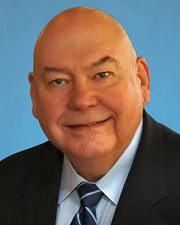
New York City Real Estate Expo Energy Seminar Profile: Tom Torre, Panelist
Name: Tom Torre
Title: CFO & Vice President
Company: METRO Fuel Oil Corp.
Location: Brooklyn, N.Y.
Birthplace: New York, N.Y.
Family: Son, Thomas Jr.; daughter, Nicole
College: St. John's University
First job outside of real estate: Sold pretzels as a 10 year old
First job in real estate or allied field: CPA at Pete Marwick
What do you do now and what are you planning for the future? METRO supplies and delivers bioheat, biodiesel, heating fuel, ultra low sulfur diesel fuel, natural gas and gasoline throughout the New York Metropolitan area and Long Island. Scheduled to open in First Quarter 2012, METRO is building one of the largest state-of-the-art advanced biodiesel production facilities in North America, adjacent to our Brooklyn location.
Hobbies: Tennis, watching sports, reading, playing with my dog, being with friends and family
Favorite book: "The Last Kingdom" by Bernard Cornwell
Favorite movie: "American Beauty"
Person you admire most (outside of family): Any self-made individual
Keys to success: Work hard, but enjoy it so it doesn't feel like work.
If you had to choose another vocation what would it be? Dog walker
Tags:
Spotlight Content
MORE FROM Spotlight Content
The commercial classroom: Capital gains taxes - by Edward Smith
Generally, when you sell the home you live in and any commercial property you own, it may be subject to capital gains taxes. Always, before you take a listing, advise your client to speak to their accountant about



.png)

Quick Hits


Columns and Thought Leadership

CRE Guide Featured Company: Merritt Environmental Consulting Corp.
Merritt Environmental Consulting Corp. (MECC) was established in June of 2009 after being part of a larger engineering firm for almost 20 years. The focus of the company is to assist lending institutions, attorneys, real estate investors, and property owners with environmental concerns. Today, MECC has offices in New York, Florida, and Vermont and has grown into a regional consulting firm serving clients along the East Coast.

2026 Developing Queens: Long Island Board of Realtors advances commercial growth and advocacy in Queens
The Long Island Board of Realtors (LIBOR) Commercial Network continues to play a key role in advancing opportunities and strengthening the commercial real estate landscape across Queens. Through targeted programming and global outreach

2026 Developing Long Island: ERG Commercial Real Estate launches its new Retail Leasing division
North Hempstead, NY ERG Retail Leasing is the dedicated leasing division of ERG Commercial Real Estate, an established full-service commercial real estate brokerage for over 35 years.

From vacancy to vitality: How adaptive reuse is reshaping Long Island’s CRE landscape - by Andrea Tsoukalas Curto
Adaptive reuse has become one of the most important conversations in commercial real estate today. Long Island has a large inventory of aging retail, office and industrial