


 (2).gif)
News:
Spotlight Content
Posted: December 29, 2008
Magnusson Architecture & Planning designs The Melrose Commons Urban Renewal Area
The Melrose Commons Urban Renewal Area in the South Bronx is among the first neighborhoods in the nation to apply for certification as "sustainable," through the U.S. Green Building Council's LEED for Neighborhood Development Pilot Program. In contrast to more suburban "ground up" projects seeking certification, the last fifteen years of change in Melrose Commons have been gradual and incremental. This infill development process, undertaken to revive a 35-block area that was devastated by years of abandonment and neglect, has been spearheaded by Nos Quedamos / We Stay, a community based non-profit group working with architects, planners, private developers, and state and local government agencies.
Following urban design guidelines created with community input in the early 1990s, the revitalization of Melrose has involved the construction of over 2,000 new homes in affordable townhouses and mixed-use apartment buildings with ground-floor retail space, along with a coordinated plan for creating new public open space. Existing buildings have also been preserved and renovated, allowing long-time residents and businesses to remain in the area and participate in the neighborhood's renewal. The original concerns of the community were to promote social and economic sustainability while creating a healthier environment. "My mother, Yolanda Garcia, founder of Nos Quedamos, fought tirelessly to see sustainable design incorporated into each new project in the neighborhood," said Yolanda Gonzalez, now executive director of Nos Quedamos. "Long before Green Design was a hot topic in the industry, we recognized its importance to the life of our community."
Many of the new buildings in Melrose have incorporated specific energy efficient and green components through a variety of incentive programs such as those created by NYSERDA and the Enterprise Foundation. One of the most recent projects, El Jardin de Selene, has been designed to achieve a Silver rating under the LEED For New Construction program. Brownfield remediation measures were also required on many infill sites.
The pilot version of the LEED For Neighborhood Development rating system, developed jointly by the USGBC, the Congress for New Urbanism, and the National Resources Defense Council, integrates the principles of smart growth, new urbanism, and green building into the first national standard for neighborhood planning and design. LEED-ND certification will provide independent, third-party verification that a development's infrastructure, location and design meet accepted high standards for environmentally responsible development. Within this system, credits are awarded for a variety of project features such as the re-use of previously developed sites rather than disturbance of undeveloped land, design and planning that promote pedestrian activity and allow ready access to public transit systems, and the inclusion of a variety of building uses and housing types, affordable to a wide range of residents. Sustainable practices in building construction and neighborhood infrastructure, such as stormwater re-use, are also emphasized.
The Melrose Commons LEED-ND application has been documented by a planning and architectural team that has been working with Nos Quedamos over the last fifteen years: Magnusson Architecture and Planning PC, who designed many of the new buildings in the neighborhood, and Jocelyne Chait, an urban planning consultant with long experience in community advocacy. The application was submitted to the USGBC in November for certification at the Gold Level. Recognition of Melrose Commons as a "LEED neighborhood" will not only raise awareness of what has been accomplished in the South Bronx, but can also help to increase public confidence in the possibility of sustainable redevelopment in other deteriorated urban neighborhoods across the country.
Christine Hunter, AIA, LEED AP, is principal for Magnusson
Architecture & Planning, New York, N.Y.
Tags:
Spotlight Content
MORE FROM Spotlight Content
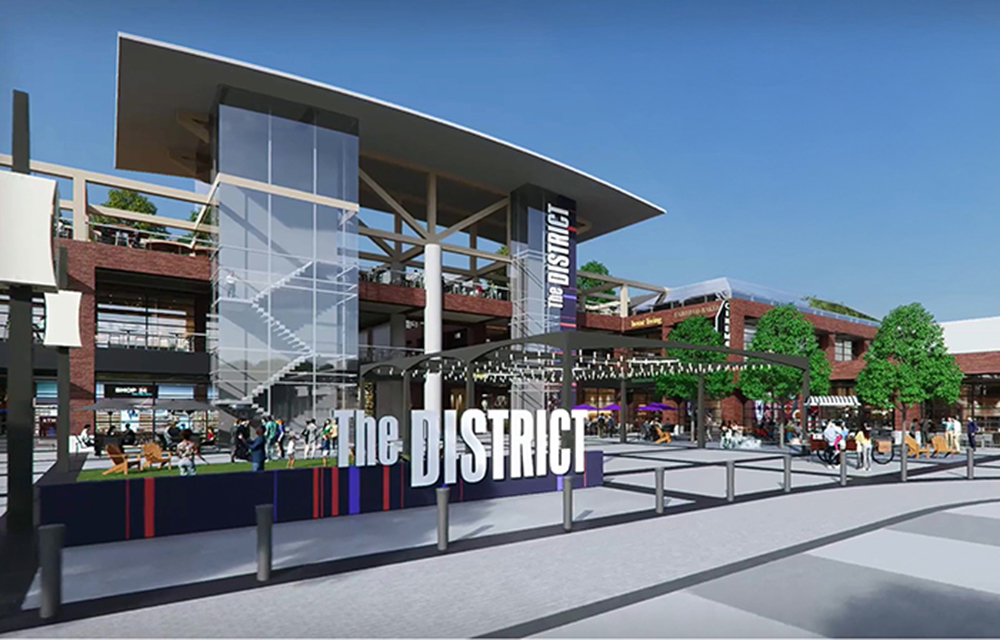
2026 Developing Long Island: The Shops on Broadway
Hicksville, NY The Shops on Broadway is transforming one of Long Island’s most recognizable retail properties into a vibrant new destination. At the heart of the redevelopment is The District, an open-air environment designed by SPECTOR Companies around dining, entertainment, gathering, and community.

.png)

Quick Hits
 (2).gif)

Columns and Thought Leadership

CRE Guide Featured Company: Merritt Environmental Consulting Corp.
Merritt Environmental Consulting Corp. (MECC) was established in June of 2009 after being part of a larger engineering firm for almost 20 years. The focus of the company is to assist lending institutions, attorneys, real estate investors, and property owners with environmental concerns. Today, MECC has offices in New York, Florida, and Vermont and has grown into a regional consulting firm serving clients along the East Coast.

Properly serving a lien law Section 59 Demand - by Bret McCabe
Many attorneys operating within the construction space are familiar with the provisions of New York Lien Law, which allow for the discharge of a Mechanic’s Lien in the event the lienor does not commence an action to enforce following the service of a “Section 59 Demand”.

From vacancy to vitality: How adaptive reuse is reshaping Long Island’s CRE landscape - by Andrea Tsoukalas Curto
Adaptive reuse has become one of the most important conversations in commercial real estate today. Long Island has a large inventory of aging retail, office and industrial

2026 Developing Queens: Long Island Board of Realtors advances commercial growth and advocacy in Queens
The Long Island Board of Realtors (LIBOR) Commercial Network continues to play a key role in advancing opportunities and strengthening the commercial real estate landscape across Queens. Through targeted programming and global outreach
September Promotion
