



News:
Long Island
Posted: May 21, 2012
It's not about buildings...It's about the people
It wasn't that long ago that every article coming from the US Green Building Council, Long Island Chapter was focused on LEED buildings. There was good reason for this. Every member of our chapter understands that LEED is an internationally recognized mark of excellence for buildings, communities and professionals that are transforming the building industry toward energy and water efficiency, better stewardship of our natural resources and a healthier living, working and learning environment. Advocating for buildings to be certified under the LEED rating system will always be an important role for our chapter, but it is equally important to note that while LEED certifies buildings, it's not the building that benefits from a plaque on the wall-people do.
It is doubtful that we would have reason to exist as an organization if our purpose was simply on finding new or better ways for the design, construction, renovation or maintenance of buildings. Our membership spans many ages, backgrounds, professions and political affiliations but we all share a common belief that the direct beneficiary of a LEED certified building is not the building, but the people that live, work or play in them as well as our community and shared natural environment. People benefit from LEED certified buildings.
Evidence of the benefits is all around us. NSLIJ made a conscious decision some years ago that all construction and renovation work will seek LEED certification and has seen a direct benefit to not only the health of its patients but the staff and doctors that spend so much of their life indoors. Students and teachers at the Hampton Bays Middle School (the first LEED certified school in NYS) have seen an increase in test scores and a reduction in absenteeism. Attorney Brian Sahn's law firms' LEED certified office space not only saves energy and money for the firm, but also creates a positive more productive work environment for employees.
This month we are delighted to honor Russell Albanese, chairman of the Albanese Organization at our fifth annual building green long island gala. The Albanese Org. is a privately held, full-service real estate firm dedicated to creating commercial and residential buildings of distinction, quality and architectural merit that optimize value, are environmentally responsible, and enhance the communities in which they are located. The Albanese Org. is widely credited with introducing environmentally advanced urban living to the U.S. Amongst their many achievements are the worlds first LEED certified residential high rise (the Solaire, Battery Park City), Long Islands first LEED certified building (1001 Franklin Ave., Garden City), and very soon they will be breaking ground on Wyandanch Rising, an entire Long Island community designed to LEED for Neighborhood Development standards. The guiding principle from the earliest days before 'green building' even had a name was to create enduring value for both investors and occupants. Building LEED certified buildings, and now communities, ensures that they continue to stay true to the principles the organization was founded on. For the Albanese Org., like every member of our chapter, "it's not about buildings...it's about people."
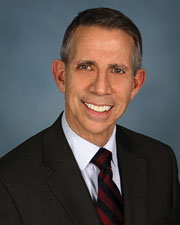
Vince Capogna, LEED AP, is the executive director of US Green Building Council - Long Island and principal of Synergy Green Building Group, Inc., New Hyde Park, N.Y.
Tags:
Long Island
MORE FROM Long Island

Suffolk County IDA supports expansion of A&Z Pharmaceuticals
Hauppauge, NY The Suffolk County Industrial Development Agency (IDA) has granted preliminary approval of a financial incentive package that will assist a manufacturer in expanding its business by manufacturing more prescription (Rx) pharmaceuticals in addition to its existing over-the-counter


Quick Hits
 (2).gif)