BOMA New York: Our responsibility to the next generation - by Sharon Hart
One of the things I have always enjoyed about commercial real estate is that it never stands still. Throughout my career, I’ve watched buildings become more sophisticated, tenant expectations evolve, and technology transform how we manage and operate our properties. Today, artificial intelligence, sustainability requirements, and increasingly complex building systems are creating new opportunities and challenges for our industry.
While the tools we use may change, one thing remains constant: the success of our buildings depends on the knowledge, judgment, and dedication of the people who operate them. That is why I believe we have a responsibility to invest in the next generation of real estate professionals.
Most of us can point to someone who made a difference in our careers. Perhaps it was a manager who took the time to explain not just how something worked, but why it mattered. Or a colleague who shared their experience, offered guidance, or encouraged us to take on a new challenge. Those relationships help shape careers, and I believe it’s important that we provide those same opportunities to the professionals coming up behind us.
At BOMA New York, professional development has long been central to our mission, and we are fortunate to have several programs that support our members at different stages of their careers.
Our educational offerings begin with the Building Owners and Managers Institute (BOMI), established in 1970 to address the need for specialized property management education. Its RPA, FMA, SMT, and SMA designation programs have helped thousands of professionals develop the technical knowledge and management skills essential to our industry. Through BOMA New York, members can participate in six-week evening courses offered in a live virtual format, making continuing education more accessible to working professionals.
We also offer seminars, monthly virtual forums, building tours, and LEED and WELL educational opportunities covering subjects ranging from smart building technologies and sustainability to emergency preparedness and tenant relations. These programs, developed through the efforts of our Professional Development Committee, co-chaired by Roberta Salmon of Rudin Management and Betty Villarreal of Cushman & Wakefield, help ensure our members continue learning as the industry evolves.
Equally important is making these opportunities accessible.
Established in 1988, BOMA New York’s Scholarship Program provides financial assistance for up to eight BOMI courses toward a professional designation, including educational materials, initial examination fees, and applicable processing fees. Applications open this December, with candidates interviewed by our Scholarship Committee, chaired by Gail Duke. Scholarships are available to current members and individuals who become members within one month of receiving an award.
I would encourage every manager reading this article to think about the people on their teams. Is there someone who demonstrates initiative, curiosity, or leadership potential but may not have the resources or encouragement to pursue additional education? Sometimes all it takes is a conversation to help someone recognize an opportunity they might not have considered. Of course, formal education is only part of professional development.
There is a great deal about managing buildings that simply cannot be learned in a classroom. Understanding how to balance the needs of owners, tenants, and employees, knowing how to navigate difficult situations, and developing the judgment to make sound decisions are skills that come with experience.
That is where mentorship becomes so valuable.
Launched in 2024, BOMA New York’s Mentorship Program, led by co-chairs Jeremiah McGinley of George Comfort & Sons and Merlin Pina, connects experienced industry professionals with emerging talent. By pairing members across different companies, the program provides an opportunity to exchange ideas, share experiences, and gain perspectives beyond one’s own organization.
Mentors and mentees meet at least monthly and participate in program events, including a kickoff and graduation. Participation is limited, and both current and retired members are encouraged to become involved. Applications to serve as a mentor are open through December 11.
I particularly appreciate that mentorship is not necessarily a one-way relationship. Experienced professionals have much to share, but we also have a great deal to learn from the next generation. Their perspectives on technology, workplace expectations, and new ways of approaching familiar challenges can be just as valuable to us.
As our industry continues to evolve, we will need professionals who understand the fundamentals of operating real estate while embracing the technologies and practices that will shape its future. Developing those professionals is not solely the responsibility of educational institutions or employers. It is a responsibility we share as an industry.
Before the end of the year, I encourage each of our members to consider one way they can contribute. Recommend a promising colleague for a scholarship, share your experience as a mentor, or simply take the time to help someone on your team grow professionally.
The future of our industry will be shaped by the people we invest in today. I believe that is one of the most meaningful contributions we can make, both individually and through BOMA New York.
For additional information about our educational programs, scholarships, or mentorship opportunities, please contact Tiara Raman, BOMA New York’s director of professional development.
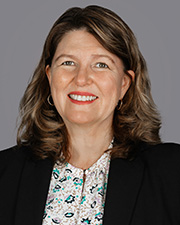
Sharon Hart, RPA, CPM, LEED AP, is chair of BOMA New York.