



News:
Construction Design & Engineering
Posted: February 7, 2011
Improving profitability and process with Lean Construction
A large construction company was recently working on building a hospital in the Midwest when it came upon a common situation that will sound familiar to anyone who has ever worked on the creation of a hospital or hotel: the many patient rooms were, for the most part, structurally identical, requiring structural, electrical, and plumbing components to be replicated hundreds of times within the same project. Looking at this familiar issue, the company did something creative: instead of building the hospital contractor by contractor (build the walls, install the plumbing room by room as you go, likewise with electric), they built a factory a few miles away dedicated solely to the creation of identical hospital rooms as complete units and literally lifted them one by one into the shell of the building as it was being built. This creative procedural method turned a job with an original estimate of 600-650 men on the job to one with an actual maximum of 350. This wasn't a singular idea; it grew out of the principles of Lean Construction.
Most architecture and engineering firms and contractors operate through the same rough model (one that I'll call the "standard model), namely one where a central authority (typically a general contractor or construction manager) manages each subcontract as a separate piece of the puzzle: foundations, drywall, electric, plumbing, etc. These pieces are installed one by one or simultaneously, depending on the relative completion of different parts of the project, but each subcontractor is nevertheless responsible for their own individual segment of the project. This model can be conducive to speedy and efficient building, but it is becoming increasingly clear that a different model (specifically, Lean) is, in many cases, a superior one from the standpoint of product delivery, client value, cost and, ultimately, profitability.
The central idea of Lean Construction is simple: rather than treating subcontractors as different organs individually operated by a central authority, Lean suggests that architects and general contractors analyze a project holistically and from the perspective of a complete team. It encourages a horizontal, rather than hierarchical, decision-making structure that gathers the various subcontractors at the same table from the start of the project to plan and design the most efficient and cost-effective way to perform a job (i.e. a dedicated factory for creating duplicative structural components of a hospital or hotel). These procedural innovations can apply both to tasks large (such as the aforementioned factory) and small (such as having the steel contractor install plumbing hooks when building the structure's framework, rather than having the plumbing contractor do so after the fact).
When utilizing such a model, there is often an increase in the time that it takes to complete a job, due to the increased number of cooks in the kitchen and the reorganization of duties among subcontractors on a job-to-job basis. This may sound counterintuitive to an architect or GC who prides him/herself on the efficiency with which they work, but the accompanying benefits are potentially tremendous, especially from a client's standpoint. By approaching the job holistically, you can find the most effective ways to create a valuable piece of work that best fulfill your clients' goals for approaching you to build in the first place. Moreover, this model allows you to better estimate, measure, and complete practical work goals and reliably anticipate the flow of a project. In this way, whatever Lean Construction loses in speed, it more than makes up for in stability, reliability, and value.
If you find your work orders to be unpredictable, scattershot affairs with a lack of communication between subcontractors, or if you're just looking for a model that encourages innovation and holistic product delivery, Lean Construction could very well be right for you.
Robert Brewer, CPA, CCIFP is an audit partner at Grassi & Co., CPAs, Jericho, N.Y.
MORE FROM Construction Design & Engineering
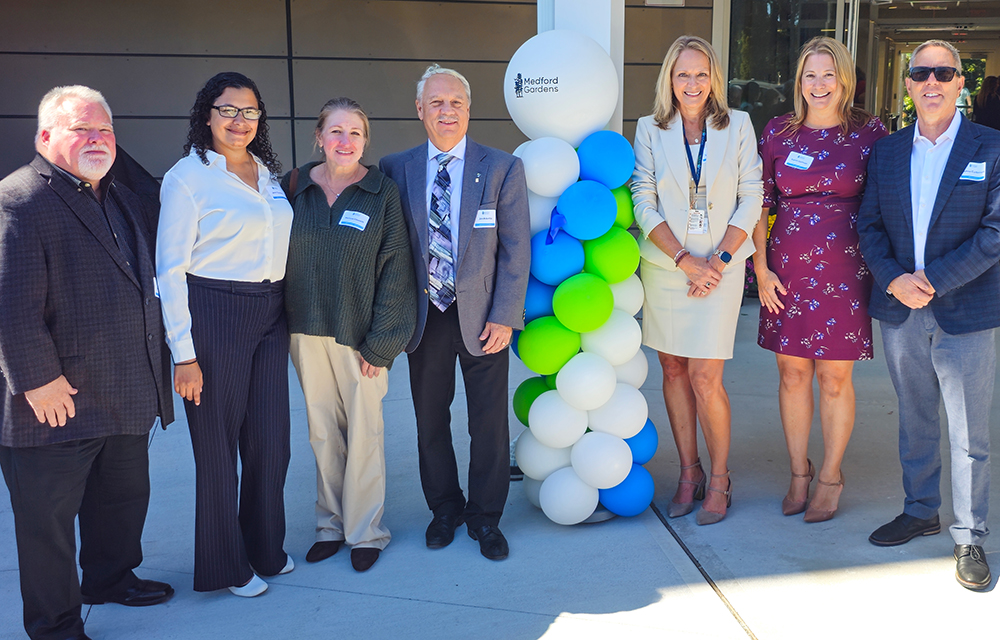
WellLife and H2M celebrate new senior housing Medford Gardens provides affordable housing for renters 55 and older
Medford, NY H2M architects + engineers (H2M) joined WellLife Network, along with state and local officials, housing advocates, and project partners, to celebrate the grand opening of Medford Gardens, a new affordable and supportive



Columns and Thought Leadership

We support green construction. Just not this kind - by Tammy Smith
Most people think of St. Patrick’s Day as a fun footnote on the calendar. In construction logistics, however, it’s a full-scale operational variable — especially if your work touches major metro areas with major parades and, let’s call it what it is, enthusiastic celebrants.

The Façade is no longer just a finish. It’s a risk strategy. - by Bentley Zhao
Twelve-billion-dollar weather disasters have already hit the U.S. through the first half of 2026, causing at least $31.9 billion in damage, according to Climate Central, the nonprofit that now maintains the disaster database NOAA discontinued.

Premium experiences, proven returns: The New revenue playbook for sports venues - by Terry McIntyre
Investing in the Fan Experience as a Revenue Strategy The sports and entertainment venues that bet on premium experiences years ago are now seeing those investments pay off in packed seats, increased revenue, and industry recognition.
