


 (2).gif)
News:
Spotlight Content
Posted: August 8, 2011
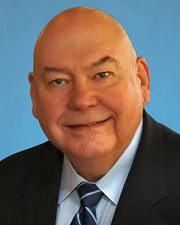
Gordon of Admiral Real Estate Services receives CoStar Power Broker Award
According to Admiral Real Estate Services Corp., Jonathan Gordon has been recognized as a CoStar Power Broker by CoStar Group. This annual award recognizes the "best of the best" in commercial real estate brokerage by spotlighting the U.S. firms and individual brokers who closed the highest transaction volume in commercial property sales or leases for the entire year of 2010 in their respective market.
As the largest professional research organization serving the commercial real estate industry, CoStar is uniquely positioned to identify the top firms and brokers in each market throughout the U.S. All awards are based on transaction data in CoStar's commercial real estate database, the largest, independently researched database of commercial real estate property information available online.
Gordon qualified as one of the top retail brokers in the Westchester / Connecticut commercial real estate market based on the total leasing transactions he closed during the year. In order to be selected for this honor, Gordon was measured against commercial real estate brokers active in the region by CoStar Group and subsequently ranked among the top brokers in the market.
"CoStar Group is very proud to recognize the select few commercial real estate brokerage firms and brokers who performed at the industry's highest level and achieved remarkable sales and leasing success in 2010," said CoStar Group founder and CEO Andrew Florance. "These top performers truly represent the best of the best in commercial real estate, and they deserve to be recognized for their proven deal-making abilities. We congratulate Jonathan Gordon on his impressive professional accomplishment."
Admiral Real Estate Services Corp is a full-service leasing, property management and advisory firm. Based in Westchester, the company currently leases and/or manages over 75 retail, office, residential and development properties in the New York metropolitan area.
Contact: Jonathan Gordon
(914) 779-8200 x115
[email protected]
www.admiralrealestate.com
Tags:
Spotlight Content
MORE FROM Spotlight Content
The commercial classroom: Capital gains taxes - by Edward Smith
Generally, when you sell the home you live in and any commercial property you own, it may be subject to capital gains taxes. Always, before you take a listing, advise your client to speak to their accountant about




.png)

Quick Hits
 (2).gif)

Columns and Thought Leadership

From vacancy to vitality: How adaptive reuse is reshaping Long Island’s CRE landscape - by Andrea Tsoukalas Curto
Adaptive reuse has become one of the most important conversations in commercial real estate today. Long Island has a large inventory of aging retail, office and industrial

2026 Developing Long Island: ERG Commercial Real Estate launches its new Retail Leasing division
North Hempstead, NY ERG Retail Leasing is the dedicated leasing division of ERG Commercial Real Estate, an established full-service commercial real estate brokerage for over 35 years.

CRE Guide Featured Company: Merritt Environmental Consulting Corp.
Merritt Environmental Consulting Corp. (MECC) was established in June of 2009 after being part of a larger engineering firm for almost 20 years. The focus of the company is to assist lending institutions, attorneys, real estate investors, and property owners with environmental concerns. Today, MECC has offices in New York, Florida, and Vermont and has grown into a regional consulting firm serving clients along the East Coast.

2026 Developing Queens: Long Island Board of Realtors advances commercial growth and advocacy in Queens
The Long Island Board of Realtors (LIBOR) Commercial Network continues to play a key role in advancing opportunities and strengthening the commercial real estate landscape across Queens. Through targeted programming and global outreach