


 (2).gif)
News:
Spotlight Content
Posted: November 15, 2016
Glass of Brick Capital arranges $11.5 million; Niblock of Brick brokers $2.45 million
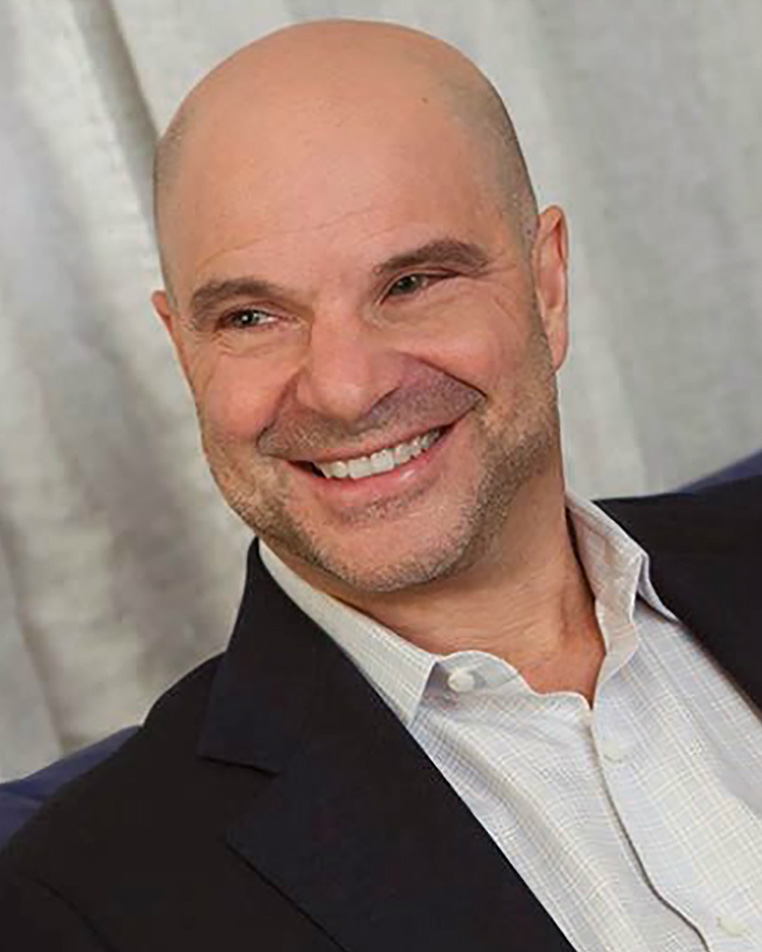 Eric Roth, Brick Capital Partners
Queens, NY Brick Capital Partners has completed the following deals:
Through an affiliate entity, Brick funded an $11.5 million acquisition loan for a local real estate investor’s purchase of two retail properties located on Broadway and Steinway St. in the Astoria neighborhood.
Despite having multiple offers from other bridge loan providers, some offering greater loan proceeds, the borrower opted to close with Brick, according to managing member Eric Roth.
 George Niblock, Brick Capital Partners
“The purchaser had the utmost confidence that we would be able to complete our due diligence and close the loan within two weeks in order to meet its time of the essence requirement.”
Andrew Glass was the broker who arranged the financing on the borrower’s behalf.
Through an affiliate entity, Brick funded a $2.45 million mezzanine loan to a local real estate investor. The loan was closed within 10 days of the borrower’s application. The collateral, is located Manhattan’s Greenwich Village. George Niblock, a managing partner, arranged the financing.
Tags:
Spotlight Content
MORE FROM Spotlight Content

The commercial classroom: 1031 tax-deferred exchanges - by Edwad Smith Jr.
The sale of real estate may trigger capital gains taxes on the net profits of that sale. These taxes may be deferred by participating in a 1031 tax exchange, in essence, by purchasing property(s) to replace the




.png)

Quick Hits
 (2).gif)

Columns and Thought Leadership

From vacancy to vitality: How adaptive reuse is reshaping Long Island’s CRE landscape - by Andrea Tsoukalas Curto
Adaptive reuse has become one of the most important conversations in commercial real estate today. Long Island has a large inventory of aging retail, office and industrial

2026 Developing Queens: Long Island Board of Realtors advances commercial growth and advocacy in Queens
The Long Island Board of Realtors (LIBOR) Commercial Network continues to play a key role in advancing opportunities and strengthening the commercial real estate landscape across Queens. Through targeted programming and global outreach

2026 Developing Long Island: ERG Commercial Real Estate launches its new Retail Leasing division
North Hempstead, NY ERG Retail Leasing is the dedicated leasing division of ERG Commercial Real Estate, an established full-service commercial real estate brokerage for over 35 years.

CRE Guide Featured Company: Merritt Environmental Consulting Corp.
Merritt Environmental Consulting Corp. (MECC) was established in June of 2009 after being part of a larger engineering firm for almost 20 years. The focus of the company is to assist lending institutions, attorneys, real estate investors, and property owners with environmental concerns. Today, MECC has offices in New York, Florida, and Vermont and has grown into a regional consulting firm serving clients along the East Coast.