



News:
Spotlight Content
Posted: February 27, 2013
Felenstein promoted to director of sales at Halstead Property
According to leading real estate firm Halstead Property, Tammy Felenstein has joined the executive team of Halstead Property as the director of sales. In her new position, Felenstein is responsible for both the strategic growth of the office as well as the day-to-day management of more than 20 realtors.
"I am thrilled to welcome Tammy to our executive team. For the last few years, she has been a top Realtor in our Stamford office and she was the absolutely perfect fit to lead the office as a result of her 17 years of experience. I know that under her guidance, our Stamford presence will strengthen and flourish," said Diane Ramirez, president of Halstead Property.
Prior to joining the executive team, Felenstein was a leading realtor with Halstead Property. For the last two years, she served as president of the Stamford Board of Realtors and was named Stamford's Realtor of the Year this past November. An active member of the real estate community, she has held the positions of vice president and treasurer on the Stamford Board of Realtors as well as chaired and co-chaired many committees including ethics, nominations and community outreach. She has been a director of the State of Connecticut Association of Realtors since 2006, as well as a director on the local level since 2005. She also sits on the Professional Standards Committee of the State's Association of Realtors.
Tags:
Spotlight Content
MORE FROM Spotlight Content

NYREJ's 2026 Developing Long Island Spotlight is here!
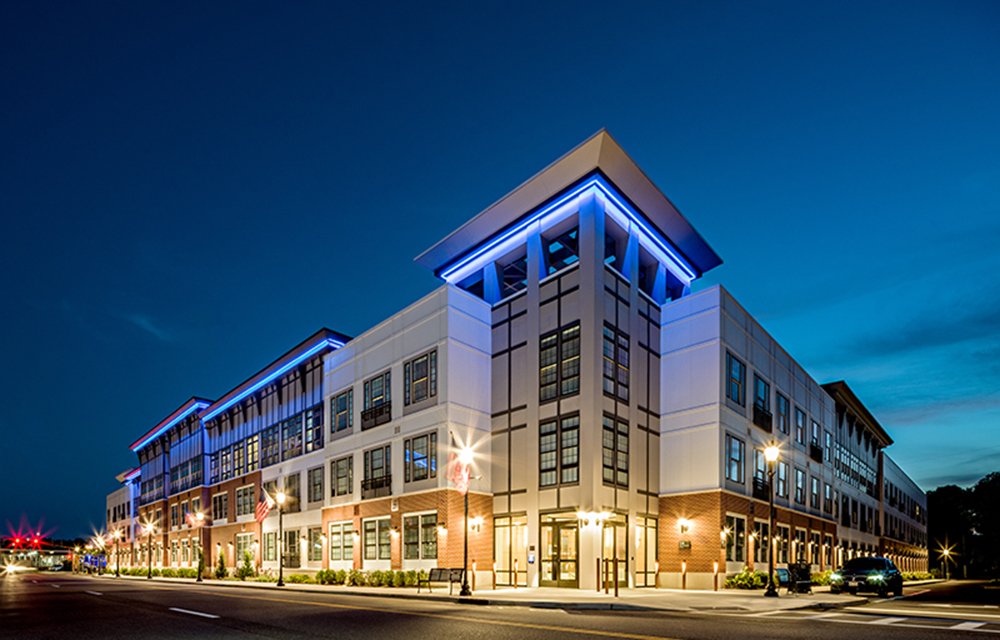
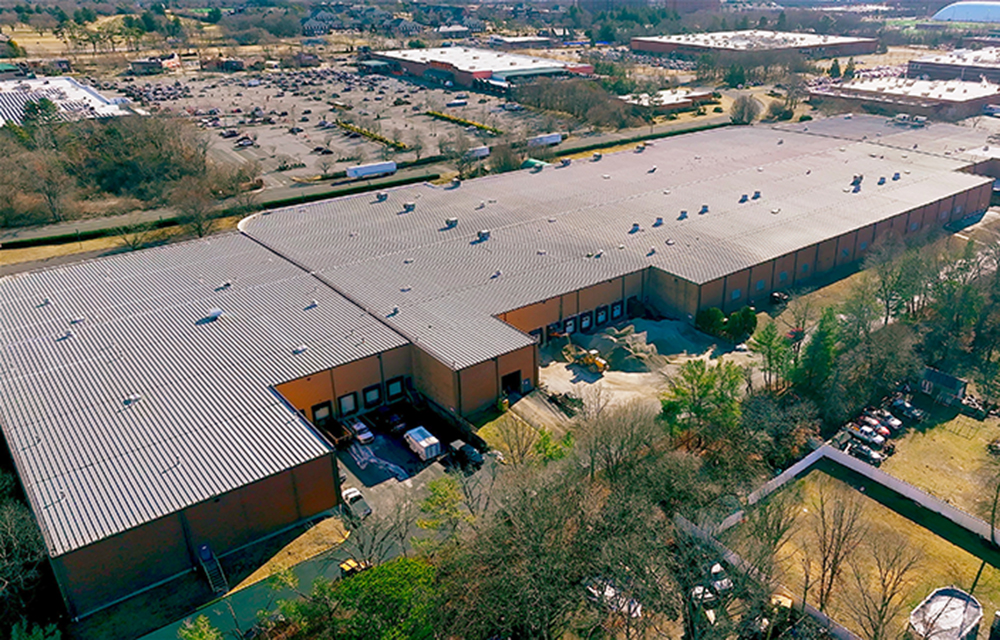
This spotlight showcases projects completed and currently under construction across Long Island as well as highlights improvements made to the region through Industrial and Economic Development Agencies and BIDs.


.png)

Quick Hits
 (2).gif)

Columns and Thought Leadership

CRE Guide Featured Company: Merritt Environmental Consulting Corp.
Merritt Environmental Consulting Corp. (MECC) was established in June of 2009 after being part of a larger engineering firm for almost 20 years. The focus of the company is to assist lending institutions, attorneys, real estate investors, and property owners with environmental concerns. Today, MECC has offices in New York, Florida, and Vermont and has grown into a regional consulting firm serving clients along the East Coast.

From vacancy to vitality: How adaptive reuse is reshaping Long Island’s CRE landscape - by Andrea Tsoukalas Curto
Adaptive reuse has become one of the most important conversations in commercial real estate today. Long Island has a large inventory of aging retail, office and industrial

Properly serving a lien law Section 59 Demand - by Bret McCabe
Many attorneys operating within the construction space are familiar with the provisions of New York Lien Law, which allow for the discharge of a Mechanic’s Lien in the event the lienor does not commence an action to enforce following the service of a “Section 59 Demand”.

2026 Developing Queens: Long Island Board of Realtors advances commercial growth and advocacy in Queens
The Long Island Board of Realtors (LIBOR) Commercial Network continues to play a key role in advancing opportunities and strengthening the commercial real estate landscape across Queens. Through targeted programming and global outreach