



News:
Spotlight Content
Posted: December 22, 2014
Christopher Capece, AvalonBay Communities, Inc.
What was the best thing that happened to you or your firm in 2014?
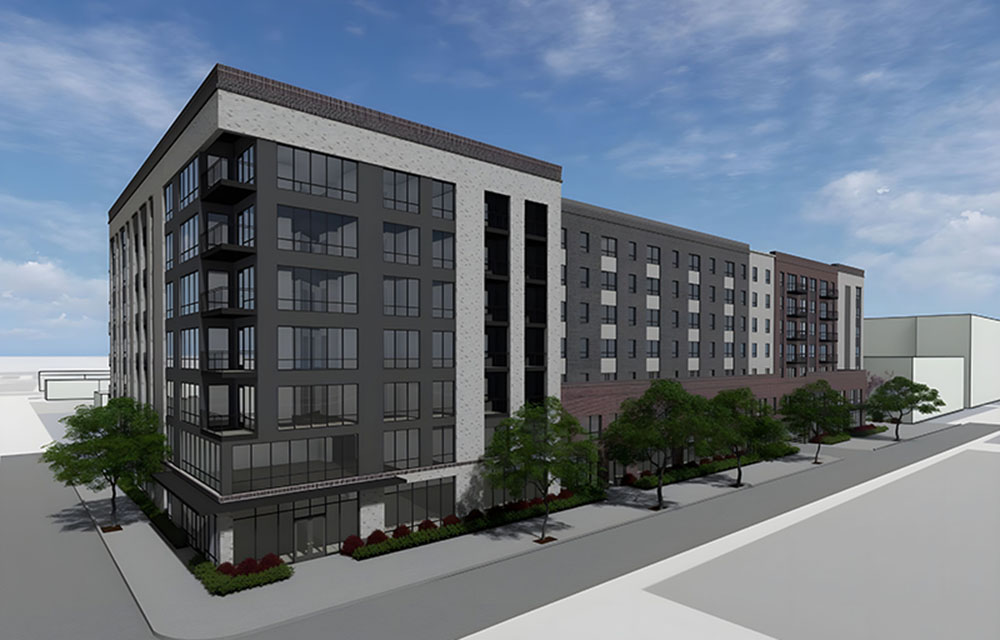
This year, AvalonBay completed lease-up of Avalon Huntington Station, a 303-unit luxury rental community in Suffolk County. This tops an unprecedented 10 year run of multifamily development on Long Island for AvalonBay. Overall development encompasses almost 2,000 units which started with Avalon Glen Cove and Glen Cove North, Avalon Pines, Avalon Charles Pond, Avalon Rockville Centre, and Avalon Garden City.
What was your most notable project, deal, transaction or personal achievement in 2014?
The most notable project this year was Avalon Huntington Station. This project included a high-profile entitlement process that ultimately ended in approval after initially being denied - a rare occurrence on Long Island. Avalon Huntington Station is a transit-oriented development located within walking distance of a LIRR station that boasts the 3rd highest ridership on Long Island.
This regionally significant project brought an investment of over $100M into Huntington Station to help revitalize an area that we believe has a bright future.
What are you looking forward to accomplishing in 2015?
We are looking forward to breaking ground at Avalon Great Neck, a 191-unit luxury rental community - AvalonBay's first rental community in the Great Neck Peninsula. The site, situated on Manhasset Bay, currently houses 2.5M gallons of petroleum storage capacity. We believe there is opportunity to reposition this site for higher and better use through Brownfield remediation. We will be working in tandem with the land seller, the Village of Great Neck, as well as the New York State DEC to clean up the parcel at no cost to taxpayers and reposition it for multi-family use.
What are some of your real estate predictions for 2015?
With the completion of high quality luxury communities such as Avalon Huntington Station and ground breaking at Avalon Great Neck, we are hopeful that myths associated with the quality of apartment communities on Long Island will continue to break down. As housing needs of Long Islanders evolve, there will be a continued necessity for multi-family housing on Long Island to provide options before and after the single family home.
Tags:
Spotlight Content
MORE FROM Spotlight Content

NYREJ's 2026 Developing Long Island Spotlight is here!
This spotlight showcases projects completed and currently under construction across Long Island as well as highlights improvements made to the region through Industrial and Economic Development Agencies and BIDs.


.png)

Quick Hits
 (2).gif)

Columns and Thought Leadership

Properly serving a lien law Section 59 Demand - by Bret McCabe
Many attorneys operating within the construction space are familiar with the provisions of New York Lien Law, which allow for the discharge of a Mechanic’s Lien in the event the lienor does not commence an action to enforce following the service of a “Section 59 Demand”.

From vacancy to vitality: How adaptive reuse is reshaping Long Island’s CRE landscape - by Andrea Tsoukalas Curto
Adaptive reuse has become one of the most important conversations in commercial real estate today. Long Island has a large inventory of aging retail, office and industrial

2026 Developing Queens: Long Island Board of Realtors advances commercial growth and advocacy in Queens
The Long Island Board of Realtors (LIBOR) Commercial Network continues to play a key role in advancing opportunities and strengthening the commercial real estate landscape across Queens. Through targeted programming and global outreach

CRE Guide Featured Company: Merritt Environmental Consulting Corp.
Merritt Environmental Consulting Corp. (MECC) was established in June of 2009 after being part of a larger engineering firm for almost 20 years. The focus of the company is to assist lending institutions, attorneys, real estate investors, and property owners with environmental concerns. Today, MECC has offices in New York, Florida, and Vermont and has grown into a regional consulting firm serving clients along the East Coast.