



News:
Spotlight Content
Posted: December 23, 2013
Allan Domb, Allan Domb Real Estate
What was your greatest professional accomplishment in 2013?
My greatest professional accomplishment in 2013 was tied to successes that we had under my Presidency of the Greater Philadelphia Association of REALTORS®. We played an integral role in implementing tax lien certificate sale legislation in Philadelphia to help collect delinquent real estate taxes and utility liens, evaluating 26 of the closed public schools to put the real estate to an income producing use, ongoing efforts to preserve and extend real estate tax abatements, and creating one land bank where the parcels of land owned by the City can be sold.
What was your most notable project, deal or transaction in 2013?
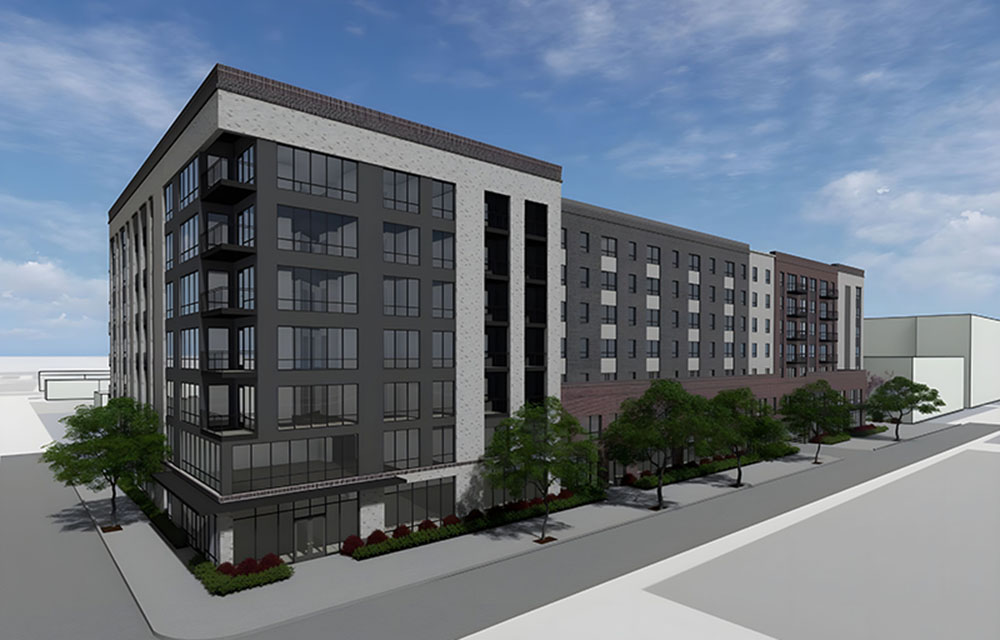
My most notable transaction in 2013 was the purchase of a building on the center of Rittenhouse Square called The Alison Building. The first three floors of the building are leased by Barnes & Noble and the top five floors were purchased vacant. I am in the process of developing this space into luxury residential rentals; there will be approximately 19 units with a combination of one, two and three bedroom homes as well as a full floor penthouse with private elevator access and a large private terrace. Residents of this property will be able to enjoy the same amenities as residents of the adjoining 10 Rittenhouse Square Condominium.
What are your predictions for commercial real estate in 2014?
All factors indicate that retail will continue to be strong in prime locations and that we may even see some overflow into secondary real estate due to retailer demand. It was recently reported that retail rents between Broad Street and 19th Street in Philadelphian increased the highest percentage nationally over the past year. I think that generally, the office market will strengthen in areas where there are the most financial incentives for businesses. More specifically in Center City Philadelphia, I hope that the amount of people living downtown will encourage companies to stay in or move to Center City. We may see a surplus of multifamily rental product over the next 18 months to two years, and that is providing no new product comes on the market.
What are your resolutions for 2014?
Manage my real estate portfolio in a more efficient manner to maximize rents and minimize vacancies and continue to upgrade the talent in my organization.
Tags:
Spotlight Content
MORE FROM Spotlight Content

NYREJ's 2026 Developing Long Island Spotlight is here!
This spotlight showcases projects completed and currently under construction across Long Island as well as highlights improvements made to the region through Industrial and Economic Development Agencies and BIDs.


.png)

Quick Hits
 (2).gif)

Columns and Thought Leadership

2026 Developing Queens: Long Island Board of Realtors advances commercial growth and advocacy in Queens
The Long Island Board of Realtors (LIBOR) Commercial Network continues to play a key role in advancing opportunities and strengthening the commercial real estate landscape across Queens. Through targeted programming and global outreach

CRE Guide Featured Company: Merritt Environmental Consulting Corp.
Merritt Environmental Consulting Corp. (MECC) was established in June of 2009 after being part of a larger engineering firm for almost 20 years. The focus of the company is to assist lending institutions, attorneys, real estate investors, and property owners with environmental concerns. Today, MECC has offices in New York, Florida, and Vermont and has grown into a regional consulting firm serving clients along the East Coast.

Properly serving a lien law Section 59 Demand - by Bret McCabe
Many attorneys operating within the construction space are familiar with the provisions of New York Lien Law, which allow for the discharge of a Mechanic’s Lien in the event the lienor does not commence an action to enforce following the service of a “Section 59 Demand”.

From vacancy to vitality: How adaptive reuse is reshaping Long Island’s CRE landscape - by Andrea Tsoukalas Curto
Adaptive reuse has become one of the most important conversations in commercial real estate today. Long Island has a large inventory of aging retail, office and industrial