


 (2).gif)
News:
Spotlight Content
Posted: March 26, 2024
2024 Women in Construction: Zoe Grossman Beinhorn, Bright Power, Inc.

Director of Sustainability Services
Bright Power, Inc.
“Zoe is a sustainable energy leader who has contributed to numerous green building projects throughout the city. Zoe has been with Bright Power since 2019 and leads many of our new construction projects. She holds LEED AP BC+C, MFBA, ENV SP credentials and is an ENERGY STAR Multifamily New Construction Rater.” - Melissa Allison, Director of Marketing & Revenue Operations at Bright Power, Inc.
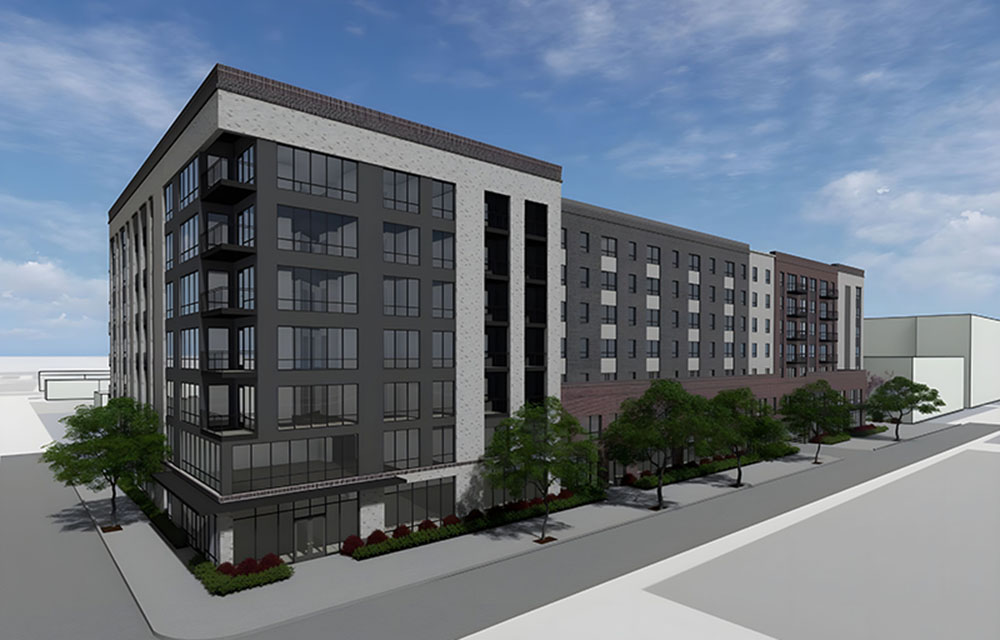
What recent project, accomplishment or award are you most proud of? The recent project I am most proud of is the 2050 Grand Concourse project. It’s a transformative LEED Platinum building aimed at revitalizing the Bronx community through sustainable, affordable housing solutions. This project is significant because it aligns with my values of social impact, sustainability and community development.
What do you like best about being a woman in the AEC industry? As the Director of Sustainability Services at Bright Power in NY, I appreciate the opportunity to drive positive change within the AEC industry by integrating sustainable practices into projects. I’m proud to hold a leadership position within a mostly male-dominated industry.
What is one of the most exciting developments or innovations impacting the AEC industry right now? One of the most exciting developments impacting the AEC industry right now is the increasing adoption of geothermal energy systems, particularly in urban areas like New York City. In NYC, where space is limited, integrating geothermal systems into building designs offers significant potential for reducing energy.
What is your favorite building in New York? I love the architecture and historical significance of the Domino Sugar Factory. It symbolizes the city’s rich industrial heritage and ongoing urban revitalization efforts. It’s a great example of how a substantial rehab can transform the built environment as this project spurred a park development, affordable housing and several hundred thousand feet of mixed-use development.
Tags:
Spotlight Content
MORE FROM Spotlight Content

The commercial classroom: Capital gains taxes - by Edward Smith
Generally, when you sell the home you live in and any commercial property you own, it may be subject to capital gains taxes. Always, before you take a listing, advise your client to speak to their accountant about



.png)

 (2).gif)

Columns and Thought Leadership

2026 Developing Long Island: ERG Commercial Real Estate launches its new Retail Leasing division
North Hempstead, NY ERG Retail Leasing is the dedicated leasing division of ERG Commercial Real Estate, an established full-service commercial real estate brokerage for over 35 years.

2026 Developing Queens: Long Island Board of Realtors advances commercial growth and advocacy in Queens
The Long Island Board of Realtors (LIBOR) Commercial Network continues to play a key role in advancing opportunities and strengthening the commercial real estate landscape across Queens. Through targeted programming and global outreach

From vacancy to vitality: How adaptive reuse is reshaping Long Island’s CRE landscape - by Andrea Tsoukalas Curto
Adaptive reuse has become one of the most important conversations in commercial real estate today. Long Island has a large inventory of aging retail, office and industrial

CRE Guide Featured Company: Merritt Environmental Consulting Corp.
Merritt Environmental Consulting Corp. (MECC) was established in June of 2009 after being part of a larger engineering firm for almost 20 years. The focus of the company is to assist lending institutions, attorneys, real estate investors, and property owners with environmental concerns. Today, MECC has offices in New York, Florida, and Vermont and has grown into a regional consulting firm serving clients along the East Coast.