


 (2).gif)
News:
Spotlight Content
Posted: December 23, 2025
2025 Year in Review: Lee Block, RTL
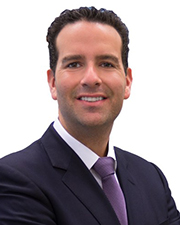
President
RTL
What transaction, project, or key moment best reflected the direction of the New York CRE market this year?
One moment that stood out for me this year was helping bring Laliko, a pioneering Georgian restaurant, to open in the West Village. Watching an emerging operator commit to the neighborhood, build out their vision, and execute their business plan flawlessly, ultimately earning Michelin’s Bib Gourmand distinction showed how much room there still is for new, fresh concepts to thrive in Manhattan. This showed the kind of food and beverage leasing momentum we’ve seen across the city and reinforced why I’m optimistic about where the market is heading.
What emerging trends or shifts will shape opportunities for you, your firm, or market sector in 2026?
The clearest shift we’re seeing is how carefully tenants are evaluating NYC neighborhoods and trying to understand what areas are up next. Brands want locations with staying power, and our conversations increasingly center on co-tenancy strength, neighborhood consistency, and long-term visibility. We’ve already seen that on the restaurant side with East 20th Street’s revamped “restaurant row,” and that same approach is already influencing deals in other hot shopping districts like Flatiron and Soho as we expect the same approach and increased activity into 2026.
MORE FROM Spotlight Content
Participate in Developing New York Featuring Westchester County - November 24, 2026
Choose how you’d like to participate in this edition of NYREJ’s Developing New York series featuring Westchester County.




.png)

Quick Hits
 (2).gif)

Columns and Thought Leadership

2026 Developing Queens: Long Island Board of Realtors advances commercial growth and advocacy in Queens
The Long Island Board of Realtors (LIBOR) Commercial Network continues to play a key role in advancing opportunities and strengthening the commercial real estate landscape across Queens. Through targeted programming and global outreach

2026 Developing Long Island: ERG Commercial Real Estate launches its new Retail Leasing division
North Hempstead, NY ERG Retail Leasing is the dedicated leasing division of ERG Commercial Real Estate, an established full-service commercial real estate brokerage for over 35 years.

CRE Guide Featured Company: Merritt Environmental Consulting Corp.
Merritt Environmental Consulting Corp. (MECC) was established in June of 2009 after being part of a larger engineering firm for almost 20 years. The focus of the company is to assist lending institutions, attorneys, real estate investors, and property owners with environmental concerns. Today, MECC has offices in New York, Florida, and Vermont and has grown into a regional consulting firm serving clients along the East Coast.

From vacancy to vitality: How adaptive reuse is reshaping Long Island’s CRE landscape - by Andrea Tsoukalas Curto
Adaptive reuse has become one of the most important conversations in commercial real estate today. Long Island has a large inventory of aging retail, office and industrial