


 (2).gif)
News:
Spotlight Content
Posted: August 26, 2025
2025 Women in CRE:
Carol Rizzo, Forchelli Deegan Terrana LLP
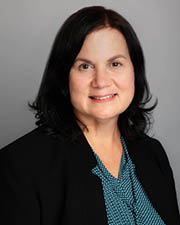
Partner
Forchelli Deegan Terrana LLP
What has been the most rewarding project or deal you’ve worked on in your career, and why?
With over three decades practicing tax assessment review law, I do not have just one rewarding case as I have saved taxpayers millions of dollars over the years. Every day I witness firsthand how assessments directly impact families and businesses, and I have the privilege of ensuring they get the tax relief they are entitled to. Most importantly, my work has allowed me to contribute to the integrity of the tax system itself. By holding government accountable to proper valuation standards and due process requirements, I have helped to ensure that the property tax burden is distributed fairly.
What skill or quality do you believe is essential for success in your field today?
Success in real property tax assessment review proceedings requires exceptional analytical skills to dissect complex valuations and identify assessment errors. Understanding the property at issue and mastering the law and appropriate appraisal methodology are crucial as cases hinge on technical valuation disputes. Strong communication skills are also vital for explaining intricate concepts to opposing counsel, judges and clients and are key in negotiating fair settlements. Finally, staying current on local market conditions and research technology all make for an effective advocate.
Carol Rizzo is a partner in Forchelli Deegan Terrana LLP’s Tax Certiorari practice group.
Since 1995, Rizzo, Esq. was a prominent attorney in the field of real property tax assessment litigation at Koeppel Martone & Leistman, L.L.C., where she successfully handled assessment challenges for an array of property types.
Prior to her tenure at Koeppel, Rizzo was an assistant town attorney for the town of Islip, where she counseled and defended all phases of the assessment process. Rizzo also represented the town in land use and zoning litigation.
Tags:
Spotlight Content
MORE FROM Spotlight Content

NYREJ's 2026 Developing Long Island Spotlight is here!
This spotlight showcases projects completed and currently under construction across Long Island as well as highlights improvements made to the region through Industrial and Economic Development Agencies and BIDs.




.png)



Columns and Thought Leadership

From vacancy to vitality: How adaptive reuse is reshaping Long Island’s CRE landscape - by Andrea Tsoukalas Curto
Adaptive reuse has become one of the most important conversations in commercial real estate today. Long Island has a large inventory of aging retail, office and industrial

Properly serving a lien law Section 59 Demand - by Bret McCabe
Many attorneys operating within the construction space are familiar with the provisions of New York Lien Law, which allow for the discharge of a Mechanic’s Lien in the event the lienor does not commence an action to enforce following the service of a “Section 59 Demand”.

2026 Developing Queens: Long Island Board of Realtors advances commercial growth and advocacy in Queens
The Long Island Board of Realtors (LIBOR) Commercial Network continues to play a key role in advancing opportunities and strengthening the commercial real estate landscape across Queens. Through targeted programming and global outreach

CRE Guide Featured Company: Merritt Environmental Consulting Corp.
Merritt Environmental Consulting Corp. (MECC) was established in June of 2009 after being part of a larger engineering firm for almost 20 years. The focus of the company is to assist lending institutions, attorneys, real estate investors, and property owners with environmental concerns. Today, MECC has offices in New York, Florida, and Vermont and has grown into a regional consulting firm serving clients along the East Coast.