


 (2).gif)
News:
Spotlight Content
Posted: October 28, 2025
2025-Innovators in Commercial Real Estate-Jelanie DeShong of Kasirer
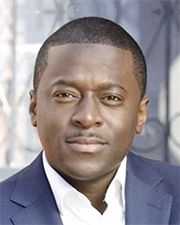
Vice President of Real Estate
Kasirer
Beyond Buildings: How do you see innovation in commercial real estate creating a broader impact on communities and the people who live and work in them? Innovation in CRE extends beyond the physical structures we see rising across the skyline. It’s about shaping communities and improving lives. When done right, development becomes a catalyst to address issues like housing, healthcare, and economic opportunity. The most forward-thinking projects create not only places where people live and work, but ecosystems that foster connection, access to essential resources, and long-term vitality.
Innovative Outlook: Where do you see the biggest opportunities for innovation in the commercial real estate sector? True innovation means creating developments that have a meaningful impact on clients’ bottom lines but more importantly that deliver sustainable, resilient and equitable spaces. The sense of “place” that successful developments create is key in building vibrant communities. Developers today should embrace sustainable design, public-private partnerships, and thoughtful use of spaces that reflect the local identity.
Corporate Culture: How does your organization foster a culture of innovation among employees and leadership? At Kasirer, we promote innovation through collaboration and empowerment. In my leadership role, I encourage the team to draw on their diverse experiences and connections to shape client strategies. Even though I’m on the real estate team, I often work with nonprofit and corporate clients at the state and local levels, designing creative, equitable solutions that marry client success with lasting community benefit.
Tags:
Spotlight Content
MORE FROM Spotlight Content

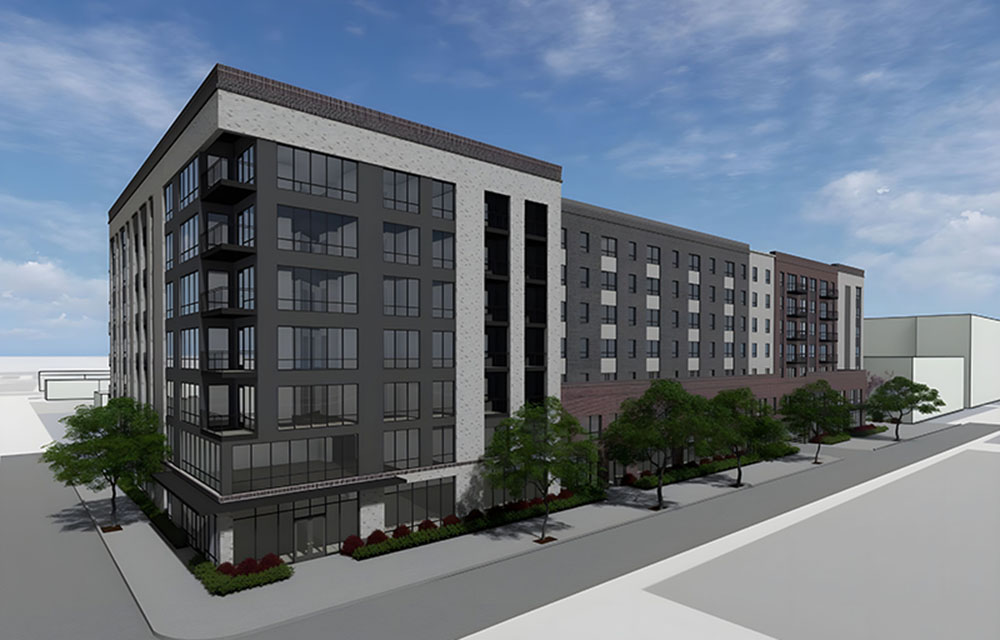
NYREJ's 2026 Developing Long Island Spotlight is here!
This spotlight showcases projects completed and currently under construction across Long Island as well as highlights improvements made to the region through Industrial and Economic Development Agencies and BIDs.


.png)



Columns and Thought Leadership

Properly serving a lien law Section 59 Demand - by Bret McCabe
Many attorneys operating within the construction space are familiar with the provisions of New York Lien Law, which allow for the discharge of a Mechanic’s Lien in the event the lienor does not commence an action to enforce following the service of a “Section 59 Demand”.

CRE Guide Featured Company: Merritt Environmental Consulting Corp.
Merritt Environmental Consulting Corp. (MECC) was established in June of 2009 after being part of a larger engineering firm for almost 20 years. The focus of the company is to assist lending institutions, attorneys, real estate investors, and property owners with environmental concerns. Today, MECC has offices in New York, Florida, and Vermont and has grown into a regional consulting firm serving clients along the East Coast.

2026 Developing Queens: Long Island Board of Realtors advances commercial growth and advocacy in Queens
The Long Island Board of Realtors (LIBOR) Commercial Network continues to play a key role in advancing opportunities and strengthening the commercial real estate landscape across Queens. Through targeted programming and global outreach

From vacancy to vitality: How adaptive reuse is reshaping Long Island’s CRE landscape - by Andrea Tsoukalas Curto
Adaptive reuse has become one of the most important conversations in commercial real estate today. Long Island has a large inventory of aging retail, office and industrial