



News:
Spotlight Content
Posted: October 28, 2025
2025-Innovators in Commercial Real Estate-Andrew Steiker-Epstein of Charney Companies

Chief Data Officer & Brokerage President
Charney Companies
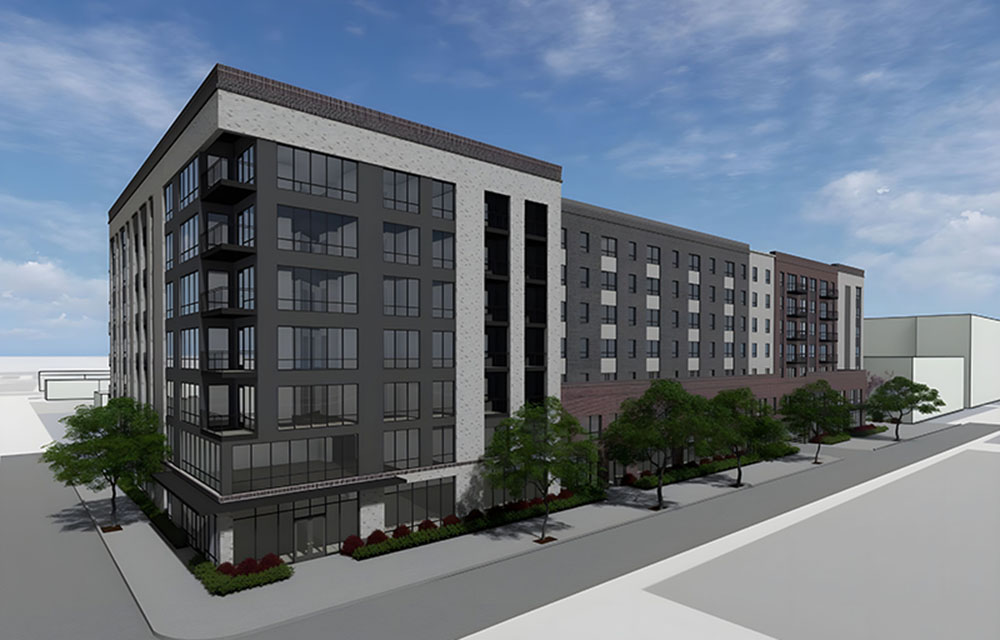
Impact Highlight: Describe a recent program, initiative, or process implemented by you and the impact on your firm, organization, or community. In 2025, I led the integration of Venn, a community engagement experience platform into Charney’s Union Channel building, treating it as part of a neighborhood, not just a lease-up. With 98% app adoption and 85% weekly engagement, we built real community through events, partnerships, and programming. Paired with Zuma, an AI leasing agent, Union Channel leased in under six months, outperformed comps, and set a new model for our 3,000 unit pipeline.
Innovative Outlook: Where do you see the biggest opportunities for innovation in the commercial real estate sector? The biggest innovation opportunity in real estate is using data for personalization. The real estate industry has lagged behind in understanding who lives in our buildings. Tools like Venn and Bilt Rewards help track behavior and preferences to create tailored experiences. This drives smarter design, retention, and new revenue. The future isn’t just more units — it’s better feedback loops that turn data into real, personalized action.
Corporate Culture: How does your organization foster a culture of innovation among employees and leadership? At Charney, innovation isn’t top-down — it’s built into how we operate. I foster it by giving our team space to test ideas, fail fast, and scale what works, without layers of approval. Leadership supports this by investing in new thinking, from tech to community models like UrbanMix. Innovation isn’t a side project — it’s embedded in our culture of trust, autonomy, and experimentation.
Beyond Buildings: How do you see innovation in commercial real estate creating a broader impact on communities and the people who live and work in them? The real opportunity in real estate is building the connective tissue around spaces. At Union Channel, layering in tech, community programs, and local partnerships turned a building into a platform for connection. Residents felt true belonging, which boosted quality of life and neighborhood fabric. At Charney, this mindset now guides our development — creating buildings that engage with and uplift the city.
Tags:
Spotlight Content
MORE FROM Spotlight Content

NYREJ's 2026 Developing Long Island Spotlight is here!
This spotlight showcases projects completed and currently under construction across Long Island as well as highlights improvements made to the region through Industrial and Economic Development Agencies and BIDs.


.png)

Quick Hits
 (2).gif)

Columns and Thought Leadership

From vacancy to vitality: How adaptive reuse is reshaping Long Island’s CRE landscape - by Andrea Tsoukalas Curto
Adaptive reuse has become one of the most important conversations in commercial real estate today. Long Island has a large inventory of aging retail, office and industrial

CRE Guide Featured Company: Merritt Environmental Consulting Corp.
Merritt Environmental Consulting Corp. (MECC) was established in June of 2009 after being part of a larger engineering firm for almost 20 years. The focus of the company is to assist lending institutions, attorneys, real estate investors, and property owners with environmental concerns. Today, MECC has offices in New York, Florida, and Vermont and has grown into a regional consulting firm serving clients along the East Coast.

Properly serving a lien law Section 59 Demand - by Bret McCabe
Many attorneys operating within the construction space are familiar with the provisions of New York Lien Law, which allow for the discharge of a Mechanic’s Lien in the event the lienor does not commence an action to enforce following the service of a “Section 59 Demand”.

2026 Developing Queens: Long Island Board of Realtors advances commercial growth and advocacy in Queens
The Long Island Board of Realtors (LIBOR) Commercial Network continues to play a key role in advancing opportunities and strengthening the commercial real estate landscape across Queens. Through targeted programming and global outreach